Syndigo Vs Semarchy – A Comparative Analysis

In today’s fast-paced and competitive business landscape, effective product data management has become more crucial than ever. As businesses strive to meet the evolving demands of customers and stay ahead of the competition, having accurate, consistent, and up-to-date product information is a game-changer.

Product data management encompasses the processes, systems, and strategies employed to collect, organize, enrich, and distribute product information across various channels. It plays a pivotal role in ensuring that customers receive accurate and compelling information about products, whether they are browsing an online store, comparing options on a mobile app, or engaging with a brand through other digital touchpoints.

When it comes to choosing a reliable and feature-rich Product Information Management (PIM) solution, Semarchy and Syndigo platform have emerged as leading players in the industry. These platforms offer robust capabilities to centralize, manage, and optimize product data, empowering businesses to enhance customer experiences, drive sales, and improve operational efficiency.

What is Syndigo

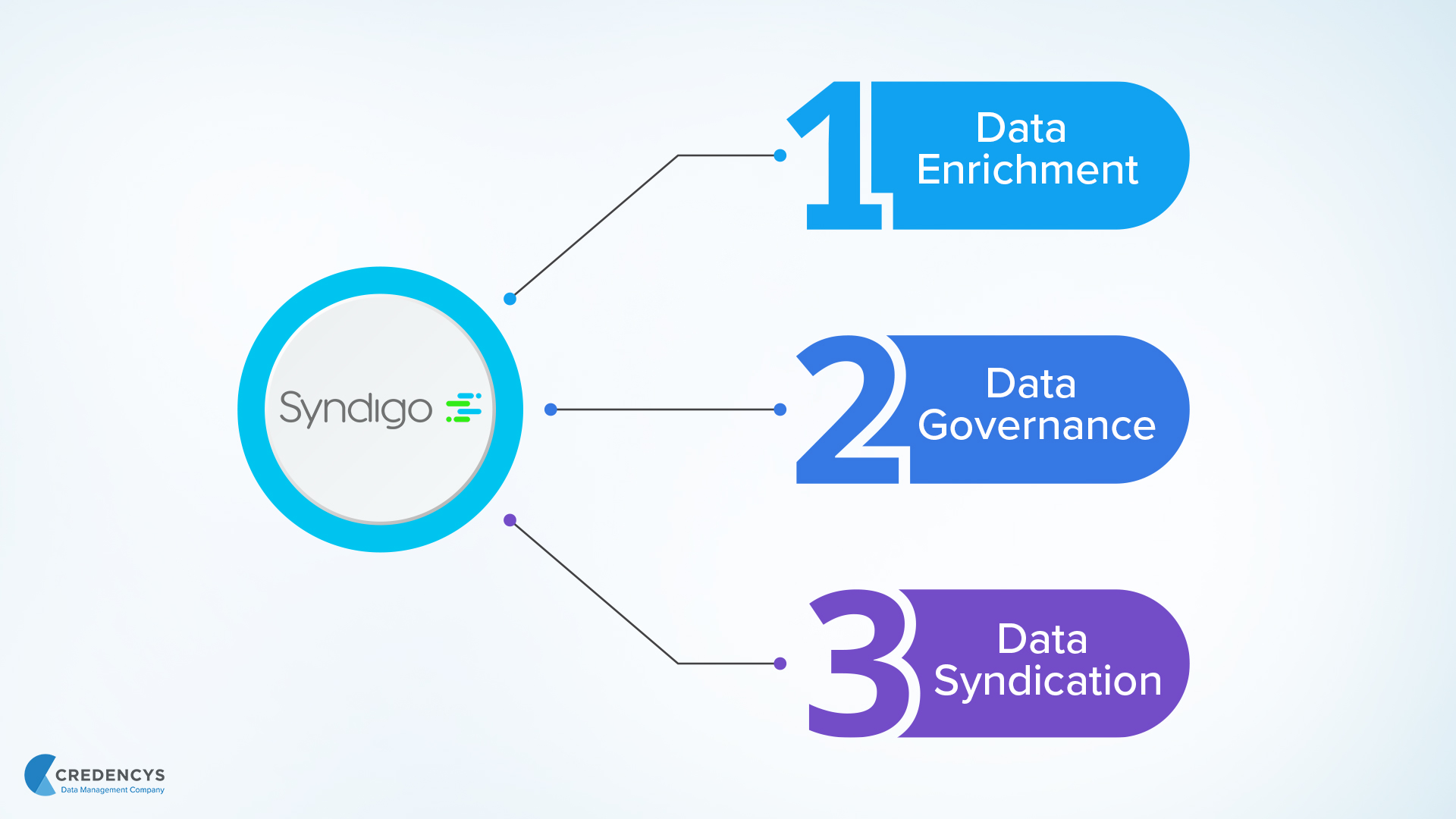
Syndigo, a renowned PIM software, offers a comprehensive suite of tools for managing product data across the entire product lifecycle. From data managing and data syndication, Syndigo equips businesses with the necessary features to excel in the dynamic eCommerce landscape.

Its user-friendly interface and scalability make it a popular choice for businesses of all sizes, from small startups to enterprise-level organizations.

What is Syndigo – A Comprehensive Guide

What is Semarchy

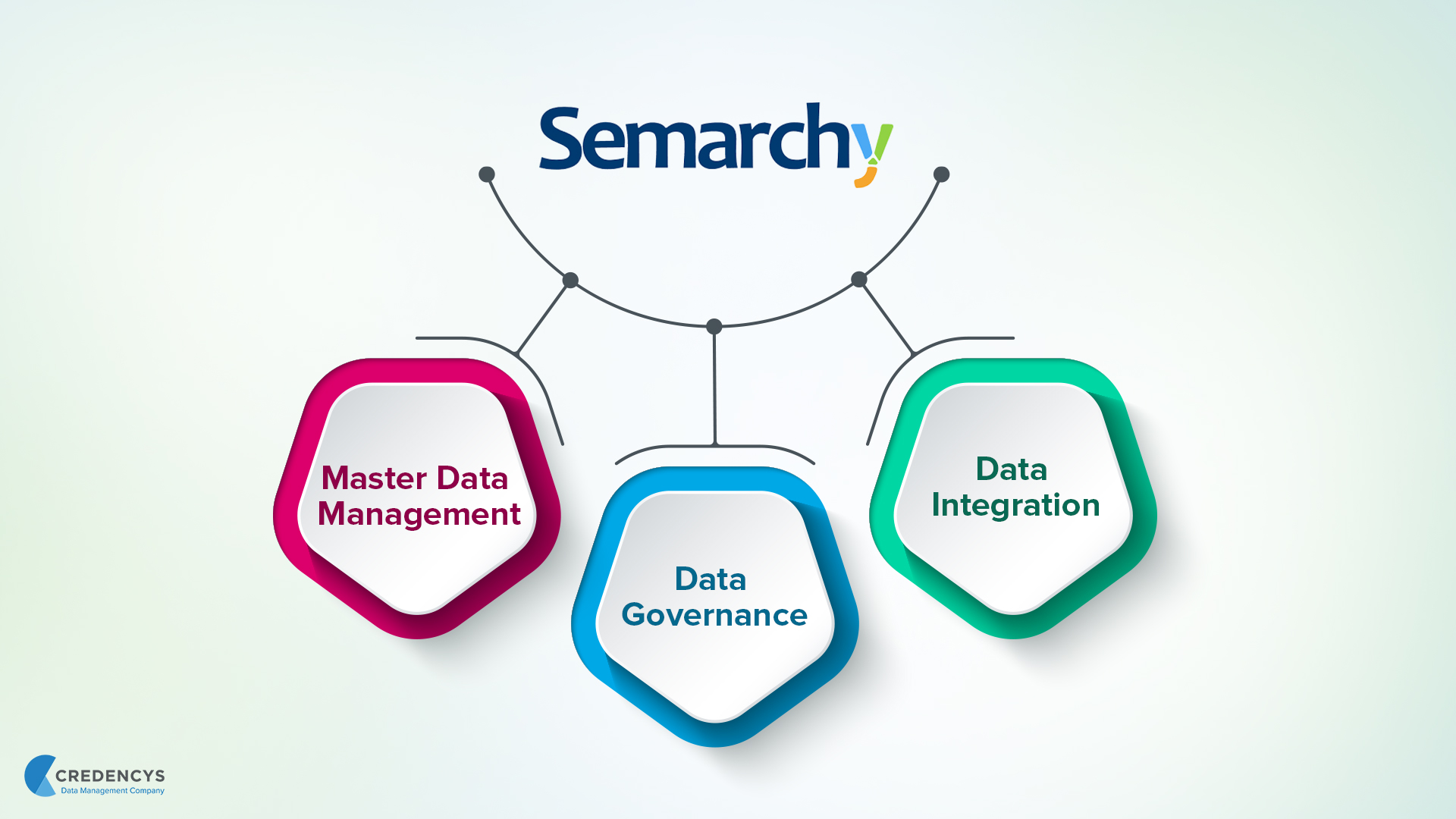
Semarchy, another leading unified data management platform in the PIM space, specializes in master data management (xDM), data governance, and data integration (xDI). With Semarchy’s master data management capabilities, it enables businesses to maintain high-quality, trusted product data across multiple domains.

It helps organizations ensure data consistency, compliance, and accuracy, making it an ideal choice for industries that demand stringent data governance, such as healthcare, finance, and manufacturing.

What is Semarchy – An Exclusive Overview of Semarchy Platform

Significance of Choosing the Right PIM Solution for Efficient Data Management

Choosing the right PIM solution is a critical decision that can significantly impact a business’s efficiency and success. It is important to carefully evaluate the features, functionalities, and industry-specific advantages of each platform to ensure the chosen solution aligns with the unique requirements and objectives of the business.

By selecting a suitable PIM solution, businesses can streamline their product data management processes, reduce errors, eliminate data silos, and ultimately deliver exceptional customer experiences. In the following sections, we will delve deeper into Syndigo and Semarchy, exploring their key features, use cases, integration capabilities, scalability, and future growth prospects.

This comparative analysis aims to provide businesses with the insights needed to make an informed decision and embark on a successful journey towards efficient product data management.

Understanding Syndigo

Syndigo is a leading PIM solution that empowers businesses to streamline and optimize their product data management processes. With its comprehensive set of features and capabilities, Syndigo offers a powerful toolkit for businesses to effectively manage their product data and enhance their overall operations.

Features & Capabilities of Syndigo PIM Solution

One of Syndigo’s notable strengths lies in its ability to handle data enrichment. The platform provides robust tools and functionalities to enrich product data with essential information, such as detailed descriptions, specifications, attributes, and categorizations.

By ensuring accurate and comprehensive product information, Syndigo enables businesses to deliver consistent and compelling content to customers across various channels, resulting in improved customer experiences and increased sales.

Data governance is another area where Syndigo shines. The platform offers advanced capabilities to manage and organize digital assets, including images, videos, and other media files associated with products.

Businesses can leverage Syndigo’s tools to efficiently store, categorize, and distribute digital assets, ensuring that the right visuals are showcased to customers, further enhancing product engagement, and driving conversions.

Syndigo also excels in data syndication, enabling businesses to seamlessly distribute product information to a wide range of channels and platforms. With Syndigo, businesses can efficiently syndicate their enriched product data to eCommerce marketplaces, retailers, distributors, and other partners.

This streamlined syndication process saves time and effort, ensuring that accurate and up-to-date product information reaches customers through their preferred touchpoints.

Syndigo_modules

Unique Functionalities/Industry-Specific Advantages Syndigo Brings to the Table

Syndigo also offers unique functionalities and industry-specific advantages that cater to specific business needs. It provides industry-specific templates, schemes of classification, and guidelines to ensure compliance with industry standards and regulations.

Syndigo understands that different industries have distinct requirements, and its platform offers tailored features for sectors such as CPG (Consumer Packaged Goods), automotive, fashion, and more.

Comprehending Semarchy

Semarchy is a powerful PIM solution that excels in master data management (xDM), data integration (xDI), and data governance. With its robust features and capabilities, Semarchy’s architecture empowers businesses to achieve accurate, reliable, and consistent data management across their organizations.

Core Features & Functionalities of Semarchy as a PIM Solution

At the core of Semarchy lies its data management & governance functionality. It has comprehensive Semarchy MDM tools and processes to establish data management & governance frameworks, enforce data policies, and ensure data quality.

By implementing strong data governance practices, businesses can maintain data consistency, integrity, and compliance with industry regulations, resulting in enhanced trustworthiness of their product data.

Data integration is another strength of Semarchy. The platform offers advanced data profiling, cleansing, and validation features, allowing businesses to identify and rectify data inconsistencies, errors, and redundancies.

Through data cleansing and enrichment, Semarchy enables businesses to achieve high-quality product data, which is crucial for accurate reporting, decision-making, and customer experiences. Semarchy’s master data management (MDM) capabilities enable businesses to consolidate and manage their critical master data, such as product attributes, hierarchies, and relationships.

By centralizing data integration within Semarchy, businesses can establish a single source of truth, ensuring consistent and reliable product information across their organization. This unified view of data supports improved collaboration, data governance, and data-driven decision-making.

Semarchy_modules

Distinctive Features/Industry-Specific Benefits Semarchy Offers

Semarchy offers distinctive features and industry-specific benefits that cater to the unique requirements of different businesses. The platform provides customizable workflows and data models to accommodate specific industry needs and complexities.

It supports industry standards and frameworks, ensuring compliance and seamless integration with existing systems and data sources. Semarchy’s flexibility and adaptability make it suitable for a wide range of industries, including healthcare, financial services, manufacturing, and more.

Key Differences – Syndigo Vs Semarchy

Features/Functionality & Industry Use-Cases

When considering Syndigo and Semarchy as potential PIM solutions, it is important to understand their key differences in terms of features and target industries. Each platform offers distinct strengths and functionalities that cater to specific business requirements.

Let’s explore these differences and highlight scenarios where one platform may be more suitable than the other.


Key AspectsSyndigoSemarchy

Features

Syndigo primarily excels in managing product data enrichment, digital asset management, and data syndication. Syndigo’s feature-rich platform enables businesses to effectively enrich product data, manage digital assets, and efficiently distribute information to various channels, including eCommerce marketplaces and retailers.

This makes Syndigo a preferred option for companies focused on enhancing product experiences, optimizing sales, and expanding their digital presence.

Semarchy specializes in data governance, data quality management, and master data management. It is well-suited for businesses across industries that prioritize data accuracy, compliance, and unified master data management. Semarchy’s robust data governance features enable businesses to establish data policies, ensure regulatory compliance, and maintain high data quality standards.

Industry Cases

It is an ideal choice for businesses operating in the eCommerce space, retail, and consumer packaged goods (CPG) industries.

Industries such as healthcare, finance, manufacturing, and others that require strong data governance and master data management benefit greatly from Semarchy’s capabilities.


Verdict: Syndigo and Semarchy offer distinct features, use cases, and target industries. Syndigo excels in product data enrichment, digital asset management, and syndication, making it suitable for eCommerce and retail industries.

Semarchy specializes in data governance, data quality management, and master data management, catering to industries with high compliance and data accuracy needs. By analyzing specific business requirements and considering successful use cases, businesses can make an informed decision on whether Syndigo or Semarchy is the right choice for their unique data management needs.

Integrations & Customization

When evaluating Semarchy and Syndigo PIM solutions, it is important to consider their ease of integration with existing systems and the level of flexibility and customization they offer. Seamless integration with eCommerce platforms, CRMs, ERP systems, and other software solutions is crucial for efficient data management.

Let’s explore how Syndigo and Semarchy address these integration and customization aspects.


Key AspectsSyndigoSemarchy

Integrations

This integration allows businesses to sync product data between Syndigo and their eCommerce stores, ensuring consistency and accuracy across channels. Additionally, Syndigo offers integration capabilities with CRM systems, ERP solutions, and other third-party applications, facilitating seamless data exchange and enhancing overall operational efficiency.

Semarchy also places emphasis on integration capabilities, recognizing the need for seamless connectivity between systems. The platform offers connectors, APIs, and web services that facilitate integration with a wide range of systems, including popular eCommerce platforms, CRMs, ERPs, and more.

By leveraging these integration options, businesses can synchronize product data between Semarchy and their existing systems, enabling a unified view of data across the organization.

Customizations

Syndigo provides businesses with the flexibility to adapt the platform to their unique needs. Its user-friendly interface and intuitive workflows make it easy for users to configure the platform according to their specific requirements.

Businesses can customize data fields, attribute mappings, validation rules, and workflows to align with their product data management processes. This level of customization ensures that Syndigo can accommodate diverse business models and workflows, making it a versatile solution for businesses of all sizes.

Semarchy provides a high degree of flexibility to tailor the platform to specific business requirements. Its data model and workflow configuration capabilities allow businesses to define custom data structures, hierarchies, and relationships.

Semarchy also offers rule-based workflows and business process orchestration, enabling businesses to automate data management processes and enforce data governance policies. This level of customization ensures that Semarchy can adapt to the unique needs of different industries and organizations.


Verdict: Both Syndigo and Semarchy offer integration capabilities with various systems, including eCommerce platforms, CRMs, and ERPs. They provide flexibility and customization options to adapt to unique business needs, allowing businesses to configure the platforms according to their specific data management processes.

With available connectors, APIs, and customization features, Syndigo and Semarchy empower businesses to seamlessly integrate and customize their PIM solutions, enabling efficient data management and enhancing overall operational effectiveness.

Scalability, Multichannel Selling, & Globalization

When considering Semarchy and Syndigo PIM solutions, it is important to assess their scalability in handling growing data volumes and expanding product catalogs. Additionally, their capabilities in supporting multichannel selling, internationalization, and globalization play a crucial role in accommodating businesses’ future growth.

Let’s delve into these aspects and gain insights into the platforms’ commitment to continuous innovation.


Key AspectsSyndigoSemarchy

Scalability

Syndigo’s robust infrastructure and cloud-based architecture allow businesses to handle large volumes of product data without compromising performance. As businesses grow and their product catalogs expand, Syndigo can efficiently manage the increased data load, ensuring smooth operations and reliable data management.

This scalability ensures that businesses can seamlessly scale their operations and accommodate future growth.

Semarchy also showcases scalability in handling expanding data volumes. The platform’s architecture is designed to handle large datasets and accommodate the complexities of master data management.

As businesses add more products to their catalogs or expand their operations globally, Semarchy can scale accordingly, providing the necessary resources and performance to manage increased data requirements.

Multichannel Selling

Syndigo’s data syndication features enable businesses to seamlessly distribute product data to multiple eCommerce marketplaces, retailers, and partners. This multichannel support allows businesses to expand their online presence and reach a wider customer base.

Similarly, Semarchy provides the flexibility to manage product data for different channels, enabling businesses to optimize their multichannel selling strategies and adapt to evolving customer preferences.

Globalization

Syndigo’s platform supports localization by enabling businesses to manage multilingual product information, adapt to regional requirements, and handle diverse currencies and units of measure. This internationalization support empowers businesses to expand into new markets and effectively engage with customers worldwide.

Semarchy also provides capabilities for global data management, allowing businesses to handle multilingual and localized data, support regional compliance requirements, and maintain consistency across international operations.


Verdict: Syndigo and Semarchy demonstrate scalability in handling growing data volumes and expanding product catalogs. They support multichannel selling, internationalization, and globalization, enabling businesses to reach customers through various channels and expand into new markets.

With their commitment to continuous innovation and future enhancements, Syndigo and Semarchy ensure that businesses can embrace growth opportunities and stay competitive in an ever-evolving digital landscape.

Over to You

We have explored the features, strengths, and capabilities of Syndigo Vs Semarchy as leading players in the PIM space. However, it is crucial for businesses to carefully evaluate their needs and objectives when choosing between Syndigo and Semarchy.

Understanding specific business requirements and considering successful use cases will help in making an informed decision.

Credencys – A Trusted Implementation Partner

As a trusted implementation partner, Credencys is here to provide personalized guidance and support in selecting and implementing the ideal PIM solution. We understand the complexities of data management and can help businesses navigate through the decision-making process.

Reach out to us today for expert assistance tailored to your business needs. Selecting the right PIM solution is a critical step in optimizing data management, streamlining processes, and driving business growth.

Syndigo and Semarchy offer powerful capabilities to transform your data management practices, and with Credencys by your side, you can confidently embark on your PIM journey. Contact Credencys now and unlock the potential of Syndigo or Semarchy for your business’s success.

15 Master Data Management Best Practices to Follow for MDM Success

Are you making your business decisions based on your experience?

If your answer is yes, then it’s really commendable.

But, are you sure it generates the best results for your organization? Of course, there won’t be any guarantee.

Data is the key element for every organization in this highly competitive era. It enables you with a lot of information about customers, maker trends, products, competitors, etc., and helps you make the right decisions.

When you collect the data from different channels, you receive it in a scattered form. You need to convert it into a structured way to get insights into the different aspects of your business.

Master Data Management (MDM) solution helps you in collecting and managing massive data in a well-structured way. Successful implementation of MDM provides you with consistent, trusted, controlled, and accurate master data. It aggregates your data, standardizes it, and matches the values to provide you with a consolidated view of different business entities.

Well, to manage the massive data of your organization, you have to adopt the best Mater Data Management practices. It helps you to run the business efficiently. Here are the best MDM practices that you should consider for quality data management.

15 Master Data Management Best Practices to Follow for MDM Success

1. Collect maximum information

The more data you can collect, the better insights you get, and the more effective decisions you can make to drive success for your business. You might be doing your best to collect the data from different channels and platforms but it’s not enough.

Keep exploring new ways that help you in getting more valuable data about your customers and competitors. With more information, you can drive more business opportunities.

All you need to do is, perform a quick analysis of how you are collecting information right now for your organization and how you can improve the data collection process to get better results.

Once you get clarity about the gaps in your existing data collection process, you can implement new strategies to collect more valuable and reliable data.

2. Consider Multi-domain Master Data

A good master type is used to solve any business problem. There are several master data types or domains on one platform which means holistic insights and very good business outcomes.

Today, different businesses silo their customers and also product master data. They let alone their supply chain, location, asset, and employee data.

They bring the complete data sources like transaction data or product data into their master data management letting them find the hidden connections of their business. Every user of the master data management best practices will get the desired benefits and develop their business further.

You can make across functions with more connections when you use a few master data silos. These functions can power real-time operations at scale. An excellent multi-domain is designed to bring together customer, supplier, product, and employee master data, and location, and let the business see the return on investment on a single customer segment of a complete marketing campaign especially in the region and shift the financial plan accordingly.

This is worthwhile to use the current supplier networks for direct-to-customer or omnichannel fulfillment. You can create linked and hyper-customized experiences for customers across the channels especially human interactions or digital interactions. You can combine various types of master data which goes far beyond the internal data sets. You have to properly use the data to win in the market.

3. Data governance is an integral part, Don’t Ignore It

The main parts of master data management are data quality and data governance. In order to be an excellent data governance framework, it must include several aspects like guardrails and a perfect workflow for cross-checking the data accuracy and redundancy. It successfully matches new data entering the system with the best current records.

An advanced master data management platform automates the majority of this work using artificial intelligence and machine learning. This lets users leverage the advantageous things associated with the master data management devoid of additional work required for ensuring its quality.

You can research and double-check everything about the Master Data Management best practices in detail and make an informed decision to reap benefits from these practices. Regular and outstanding updates of the master data management practices give you an array of benefits beyond doubt.

Data governance includes, but is not limited to the data stewards. Data stewards are vital to establishing absolute rules to ensure the master data is quality and accurate.

Business users use this data. Your master data management system must be easy and intuitive for a business user for immediate adoption. The latest Master Data Management platforms using artificial intelligence can be properly used by business users or data stewardship to train the overall matching models and enhance the accuracy of the data quality over time.

4. Check out for the data quality

More is not always reliable. When you receive a massive amount of information, you have to validate it by implementing a set of quality assurance processes.

Not every piece of data, that you receive, is valuable. Though the user enters the information by themselves, they also provide the wrong details. Thus, to get a more reliable view, it is essential to check the quality of the collected data.

Quality assurance doesn’t verify each and every piece of data for you. It just enables you with an audit system that checks the data at random periodically.

5. Build MDM that Meets Your Business Objectives

The IT department does not solely get involved in the process of creating the overall structure and reference data for the master data management. As a business owner, you should be well aware of the business objectives, how to handle business-critical data wisely and communicate your business goals to the MDM team.

You can start with KPIs, quarterly goals, financial plans, five-year plans, and other things to align the MDM with the business. You have to identify the metrics which make known the development and blank spots in the analytics and work backward. Connected, clean, and consistent master data have the best impact.

You have to consider and double-check everything about the customer master data management best practices and make an informed decision to reap benefits from it. Experts in the business sector start with the end goal in their mind and keep their master data management in the business context to make certain that they continuously re-examine it and evolve it further with the business.

This is worthwhile to know whether your MDM improves the customer experiences, boosts the conversion rates & revenues, helps you segment customers & identify customers fast across channels, reduces issue resolution times, enhances the efficiency of processes, accelerates the reporting for compliance, and detects fraud or revenue leakage.

6. Build a scalable and Easy to Use MDM Solution

The most recommended MDM practices reveal that business people start small with one subset of data and organize these data clearly to gain early wins. They get remarkable benefits from this tried-and-tested method in business. However, this method might make complications or fail when the master data management is not built to scale.

Traditional master data management systems are built as a monolith and include trouble scaling. An advanced master data management system is built on a scalable architecture to assist a phased method or let agility respond to altering the market conditions. You can scale the master data management using the option to add the maximum data attributes on the fly to bring in the maximum data which is the best practice option.

Every user of the latest product master data management best practices gets 100% satisfaction. They know and remember that the data model changes over time. They use a flexible data model which lets them alter quickly and include new elements as per requirements. Do not forget that demographic data is not enough for complete segmentation.

The business in any category needs to add psychographic data to the customer profiles or indicate whether the customers are frontline workers or healthcare professionals to offer a special pricing plan.

7. Implement a common metadata layer

The development and integration of a common metadata layer allow you to share information across your analytical and management platforms. It lets you drive more efficiency in every aspect of your application and data-gathering process.

The metadata layer helps you learn market trends before you launch your brand-new products and understand how well your social media campaign performed. The layer streamlines most of your data-gathering processes and provides you with meaningful data that is easy to understand and use.

8. Set Up a Single Data Management Foundation for Your Master Data

Many business users have access to a single view of the master data. They get consistent and real-time information and insights as expected. Though, you feed the updated data into various business systems and analytic applications with the aid of a siloed MDM system yet the data might not get updated in real-time. To overcome this problem, you have to follow the latest master data management practices and get the desired benefits.

Every supplier master data management best practice is dedicated to providing prompt assistance and professional services to every customer. You require a single data management foundation to be agile and achieve the quick time to value while responding to the overall changes in the business.

The first-class graph technology captures the complete relationships and provides fast searches. Every business focuses on the transformation of the customer experience, the skill to leverage the relationships, and connections in data to make operational decisions and power them very important.

Graph technology successfully captures relationships and gives fast searches. Every business focuses on the successful transformation of the customer experience, the chance to leverage the associations and connections in data to make operational decisions and power them. Advanced practices integrate data into each business element and which brings the next best business practice.

9. Organize your data in a meaningful way

From the unstructured data, you won’t be able to drive any insight. So it is very essential to organize your information in a structured way. Simplify your data storage and retrieval process so you can find the information you are looking for without digging through files and files.

It especially helps your data analytics team which is constantly analyzing the data as they need to invest a lot of time in finding the information they require. Make sure all your business information has a place and users can access the needed data seamlessly to achieve their objectives.

10. Master Data Should be accessed by Different Teams

Businesses around the globe are keen to make data-driven decisions for their business growth. Business people produce and consume data. They have to be dependent on IT for data. They want their business to be data-driven and agile. The data cannot be held by the IT department. A master data management solution has to be easy for business users to access data for insights and complete operational use.

Every business user uses the data and empowers them to define the data based on their business requirements. They use it to enhance their master data management and their data literacy over time.

Linking various master data types is vital to bring the maximum insights and make data responsible for everyone to bring ideas to the table. You can improve the support for real-time operations with the advanced and agile MDM. You can shift to customer-centricity and power regulatory compliance as efficiently as possible.

You can research the fundamentals of the master data management best practices for success and get an overview of how to successfully develop the business within a short period. You can seek advice from specialists in master data management and enhance your skills to efficiently use the master data management system.

11. Provide quick access to data to the right user

Well-organized data allow for easier access. To improve your data retrieval process, you need to remove all the barriers between your staff and the data they require.

Avoid setting up complex access rights as it directly impacts the productivity of your employees. They can perform the tasks assigned to them without using the data they require.

Sometimes, it becomes confusing for your teams too, and that’s why they are not able to access the data they need to perform their tasks. Thus, avoid such situations by making data access easy for all.

12. Improve security standards to address cyber-attacks

Data is the key asset for any organization, thus it is very essential to manage your data securely. We come across many cases of cyber-attacks and data hacking every now and then. There are chances hackers erase your all data or the data slips into the hand of your competitors. In such a situation, you end up losing your innovative edge.

Thus, you have to consider and implement data security strategies and tools to protect your critical business information. You have to apply advanced security standards to your Master Data Management solution where you can manage all your projects, internal files, and insightful market data.

13. Update Data Consciously for Security and Privacy Management

The starting point of data privacy regulations is GDPR and CCPA. Many regulations will arise for consumer privacy protections along with the rise of technology which leads businesses to deal with maximum data. Critical data is a valuable asset to hackers and competitors to hold data for ransom and use data to gain an advantage respectively.

Legacy master data management with slow updates struggles to respond to the preferences of customers quickly. They need hours or days of downtime for updating the security and software.

Advanced MDM includes automatic background security updates and connected customer data. However, if you have disconnected and disjointed customer data which are scattered across the business system makes it is impossible with this practice. Having a modern SaaS MDM platform that allows businesses to update their data policies regularly would be the best solution for maintaining perfect security and privacy policy for your business.

14. Provide roles and rights access permissions

This supports data security. Different levels of executives are required to access a specific and different set of data. To enable the right user with the right information, you can protect your business data.

Everyone in your organization should be aware of their roles and the information they are allowed to access. The entry-level executives can access the basic information while the C-level executives can access high profile information.

Data is a serious business so each member of your organization should take responsibility to protect it. Rather than threaten them for the security of data available in the Master Data Management system; enable them with advanced tools that help them in performing their responsibility of enterprise data protection efficiently.

15. Keep adopting the latest technology trends

Leveraging the new technologies, you can improve the capabilities of the Master Data Management solution. Eland about the latest MDM trends and advanced technologies to boost your data security, data cleansing, duplicate data removal, and data organization processes faster and easier.

Verdict

I guess, it is very clear to you that any random Master Data Management system cannot deliver you the best result. You need to consider the robust MDM solution that offers an advanced feature set and allows you to integrate advanced tools and technologies to enable you with reliable data.

Credencys can develop and implement a next-generation Master Data Management system for you by harnessing the potential Pimcore platform. We offer a wide range of Pimcore development services to build a custom MDM solution as per your specific business needs.

We have a team of highly skilled Pimcore developers who have successfully built and delivered MDM systems to varied industry domains as per their development and integration requirements. Moreover, it will be pretty easy for you to apply all these practices to your Pimcore-based Master Data Management system.

Do you want to manage your data in a well-organized way in a bespoke MDM solution that provides meaningful information? Let’s connect with our Pimcore experts.

Syndigo Vs Salsify – Which One to Choose?

In today’s digital marketplace, where eCommerce is booming and consumers have an abundance of options at their fingertips, Product Information Management (PIM) solutions play a pivotal role in ensuring business success. According to Research and Markets, the global Product Information Management (PIM) market size to grow from USD 12.2 Billion in 2022 to USD 23.8 Billion by 2027, at a CAGR of 14.3% during the forecast period.

PIM Market Size

PIM platforms serve as the central hub for managing and organizing product data, enabling businesses to effectively showcase their offerings and deliver exceptional customer experiences. With numerous options available, two leading platforms stand out: Syndigo and Salsify.

Both these platforms have made significant impacts on the PIM landscape, empowering businesses to streamline their product content management and enhance their digital presence. In this blog post, we will delve into the Syndigo vs. Salsify debate to help businesses make an informed decision on which platform to choose.

We will explore the features, functionalities, integration capabilities, customer support, pricing models, and industry impact of Syndigo and Salsify. By examining these aspects, we aim to provide a comprehensive comparison that enables businesses to identify the platform that best aligns with their specific needs and objectives.

Whether you are a small business seeking a user-friendly PIM solution or an enterprise requiring robust scalability and advanced features, this blog post will equip you with the knowledge to make an informed decision. Join us as we explore Syndigo and Salsify, unravel their capabilities, and help you decide which one is the perfect fit for your organization.

Let’s dive into the Syndigo vs. Salsify comparison and discover the PIM solution that will propel your business forward in the dynamic world of eCommerce.

Overview of Syndigo

Syndigo is a leading Product Information Management (PIM) solution that empowers businesses to efficiently manage and optimize their product content. With a comprehensive suite of features, Syndigo enables companies to centralize, enrich, and syndicate product information across multiple channels.

Its user-friendly interface and robust data management capabilities make it a popular choice among businesses looking to streamline their product content processes.

What is Syndigo – A Comprehensive Guide

Overview of Salsify

Salsify is another prominent PIM solution designed to help businesses effectively manage their product information in the digital age. Salsify offers a wide range of features, including data integration, digital asset management, and workflow automation.

It focuses on empowering organizations to create compelling product experiences and deliver accurate and consistent information across various digital touchpoints.

Evaluating Syndigo Vs Salsify

When comparing Syndigo Vs Salsify, two prominent Product Information Management (PIM) solutions, several factors come into play. Let’s examine the key aspects of each platform to help you make an informed decision:

Key AspectsSyndigoSalsify

Features & Functionality

Syndigo offers a comprehensive suite of features, including data creation, data management, data syndication, and data optimization capabilities. It focuses on providing a user-friendly interface and robust data management capabilities to streamline product content processes. Syndigo offers a bit more extensive set of features, particularly in terms of data enrichment and syndication capabilities allowing businesses to deliver accurate and comprehensive product information enhancing customer experiences.

Salsify offers a wide range of features, including comprehensive product data management, advanced digital asset management, workflow automation, and channel syndication. It emphasizes empowering businesses to create compelling product experiences and deliver accurate and consistent information across digital touchpoints.

Integration Capabilities

Syndigo provides seamless integration with popular platforms like Simplain Vendor Portal, Wynshop, and Walmart Marketplace

. It offers data feed integration to automate syndication to online marketplaces and digital channels ensuring consistent and up-to-date information across touchpoints.

Salsify offers integrations with major eCommerce platforms including Shopify, Commerce Cloud, BigCommerce,and Adobe Commerce. It enables integration with Content Delivery Networks (CDNs) to efficiently deliver digital assets globally.

Customer Support

Syndigo’s dedication to customer support shines through its dedicated support teams, comprehensive onboarding assistance, and a range of training resources. They ensure a smooth user experience, helping businesses maximize the benefits of the platform. What sets Syndigo’s customer support apart is the focus on personalized guidance and timely assistance.

Salsify provides dedicated Customer Success Managers, onboarding and implementation support, and a variety of training programs and certifications. They focus on delivering strategic insights to maximize platform utilization.

Pricing

Syndigo has not provided pricing information on its website. Individuals interested can contact their sales team and request a quote.

Salsify’s pricing is based on a number of factors, including the number of seats, the number of product records, support agreements, and entitlements (add-ons that give you access to additional functionality such as analytics and enhanced content). As a SaaS application, Salsify is priced on a subscription basis, so pricing is customized for each customer.

Industries Catered

Syndigo has a proven track record of empowering businesses across industries including manufacturers, retailers, food services, healthcare, automotive, energy, CPG, and many more.

Salsify serves in the B2B and SaaS space in the Retail market segments.

User Interface & Ease of Use

Syndigo offers a user-friendly interface with intuitive navigation, making it easy for users to navigate and manage product data efficiently. Its clean and organized layout simplifies the process of data entry, enrichment, and syndication.

Salsify also provides a user-friendly interface, but some users may find it slightly more complex, especially when handling large product catalogs or performing advanced data operations. It may require a steeper learning curve for new users compared to Syndigo.

Data Enrichment Capabilities

Syndigo places a strong emphasis on data enrichment, providing robust tools and workflows to enhance product information with attributes, digital assets, and other relevant data points. It allows businesses to enrich their product content with additional details that drive conversions and provide a richer customer experience.

While Salsify also offers data enrichment capabilities, it is not efficient as Syndigo and may lag while creating compelling and informative product listings.

Global Reach

Syndigo, with the help of Customer Experience Hub (CXH), has strong support for global operations, enabling businesses to manage multilingual and localized product content effectively. It offers features for language translation, regional customization, and localization workflows, allowing businesses to tailor their product information to different markets and regions.

Salsify also provides some internationalization capabilities; however, it is with the help of a third-party translation management system, which is not a reliable option.

Advanced Analytics & Reporting

Syndigo offers robust analytics and reporting capabilities that provide valuable insights into product performance, content quality, and syndication effectiveness. Businesses can leverage these insights to optimize their product content strategies, identify opportunities, and make data-driven decisions.

Salsify also provides analytics and reporting features, although the extent and depth of these features may vary.

How Syndigo Stacks Up Against Salsify?

In comparing Syndigo and Salsify, Syndigo demonstrates several strengths that set it apart from its competitor. However, each business has unique requirements and priorities that guide the decision-making process.

Evaluating factors such as integration capabilities, pricing models, customer support, and specific industry needs will help businesses determine the PIM solution that aligns best with their objectives. It’s important to note that these differences are relative, and what may be an advantage for one business might not be as critical for another.

Evaluating these factors in the context of your specific business needs and priorities will help you determine which platform aligns best with your requirements. Ultimately, the choice between Syndigo and Salsify depends on the unique requirements and objectives of each organization.

Leverage Credencys’ Expertise for Syndigo Implementation

As discussed, Syndigo offers game-changing solutions for product content management in the digital era. However, the process of implementing and optimizing Syndigo requires expertise and a strategic approach.

This is where Credencys comes in, with its proven track record, end-to-end implementation services, and deep domain expertise. By leveraging Credencys’ experience and knowledge, businesses can harness the full power of Syndigo while minimizing implementation risks and challenges.

Our team of seasoned professionals understands the intricacies of the platform and can tailor the implementation process to align with specific business requirements. Furthermore, Credencys goes beyond just implementation. We offer ongoing training, support, and optimization services to ensure businesses continue to derive value from their Syndigo implementation as they grow and evolve.

Our commitment to your success means that we stay by your side throughout your digital transformation journey.

Final Verdict

When it comes to choosing between Syndigo Vs Salsify, both platforms offer robust Product Information Management (PIM) solutions with their respective strengths. Syndigo excels in data enrichment and syndication, global operations support, a user-friendly interface, and comprehensive analytics and reporting capabilities.

These features make it a strong contender for businesses looking to streamline their product content management and enhance their online presence. However, it’s important to consider the specific needs and priorities of your organization.

Factors such as integration capabilities, pricing models, customer support, and industry requirements play a crucial role in the decision-making process. Evaluating these aspects alongside the strengths of Syndigo and Salsify will help you make the best choice for your business.

Ultimately, selecting the right PIM platform is a strategic decision that can significantly impact your business’s digital transformation and success in the e-commerce landscape. Consider your business objectives, scalability requirements, and long-term growth aspirations when making the final decision.

Remember, both Syndigo and Salsify have proven track records and satisfied customers. The final verdict lies in choosing the platform that aligns most closely with your organization’s unique needs, enabling you to unlock the full potential of your business and stay ahead of the competition in the dynamic world of eCommerce.

What is Semarchy – An Exclusive Overview of Semarchy Platform

In today’s fast-paced, data-driven business landscape, organizations face an ever-increasing challenge which is the effective management of their valuable data assets. From data inconsistencies and fragmented sources to the lack of governance and integration hurdles, the journey to leveraging data for growth can be a daunting one. Well, what is Semarchy post helps to address all the challenges effectively.

To meet your data-driven inefficiencies, as a beacon of hope shines in the form of Semarchy!

Let us introduce you to a game-changing solution that can revolutionize the way you manage and harness the power of your data.

Semarchy, the trailblazer in data management, empowers businesses to take control of their data destiny. It’s a comprehensive suite of cutting-edge tools and capabilities designed to tackle the most complex data management challenges such as data inconsistency, data silos, poor data quality, lack of data governance, data integration complexity, etc. From untangling the web of data silos to ensuring data accuracy and enabling seamless integration, Semarchy has it all.

So, are you ready to embark on a data management journey?

Buckle up and get ready to unlock the full potential of your data with Semarchy as your trusted partner in this What is Semarchy post. Together, we’ll navigate the complexities of data management, empower your organization, and propel your business to new heights.

What is Semarchy? – An Overview

At its core, Semarchy is a leading provider of Master Data Management (MDM) and Data Integration (DI) solutions that enable businesses to achieve accurate, consistent, and governed data across the entire organization.

What is Semarchy

Semarchy @ a Glance

Semarchy master data management is a comprehensive platform designed to unify and manage data from various sources, departments, and systems.

  • Create a single source of truth that eliminates scattered data silos and fragmented information.
  • Leverage end-to-end data management lifecycle, including data discovery, integration, enrichment, management, analytics, reporting, and governance.
  • Organizations can uncover hidden insights, eliminate data inconsistencies, and establish robust governance frameworks with Semarchy MDM implementation.
  • Empower your business by making informed decisions, enhancing operational efficiency, and gaining a competitive edge in the marketplace.
  • Semarchy is suitable for organizations of all sizes and industries, offering an intuitive interface, powerful algorithms, and flexible data modeling capabilities.
  • Ensure data integrity, security, and compliance, enabling organizations to meet regulatory requirements.
  • Scalable Semarchy architecture can adapt and grow with the evolving needs of businesses and handle increasing data volumes.
  • It streamlines product information management for retail giants, improves patient data accuracy for healthcare providers, and establishes data governance and compliance for financial institutions.

By unlocking the full potential of data, Semarchy drives innovation, transforms organizations, and fuels business growth. Embark on a data management journey with Semarchy to experience accurate, consistent, and governed data that propel your business to new heights.

Core Components of the Semarchy Platform

Semarchy, a leading provider of data management solutions, offers a range of powerful core capabilities that empower organizations to take control of their data and drive business success. Let’s dive into two key components of Semarchy’s arsenal:

1) xDM

2) xDI

Semarchy xDM (Extended Data Management)

Semarchy xDM

Semarchy xDM forms the foundation of Semarchy master data management capabilities. It provides a comprehensive framework for managing master data across the entire organization. With Semarchy xDM, businesses can:

Achieve Data Unification

Seamlessly integrate and consolidate data from various sources, systems, and departments into a unified, golden record. Eliminate data silos and foster a holistic view of critical information.

Drive Data Quality

Enhance data accuracy, completeness, and consistency by implementing robust data validation, standardization, and cleansing rules. Ensure data integrity and reliability for improved decision-making.

Enable Data Governance

Establish data governance frameworks with defined roles, responsibilities, and workflows. Enforce data policies, privacy regulations, and compliance standards to maintain data security and regulatory adherence.

Foster Data Collaboration

Facilitate collaboration among different teams and stakeholders by providing a central platform for data access, sharing, and collaboration. Foster a data-driven culture across the organization.

xDI (Extended Data Integration)
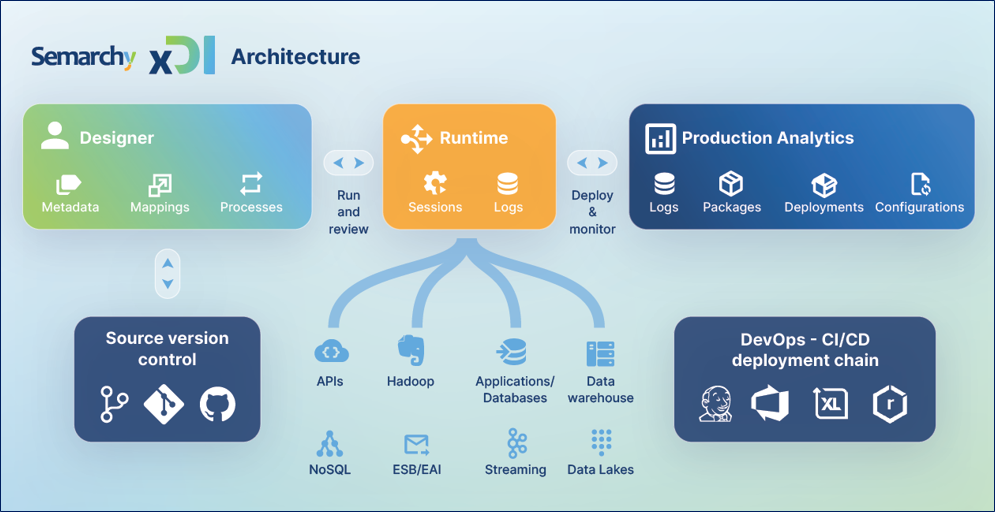
Semarchy xDI

xDI is Semarchy’s advanced data integration capability, enabling seamless connectivity and integration with a wide range of systems, databases, and applications. With xDI, businesses can:

Streamline Data Integration

Easily connect and integrate data from disparate sources, regardless of their format or location. Automate data synchronization, migration, and consolidation processes for efficient and accurate data flow.

Support Real-time Data Integration

Ensure the availability of up-to-date information by enabling real-time data integration, allowing for immediate insights and informed decision-making.

Enhance Data Enrichment

Enrich your data with external sources, APIs, or third-party data providers to augment the quality and depth of your information. Leverage external data to gain a competitive edge and drive innovation.

Enable Data Mapping and Transformation

Simplify complex data mapping tasks with intuitive tools and capabilities. Ensure data compatibility and consistency across integrated systems.

By leveraging the power of Semarchy xDM and xDI, the platform empowers organizations to streamline their data management processes, improve data quality and integrity, enable effective data governance, and achieve seamless data integration.

Whether it’s creating a unified view of master data or integrating critical information from various sources, Semarchy’s core capabilities provide the foundation for successful data-driven initiatives.

Key Functionality of Semarchy

Semarchy MDM offers a comprehensive suite of functionalities that empower organizations to harness the full potential of their data. Let’s explore the key functionalities of Semarchy and how they contribute to unlocking valuable insights and driving informed decision-making.

Data Discovery

Data discovery helps explore, understand, and document the organization’s data landscape. Key features of Semarchy data discovery include:

  • Data Profiling: Gain insights into data quality, completeness, and uniqueness to identify areas for improvement.
  • Data Lineage: Trace the origin and transformation of data elements to ensure data accuracy and compliance.
  • Data Catalog: Create a centralized repository of data assets, enabling easy access and searchability.

Data Integration

Semarchy simplifies data integration by enabling seamless connectivity and data exchange between different systems, applications, and databases. Notable features include:

  • Data Connectors: Pre-built connectors facilitate integration with a wide range of systems, enabling smooth data flow.
  • ETL (Extract, Transform, Load): Automate the extraction, transformation, and loading of data to ensure accurate and timely data integration.
  • Real-time Integration: Enable real-time data exchange and synchronization to support agile decision-making.

Data Enrichment

Organizations can enrich their data with external sources, enhancing its quality and depth by harnessing the potential of the data enrichment functionality of Semarchy. Key features of data enrichment consist of:

  • Data Enrichment Services: Seamlessly integrate third-party data providers and APIs to augment and enrich existing data.
  • Data Standardization: Apply standardization rules to ensure consistency and uniformity across datasets.
  • Geolocation and Demographics: Enhance customer data with geolocation and demographic information for targeted marketing and personalization.

Data Management

Leverage robust data management capabilities of Semarchy that enables organizations to govern, cleanse, and maintain their data effectively. Key features include:

  • Data Quality Management: Implement data validation, cleansing, and enrichment processes to ensure data accuracy and integrity.
  • Data Versioning: Maintain a historical record of changes to track data evolution and enable compliance.
  • Data Security and Access Control: Define granular access controls and security policies to safeguard sensitive data.

Data Analytics and Reporting

Companies can derive meaningful insights and create comprehensive reports from data with Smerahcy implementation. Key features of data analytics and reporting involve:

  • Business Intelligence Integration: Seamlessly integrates with popular BI tools for in-depth data analysis and visualization.
  • Customizable Dashboards: Create personalized dashboards and reports to monitor key metrics and KPIs.
  • Ad hoc Querying: Perform on-the-fly queries to explore data and uncover valuable insights.

Data Governance

Semarchy enables effective data governance, ensuring data compliance, privacy, and accountability. Key features of data governance functionality are:

  • Data Policies and Rules: Define and enforce data policies and rules to maintain data consistency and adherence to regulations.
  • Workflow and Approval Processes: Establish workflows for data approval, review, and change management.
  • Data Stewardship: Assign data stewardship roles to ensure data ownership, responsibility, and accountability.

By leveraging the key functionalities of Semarchy, organizations can drive data-driven initiatives and gain a competitive advantage.

From data discovery and integration to enrichment, management, analytics, reporting, and governance, Semarchy master data management holds a range of capabilities to meet the diverse needs of modern enterprises.

Embrace Semarchy’s key functionalities and embark on a data management journey that empowers your organization with reliable, actionable insights for strategic decision-making and business success.

How Does Semarchy MDM Help Businesses Address Data Management Challenges?

With Semarchy implementation, companies can seamlessly address their data-related challenges. Let’s explore how Semarchy tackles common data management challenges and helps organizations to manage massive amounts of data effectively.

1. Data Silos and Fragmented Information

One of the major challenges organizations face is the existence of data silos, where information is scattered across different systems and departments.

Semarchy provides a unified platform that integrates and harmonizes data from diverse sources, eliminating silos and creating a single source of truth.

By centralizing data, Semarchy enables organizations to access accurate, consistent, and reliable information for informed decision-making.

2. Inconsistent and Poor Data Quality

Data quality issues can hamper decision-making and business processes. Semarchy addresses this challenge by offering robust data quality management features. It enables organizations to establish data quality rules, perform data profiling and cleansing, and enforce data standards.

By ensuring data integrity and consistency, Semarchy MDM enhances the reliability and trustworthiness of the data, empowering organizations to make confident business decisions.

3. Lack of Data Governance

Effective data governance is crucial for ensuring data privacy, security, compliance, and accountability.

Semarchy provides comprehensive data governance capabilities, allowing organizations to define and enforce data policies, establish data stewardship roles, and implement approval workflows.

By promoting a culture of data governance, Semarchy helps organizations maintain data integrity, adhere to regulatory requirements, and mitigate risks associated with data management.

4. Data Integration Complexity

Integrating data from disparate systems and applications can be complex and time-consuming. Semarchy simplifies data integration by offering pre-built connectors, data mapping tools, and support for various data formats and protocols.

With Semarchy’s intuitive interface and streamlined integration processes, organizations can efficiently connect and integrate data from different sources, ensuring seamless data flow and eliminating integration bottlenecks.

5. Limited Data Visibility and Insights

Gaining meaningful insights from data is critical for driving business growth and competitiveness. Semarchy empowers organizations with robust data analytics and reporting capabilities.

It seamlessly integrates with popular business intelligence tools, enabling users to create customizable dashboards, perform ad hoc queries, and generate comprehensive reports.

With Semarchy MDM, organizations can gain deep insights into their data, identify trends, and make data-driven decisions that propel their success.

6. Scalability and Adaptability

As organizations grow and their data volumes increase, scalability, and adaptability become crucial. Scalable Semarchy architecture ensures it can handle large datasets and accommodate future data growth.

Its flexible data modeling capabilities allow organizations to adapt and customize their data structures to meet evolving business needs.

Semarchy grows with your organization, providing a sustainable data management solution that can keep pace with your expanding requirements.

By addressing these data management challenges, Semarchy master data management empowers organizations to overcome data hurdles and unlock the full potential of their information assets.

With a unified platform, robust data quality management, comprehensive data governance, streamlined data integration, advanced analytics, and scalability, Semarchy MDM equips organizations with the tools they need to drive innovation and achieve their business objectives.

3 Essential Components of Semarchy MDM

1. Data Management

Master Data Management (MDM) is a critical aspect of data management, enabling organizations to establish a single, trusted source of master data that drives business operations and decision-making.

Semarchy offers a comprehensive platform that encompasses essential components of MDM, revolutionizing the way organizations manage their data.

Let’s explore the key components of Semarchy’s MDM solution and the benefits they bring to organizations.

Data Management

Semarchy provides a robust data management framework that enables organizations to define, model, and govern their master data entities, attributes, and relationships.

With Semarchy, organizations can establish a clear understanding of their data landscape and ensure data consistency and integrity across systems and processes.

Semarchy’s Approach to MDM

Semarchy master data management takes a unique approach to MDM, known as “Intelligent MDM.” It combines business-focused data governance with machine learning and data quality capabilities.

This approach empowers organizations to not only manage their master data but also leverage advanced technologies to automate data quality processes, detect anomalies, and improve data accuracy over time.

Semarchy MDM Benefits

Implementing Semarchy’s MDM solution brings several benefits to organizations:

  • Single Source of Truth

Semarchy establishes a single, authoritative source of master data, eliminating data discrepancies and inconsistencies that arise from managing data in multiple systems.

  • Improved Data Quality

Semarchy enables organizations to enforce data quality rules, perform data cleansing, and establish data governance processes, resulting in higher data accuracy and reliability.

  • Enhanced Decision-Making

With consistent and reliable master data, organizations can make informed decisions based on a holistic view of their data assets, driving better business outcomes.

  • Streamlined Processes

Semarchy’s MDM solution improves operational efficiency by providing a standardized approach to managing master data, reducing manual efforts, and eliminating redundant processes.

  • Regulatory Compliance

Using Semarchy, companies can leverage compliance with data regulations by enabling organizations to establish data governance policies, enforce data privacy rules, and track data lineage.

  • Increased Agility

By empowering organizations to quickly adapt to changing business requirements, Semarchy enhances agility and flexibility, enabling organizations to respond to market demands more effectively.

Semarchy’s MDM solution goes beyond traditional MDM capabilities, combining advanced data management, governance, and machine learning to deliver a comprehensive platform for managing master data.

With its intelligent approach and wide-ranging benefits, Semarchy equips organizations with the tools they need to establish a strong data foundation, drive business growth, and gain a competitive edge in today’s data-driven world.

2. Data Governance

Data governance plays a pivotal role in ensuring data quality, integrity, and compliance. It establishes the policies, processes, and frameworks that enable organizations to effectively manage and govern their data assets.

Semarchy recognizes the significance of data governance and provides robust capabilities to empower organizations to implement ensured data governance.

Let’s delve into the importance of data governance, how Semarchy enables effective governance and the benefits it brings to organizations.

How Semarchy MDM Enables Effective Data Governance?

Semarchy provides robust capabilities to support effective data governance:

  • Data Governance Framework

Semarchy offers a comprehensive framework for establishing data governance policies, processes, and roles within the organization. It allows organizations to define data governance rules, workflows, and approvals, ensuring a structured and consistent approach to data management.

  • Data Lineage and Auditability

Semarchy enables organizations to track and document the lineage of data, providing visibility into data origins, transformations, and usage. This helps in ensuring data accountability and compliance.

  • Metadata Management

Semarchy allows organizations to define and manage metadata, including data definitions, business glossaries, and data catalogs. This facilitates clear communication and understanding of data across the organization.

  • Data Stewardship

Semarchy master data governance provides data stewardship capabilities that allow organizations to assign ownership and accountability for data assets. It empowers data stewards to manage data quality, resolve data issues, and enforce data governance policies.

Semarchy Data Governance Benefits

Implementing Semarchy’s data governance capabilities brings several benefits to organizations:

  • Improved Data Quality

Effective data governance ensures data accuracy, consistency, and integrity, resulting in higher data quality and reliability.

  • Enhanced Compliance

Semarchy enables organizations to establish and enforce data privacy regulations, industry standards, and internal policies, ensuring compliance and mitigating risks.

  • Data Transparency and Trust

By providing clear data lineage and documentation, Semarchy fosters transparency and trust in data, increasing confidence in decision-making.

  • Efficient Collaboration

Semarchy’s data governance capabilities facilitate collaboration and coordination among teams, ensuring consistent data understanding and fostering cross-functional data-driven initiatives.

  • Regulatory Readiness

With Semarchy MDM, organizations can demonstrate compliance with data regulations through proper data governance practices, reducing the risk of penalties and reputational damage.

By leveraging Semarchy’s data governance capabilities, organizations can establish a solid foundation for effective data management, ensuring data quality, compliance, and trustworthiness.

Semarchy empowers organizations to govern their data assets with precision, enabling them to make informed decisions, drive operational excellence, and gain a competitive advantage in the digital age.

3. Data Integration

Data integration ensures organizations have access to a unified and reliable view of their data assets. Semarchy recognizes the importance of data integration and provides robust capabilities to streamline data integration processes and ensure data accuracy and consistency.

Let’s explore the significance of data integration, how Semarchy MDM facilitates seamless integration, and the benefits it brings to organizations.

Importance of Data Integration in Data Management

Data integration and quality are vital for organizations for several reasons:

  • Unified Data

Integrating data from disparate sources allows organizations to create a unified view of their data assets, breaking down data silos and enabling better decision-making and operational efficiency.

  • Data Consistency

Ensuring data consistency across different systems and databases is crucial for accurate reporting, analysis, and reliable insights. Data integration helps reconcile and harmonize data from various sources to achieve consistency.

  • Data Enrichment

Integrating data with external sources, such as market data or third-party APIs, enhances the value and depth of the data. This enriched data enables organizations to gain deeper insights and drive more impactful business outcomes.

  • Data Accuracy

Maintaining data accuracy is essential to avoid erroneous decisions and minimize risks. Data integration and quality processes help identify and resolve data inconsistencies, errors, and duplications, ensuring data accuracy and reliability.

How Semarchy Facilitates Seamless Data Integration

Semarchy provides robust capabilities to facilitate seamless data integration and ensure data quality:

  • Data Integration Framework

With a comprehensive data integration framework of Semarchy master data management, companies can use various integration methods, including batch integration, real-time integration, and data replication. It allows organizations to connect and consolidate data from multiple sources, systems, and databases.

  • Data Transformation

The data transformation capabilities of Semarchy allow organizations to cleanse, validate, and enrich data during the integration process. It supports data mapping, data validation rules, and data enrichment mechanisms, ensuring high-quality data integration.

  • Data Quality Management

Incorporates data quality management features of Semarchy in an MDM solution that enables organizations to define data quality rules, perform data profiling, and establish data quality metrics. It provides data quality dashboards and reports to monitor and improve data quality continuously.

  • Data Matching and Deduplication

Advanced data matching and deduplication algorithms of Semarchy MDM enable organizations to identify and eliminate duplicate records. This ensures data accuracy and consistency across the entire dataset.

Semarchy Data Integration Benefits

Implementing Semarchy’s data integration capabilities brings several benefits to organizations:

  • Enhanced Data Consistency

Semarchy ensures that data from different sources are integrated seamlessly, resulting in a unified and consistent view of data across the organization.

  • Improved Data Accuracy

By incorporating data quality management features, Semarchy enables organizations to identify and resolve data inconsistencies and errors, ensuring high-quality and reliable data.

  • Efficient Data Integration

Semarchy’s data integration framework streamlines the integration process, reducing the time and effort required to connect and consolidate data from various sources.

  • Enriched Insights

With Semarchy, organizations can enrich their data by integrating external sources, empowering them with deeper insights and more accurate decision-making.

  • Operational Efficiency

Seamless data integration and high data quality lead to improved operational efficiency, as organizations can rely on accurate and consistent data for reporting, analysis, and other critical business processes.

By leveraging Semarchy’s data integration and quality capabilities, organizations can overcome data fragmentation, ensure data accuracy, and achieve a unified view of their data assets.

Semarchy empowers organizations to integrate and enhance their data with ease, enabling them to make informed decisions, drive innovation, and achieve greater business success in a data-driven world.

Semarchy is a versatile data management platform that caters to the diverse needs of organizations across various industries. Let’s explore how Semarchy empowers success in different sectors, including retail, manufacturing, finance, healthcare, services, and others.

How Semarchy Helps Different Industries?

Retail

Semarchy master data management enables retailers to centralize and manage product data efficiently, ensuring consistent and accurate information across multiple channels.

Retailers can enhance their product catalog management, streamline data enrichment processes, and deliver a personalized and consistent customer experience.

Manufacturing

With the data management capabilities of Semarchy, manufacturing companies maintain a single source of truth for their product data, enabling efficient collaboration across teams and departments.

With Semarchy, manufacturers can streamline their product lifecycle management, ensure regulatory compliance, and improve supply chain visibility and efficiency.

Finance

In the finance industry, data accuracy and compliance are of utmost importance. Semarchy helps financial institutions manage their master data, such as customer data, product data, and reference data, effectively.

It enables organizations to establish data governance frameworks, ensure data quality and consistency, and comply with regulatory requirements.

Semarchy also facilitates data integration with various financial systems, enabling a holistic view of financial data and supporting better decision-making.

Healthcare

In the healthcare industry, Semarchy MDM assists organizations in managing critical patient data, ensuring its accuracy, privacy, and accessibility.

It helps healthcare providers establish a master patient index, integrate data from multiple sources (such as Electronic Health Records), and streamline data sharing across healthcare systems.

Healthcare organizations can improve patient data accuracy, enhance care coordination, and support data-driven healthcare initiatives.

Services

Leverage the data management capabilities of Semarchy for service-based industries, such as consulting firms, professional services, and technology companies. It enables organizations to streamline their service offerings, manage client data, and enhance project management.

Semarchy’s data governance features help service-based businesses maintain data quality and consistency, ensure compliance with data privacy regulations, and improve operational efficiency.

Others

Semarchy’s flexibility and scalability make it suitable for a wide range of industries beyond the ones mentioned above.

Whether it’s education, hospitality, telecommunications, or any other sector, the platform can be tailored to meet specific data management requirements.

Its robust data integration, quality, and governance capabilities empower organizations to unlock the value of their data, regardless of the industry they operate in.

Semarchy’s industry-agnostic nature and comprehensive data management functionalities make it a powerful solution for organizations across various sectors.

Whether it’s retail, manufacturing, finance, healthcare, services, or beyond, Semarchy empowers success by transforming data into a strategic asset.

Success Stories of Semarchy

Shake Shack

Challenge

Shake Shack, a rapidly growing restaurant chain, needed a Master Data Management (MDM) solution that could be implemented quickly and efficiently. They required a solution that could centralize their location data and ensure data accuracy while accommodating their future growth.

Solution

Shake Shack turned to Semarchy for their MDM needs. Semarchy provided a fast and scalable MDM solution that aligned with Shake Shack’s requirements. The initial focus was on mastering their “Shack List,” which encompassed all their restaurant locations.

Using Semarchy’s platform, Shake Shack was able to centralize data from various sources and systems, eliminating data silos and ensuring a single source of truth for location data. This consolidation enhanced data accuracy and improved overall data quality.

Results

By implementing Semarchy’s MDM solution, Shake Shack achieved significant outcomes in their digital transformation and operational efficiency:

  • Streamlined Data Management
  • Data Accuracy and Quality
  • Scalability for Growth
  • Iterative Approach

Overall, Semarchy’s MDM solution provided Shake Shack with the ability to gain control over its location data quickly and effectively. By centralizing its data and ensuring its accuracy, Shake Shack enhanced their operational efficiency, enabling them to focus on their core business of providing exceptional dining experiences.

Through their partnership with Semarchy, Shake Shack experienced the power of a fast and scalable MDM solution that not only met their immediate needs but also supported their future growth aspirations.

Red Wing Shoes

Challenge

Red Wing Shoes, a renowned manufacturer and retailer of purpose-built footwear and accessories, recognized the importance of effectively managing their customer data across all divisions of the company.

With the rapid growth of retail and e-commerce, they needed a centralized data hub that could provide a 360° view of their customers and enhance their knowledge across all departments.

Solution

Red Wing Shoes turned to the Semarchy xDM platform to address its data management and governance needs. Semarchy provided an intelligent and agile solution that could serve as a central data hub, enabling collaborative data management and empowering all business units with a comprehensive view of customer data.

With Semarchy xDM, Red Wing Shoes embarked on its data journey, aiming to improve its customer knowledge and enhance the overall customer experience. The platform allowed them to consolidate and harmonize customer data from various sources, creating a single, trusted source of truth.

Results

By implementing the Semarchy xDM platform, Red Wing Shoes achieved significant outcomes in their data management and governance efforts:

  • Centralized Customer Data
  • Enhanced Customer Knowledge
  • Improved Operational Efficiency
  • Data Governance and Compliance
  • Scalability and Agility

Through its partnership with Semarchy, Red Wing Shoes successfully transformed its data management and governance practices.

By empowering all business units with collaborative data management and a comprehensive view of customer data, they were able to improve operational efficiency and deliver exceptional customer experiences.

Semarchy xDM platform proved to be the ideal solution for Red Wing Shoes, aligning with their commitment to continuous innovation and excellence. With Semarchy, Red Wing Shoes embarked on an intelligent and agile data journey, driving its success in the ever-evolving retail landscape.

APRIL

Challenge

APRIL, an international group of insurance services operating across multiple countries, faced the challenge of aggregating customer and prospect data from all its subsidiaries in a simple, relevant, and efficient way.

They recognized the need to match customers across multiple lines of business to gain better visibility into their customer base and improve customer satisfaction.

The existing manual processes and lack of automation for data cross-referencing and reconciliation were time-consuming and resource intensive.

Solution

APRIL turned to Semarchy to address its data management and reconciliation needs. Semarchy provided a solution that streamlined the process of aggregating customer and prospect data from various subsidiaries, enabling APRIL to match customers across multiple lines of business and gain a comprehensive view of their customers.

With Semarchy, APRIL embarked on a digital transformation initiative that focused on automating prospect-customer data cross-referencing. The platform eliminated the need for manual queries and macros on databases, freeing up time and resources for more value-added activities.

Results

By implementing Semarchy’s solution, APRIL achieved significant outcomes in its data management and reconciliation efforts:

  • Enhanced Customer Visibility
  • Improved Lead Management
  • Increased Efficiency
  • Data Accuracy and Quality
  • Scalable Solution

APRIL transformed its data management processes, gaining a holistic view of its customers and prospects across multiple lines of business.

By leveraging Semarchy’s capabilities, APRIL improved customer satisfaction, increased revenue opportunities through cross-selling and up-selling, and optimized lead management processes.

Semarchy’s solution empowered APRIL to embrace the future of data management, combining the best of humans and technology to deliver outstanding experiences to its customers and partners.

How to Get Started with Semarchy?

Implementing Semarchy MDM in your organization can revolutionize your data management practices and drive significant business value. To help you get started on your Semarchy journey, here are some key steps, considerations, and available resources for a successful implementation.

Steps to Implement Semarchy in an Organization

1. Define Objectives

Clearly identify your organization’s data management objectives and the specific areas where Semarchy can bring value.

2. Assess Data Landscape

Evaluate your existing data infrastructure, sources, and systems to understand the complexity and scope of the implementation.

3. Plan and Scope

Develop a comprehensive implementation plan and define the scope of your Semarchy deployment. Identify key milestones, timelines, and resource requirements.

4. Data Modeling

Design and create a data model that aligns with your business requirements. Define the entities, attributes, relationships, and hierarchies that Semarchy master data management will manage.

5. Data Integration

Establish connections with data sources and systems to enable seamless data integration with Semarchy. Determine the integration methods and technologies that best suit your environment.

6. Configuration and Customization

Configure Semarchy MDM to match your organization’s data management processes, workflows, and business rules. Customize the platform to align with your specific needs.

7. Data Migration

Migrate your existing data into Semarchy, ensuring accuracy and integrity during the transition. Develop a robust data migration strategy and perform thorough testing.

8. User Training and Adoption

Train your users on Semarchy’s features, functionality, and best practices. Encourage adoption and provide ongoing support to ensure a smooth transition.

Considerations for Selecting the Right Semarchy Solution

Business Needs

Identify your specific data management requirements, including master data management, data governance, data integration, and data quality. Ensure that Semarchy offers the capabilities to meet your needs.

Scalability and Flexibility

Assess the scalability and flexibility of the Semarchy MDM solution to accommodate your organization’s growth and evolving data management needs.

Integration Capabilities

Consider the integration capabilities of Semarchy with your existing systems, databases, and applications. Evaluate the ease of integrating Semarchy into your data ecosystem.

Customization Options

Determine the level of customization that Semarchy allows to align with your unique business processes and requirements.

User Experience

Evaluate the user interface, ease of use, and intuitiveness of Semarchy to ensure user adoption and productivity.

Vendor Support and Expertise

Assess the vendor’s reputation, experience, and customer support capabilities. Ensure that they can provide the necessary guidance and assistance throughout the implementation process and beyond.

Wrapping Up

As we conclude, we encourage you to explore Semarchy for improved data governance and master data management (MDM). By leveraging Semarchy’s comprehensive features and functionalities, your organization can enhance data quality, streamline processes, improve customer experiences, and drive business growth.

Don’t let data chaos hold your organization back. Embrace Semarchy MDM as your trusted data management partner and unlock the full potential of your data. Start your data management journey today and experience the transformative power of Semarchy.

What is Syndigo – A Comprehensive Guide

When information is precise, uniform, and regularly updated within an ecosystem, it can seamlessly traverse multiple platforms. This seamless flow drives efficient commerce, accelerates performance, and enables products to move swiftly from suppliers through store shelves.

Today’s business landscape is increasingly intricate, with an overwhelming amount of information to manage. Many businesses invest significant resources in systems, platforms, and solutions without addressing the underlying issue.

These disparate systems are incomplete solutions for effectively managing, distributing, and measuring product information. Data becomes trapped in silos, content loses momentum, faces delays in reaching the market, and frustrates trading partners and buyers alike.

Brands and retailers are burdened with outdated, inaccurate, and limited data and content that fails to keep pace with the rapid speed of commerce. Therefore, there is an urgent demand for businesses to consolidate complete, consistent, and accurate content.

To enable the free and continuous flow of data and content, a unified and comprehensive engine becomes indispensable. This is precisely where Syndigo steps in as the Active Content Engine, offering an integrated solution that empowers businesses to overcome these challenges and achieve optimal content management and distribution.

What is Syndigo

Syndigo is a fully featured active content engine designed to help businesses operating in healthcare, hospitality, automotive, and other industries. It serves as a centralized repository for capturing and storing product data and digital assets, providing a robust foundation for modern commerce.

By facilitating the seamless flow of data and content throughout the entire commerce ecosystem, Syndigo empowers businesses to drive growth and enhance sales. This powerful system helps businesses supply businesses with extensive product content, including nutrition information and digital media.

This rich and standardized product information fuels engaging experiences across brands, distributors, and retailers. With Syndigo, product suppliers and manufacturers can ensure that all their sales channels have consistent and comprehensive product data, eliminating discrepancies and improving customer experiences.

Retailers also reap significant benefits from Syndigo’s integrated platform. By consuming a vast amount of standardized content, retailers can expedite their speed to market, expand their product lines, and maximize their market presence.

Syndigo’s Reach and Impact

  • Clients and Partners: Syndigo has served thousands of major brands and retailers including Nestlé and Walmart across various industries. They have established partnerships with leading organizations to enhance their product content management offerings.
  • Industry Coverage: Syndigo’s solutions cater to a wide range of industries, including consumer packaged goods (CPG), healthcare, hospitality, automotive, and more. Their platform is designed to meet the diverse needs of businesses operating in these sectors.
  • Global Presence: Syndigo operates on a global scale, serving clients not only in North America but also in Europe, Asia-Pacific, and other regions worldwide. Their solutions have enabled businesses across the globe to streamline their product content management processes.

syndigo facts

Key Solutions of Syndigo

Syndigo has 5 key solutions that work together to provide a comprehensive product content management solution. These modules address various aspects of content creation, enrichment, syndication, and analytics. Here are the key modules offered by Syndigo:

1. Create

The “Create” solution offered by Syndigo is a crucial module within their product content management platform. It focuses on empowering businesses to efficiently create and enrich their product content, ensuring accuracy, consistency, and completeness.

This solution provides businesses with the tools and capabilities to streamline the process of generating product information and digital assets. Here are some of the features and functionalities typically associated with the “Create” solution:

a) Core Content Creation & Verification

Syndigo ensures that all content, regardless of whether it is supplied by brands or created by Syndigo, is consistent across recipients and accurately represents each item. This includes photo imagery, weights and dimensions, ingredients, nutritional information, marketing claims, and other packaging information. Syndigo also verifies all content for completeness, accuracy, and quality.

Consistency across recipients: Syndigo ensures that all content is presented in the same way, regardless of where it is viewed. This means that consumers will always see the same information about a product, regardless of whether they are looking at it on a website, in a store, or on a mobile app.

Accurate representation of each item: Syndigo ensures that all content is accurate and up to date. This means that consumers can be confident that the information they are seeing is accurate and reliable.

Verification of all content: Syndigo verifies all content for completeness, accuracy, and quality. This means that Syndigo checks to make sure that all content is complete, accurate, and of high quality.

By ensuring consistency across recipients, an accurate representation of each item, and the verification of all content, Syndigo helps brands deliver a consistent and accurate shopping experience to consumers.

b) Optimized Content

Syndigo helps businesses move beyond standard product images and delve into captivating visuals, lifestyle imagery, and content tailored for mobile devices. Through Optimized Content, Syndigo’s clients have witnessed an impressive up to 39% surge in Add-To-Cart rates and an 18% boost in sales.

c) CGI Content

By leveraging Photorealistic Computer-Generated Imagery (CGI), the necessity of physically shipping samples is eliminated. With CGI, Syndigo enables brands to provide recipients with an entirely fresh digital image collection as early as 12 weeks before the product hits the shelves, eliminating the need to wait for mechanical or physical samples.

d) Stylized Content

Great food photography can capture the flavor and entice consumers to buy. Syndigo artfully arranges the products, so they look as good as they taste. This is especially helpful for bulk products sold for food service use or warehouse outlets.

Here are some of the benefits of using professional food photography:

  • Increased sales: Studies have shown that food photography can increase sales by up to 20%.
  • Improved brand image: Professional food photography can help to improve your brand image and make your products look more appealing to consumers.
  • Increased website traffic: Well-designed food photography can help to increase website traffic and drive more sales.

e) Nutritional Information & Wellness

Syndigo has a team of registered dietitians and one of the largest databases of nutritional information. This database includes information from a network of restaurant chains, food service providers, and grocery stores covering more than 92% of food products in the US and Canada.

Syndigo offers a variety of services to help clients and consumers make informed food choices. These services include:

  • Nutrition information: They provide accurate and up-to-date nutrition information for millions of food products.
  • Nutrition education: They offer a variety of nutrition education resources, including articles, videos, and infographics.
  • Nutrition counseling: They offer one-on-one nutrition counseling to help clients develop healthy eating habits.

f) Brand Created Content

Syndigo’s Active Content Engine makes it easy to use the business’s existing brand-created content. They can simply upload their assets and label information to Syndigo, and be ensured that it is validated, categorized, and uploaded quickly.

Here are some of the benefits of using Syndigo’s Active Content Engine to manage your brand-created content:

  • Speed: Syndigo can quickly validate, categorize, and upload your content, so you can get it to the market faster.
  • Accuracy: Syndigo’s team of experts will ensure that your content is accurate and compliant with industry standards.
  • Reach: Syndigo’s network of retailer recipients gives you the reach you need to get your content in front of your target audience.

2. Manage

The “Manage” solution offered by Syndigo is a key module within their product content management platform. It focuses on providing businesses with robust tools and functionalities to effectively manage their product content throughout its lifecycle.

The “Manage” solution enables businesses to centralize, organize, and govern their product data, ensuring its accuracy, consistency, and accessibility. Here are some of the features and functionalities typically associated with the “Manage” solution:

a) Product Information Management

Product Information Management (PIM) is commonly associated with technology or systems that handle extensive data across suppliers and distribution channels. However, it is essential to recognize that PIM is more than just a technology—it is a comprehensive process.

The effectiveness of a PIM system relies heavily on its ability to establish connections within the ecosystem. Without seamless connectivity to the sources that require the data, its purpose becomes questionable.

Numerous companies employ multiple systems, including PIM systems alongside others dedicated to delivery. Nevertheless, this fragmented approach is not obligatory. With Syndigo, you gain access to the sole omnichannel system required to efficiently manage and deliver top-notch content.

By consolidating your efforts through Syndigo, you can streamline operations, ensure consistent data flow, and achieve excellence in content management and delivery. Here are some of the benefits of using Syndigo’s PIM system:

  • Single system: Syndigo is a single system that can manage all of your product data, regardless of where it comes from. This eliminates the need to use multiple systems, which can save you time and money.
  • Connectivity: Syndigo is connected to a wide range of suppliers and distribution channels. This means that you can easily share your product data with the people who need it when they need it.
  • Quality: Syndigo’s PIM system is designed to ensure that your product data is accurate and up to date. This means that you can be confident that your customers are getting the information they need.

b) Master Data Management

Master Data forms the foundational data that flows throughout the digital ecosystem of an enterprise. It encompasses various aspects such as customers, suppliers, products, parts, employees, materials, locations, recipes, and more.

Centralizing this information within an MDM platform, serving as the singular and trusted source of master data, is crucial for the efficient functioning, growth, and transformation of a business. Syndigo’s forward-thinking MDM empowers organizations to intelligently manage, govern, and analyze their master data.

The true strength of Syndigo’s MDM solution lies in its ability to establish connections among different data domains. Syndigo offers a unified and multi-domain MDM system that seamlessly links customer, location, and product information.

This interconnectedness creates an exceptionally intelligent information system for effective governance, management, and tracking of data. With Syndigo’s MDM, organizations can harness the power of data integration and synergy between various domains, driving efficiency, accuracy, and insights across the enterprise.

It enables businesses to unlock the full potential of their master data and leverage it for informed decision-making, operational excellence, and enhanced business outcomes.

Here are some of the benefits of using Syndigo’s MDM:

  • Improved data accuracy and consistency: Helps you improve the accuracy and consistency of your master data by providing a single, trusted source of information.
  • Reduced costs: Helps you reduce costs by eliminating the need to maintain multiple systems for managing your master data.
  • Increased efficiency: Helps you increase efficiency by providing a single point of access to your master data.
  • Improved decision-making: Helps you to improve decision-making by providing you with access to accurate and consistent data.

c) Customer Domain MDM

Customer Master Data Management (MDM) is a process that helps businesses understand and anticipate their customers’ needs. Syndigo’s MDM solution creates, manages, and centralizes customer records to ensure accuracy and avoid duplication.

This enables businesses to have a single view of their customers, regardless of where the data is stored. This can be used to improve customer service, marketing campaigns, and product development.

Here are some of the benefits of MDM:

  • Improved customer service: MDM can help businesses provide better customer service by giving customer service representatives access to a single view of the customer. This can help them resolve issues more quickly and easily.
  • More effective marketing campaigns: MDM can help businesses create more effective marketing campaigns by providing them with a better understanding of their customer’s needs and preferences. This can help them target their marketing efforts more effectively and improve their return on investment.
  • Better product development: MDM can help businesses develop better products by providing them with insights into what their customers want and need. This can help them develop products that are more likely to be successful.

d) Digital Asset Management

In today’s remote work environment, where teams are often spread out across different locations, a centralized digital asset management (DAM) solution is essential for collaboration. Syndigo’s DAM can help teams easily find, access, and share digital assets, such as images, documents, creative files, and multimedia files.

This can help to improve productivity and efficiency and can also help to ensure that everyone is working with the latest versions of the files. Our DAM solution is designed to meet the needs of modern businesses.

It is easy to use and can be customized to meet the specific requirements of your organization. It also integrates with other Syndigo solutions, so you can easily access all of your data from a single platform.

Syndigo’s DAM solution can help you save time, improve productivity, and ensure that everyone is working with the latest versions of the files.

Here are some of the benefits of using a centralized DAM solution:

  • Improved collaboration: A DAM can help teams easily find, access, and share digital assets, which can improve collaboration and productivity.
  • Reduced costs: A DAM can help to reduce costs by eliminating the need for multiple storage solutions and by providing a single point of access for all digital assets.
  • Increased security: A DAM can help to increase security by providing centralized access control and by encrypting data at rest and in transit.
  • Improved compliance: A DAM can help to improve compliance by providing audit trials and by storing data in a secure environment.

3. Syndicate

The Syndicate solution offered by Syndigo is a key module within their product content management platform. It focuses on empowering businesses to efficiently distribute their product content to various sales channels, ensuring consistent and accurate information reaches retailers, eCommerce platforms, and other partners.

Here are some of the features and functionalities typically associated with this solution:

a) Syndigo Recipient Network

The Syndigo Recipient Network is a two-sided global network of brands and recipients. It allows brands to easily distribute verified, standardized content to recipients.

Syndigo ensures that the content meets the multiple requirements and delivery specifications of the recipients. The content can be distributed in-store, online, and to industry-required data formats such as GDSN, ACES, PIES, and EUDAMED.

Syndigo is the go-to solution for most major recipients. This means that brands can quickly distribute their information to any shelf, platform, or marketplace.

Syndigo ensures that the right data is in the right place, in the right context, in near real-time. Here are some of the benefits of using the Syndigo Recipient Network:

  • Increased reach: The Syndigo Recipient Network has a reach of over 17,000 recipients. This means that brands can reach a wider audience with their content.
  • Improved efficiency: The Syndigo Recipient Network makes it easy for brands to distribute their content. Brands do not need to manage multiple relationships with different recipients.
  • Reduced costs: The Syndigo Recipient Network can help brands to reduce costs. Brands do not need to invest in their own infrastructure to distribute their content.

b) GDSN Publishing

Syndigo stands out as the sole GS1-Certified GDSN data pool that offers comprehensive data and price synchronization solutions tailored to your organization’s requirements. With a vast network of over 7,500 GDSN partners, Syndigo is one of the leading providers of global GDSN synchronization services.

Their extensive category coverage and worldwide presence enable us to efficiently distribute product information and streamline operations, ensuring your organization benefits from the broad market reach and enhanced operational efficiency. In addition to GDSN publishing, Syndigo also offers a variety of other data synchronization solutions.

These solutions can help businesses to:

  • Synchronize product information across multiple systems
  • Keep product information up to date
  • Reduce errors and improve data quality
  • Streamline operations and save time and money

c) Global UDI Submission

Syndigo can help medical device manufacturers meet the continually changing regulations in healthcare. This is important because UDI regulations are constantly evolving, and it can be difficult for manufacturers to keep up.

Syndigo can help by providing up-to-date information on UDI regulations and by providing tools and resources to help manufacturers comply with those regulations.

Syndigo also helps manufacturers send UDI data seamlessly. This is important because UDI data must be submitted to a variety of regulatory agencies, and it can be difficult to keep track of all of the different requirements.

Syndigo can help by providing a single platform for submitting UDI data to all of the required regulatory agencies. Overall, Syndigo can be a valuable resource for medical device manufacturers who are looking to meet UDI compliance.

By providing robust product content support and seamless UDI data submission, Syndigo can help manufacturers save time and money, and reduce the risk of non-compliance.

d) Syndigo Marketplace

The Syndigo Marketplace is the world’s largest active database of verified and standardized product content. It is a valuable resource for businesses that need high-quality, ready-to-use product information for their print or digital marketing, eCommerce, or space management.

The Syndigo Marketplace offers a wide variety of product information, including:

  • Product descriptions
  • Images
  • Technical specifications
  • Pricing
  • Availability
  • Reviews

The product information in the Syndigo Marketplace is verified and standardized, which means that it is accurate, consistent, and easy to use. This makes it a valuable resource for businesses that need to ensure that their product information is accurate and up to date.

Businesses can simply search for the products they are interested in and then download the product information they need. Here are some additional benefits of using the Syndigo Marketplace:

  • Save time and money by not having to create your product information.
  • Improve the accuracy and consistency of your product information.
  • Reach a wider audience by making your product information available in multiple formats.
  • Get insights into your customers’ preferences by analyzing their product searches.

e) Custom Distribution

Syndigo makes it easy to manage non-traditional data recipients. You can create an unlimited number of data recipients, each with its own template.

This includes internal client systems. Here are some of the benefits of using Syndigo to manage non-traditional data recipients:

  • Flexibility: Syndigo allows you to create an unlimited number of data recipients, each with its template. This gives you the flexibility to manage your data recipients in the way that best suits your needs.
  • Ease of use: Syndigo is easy to use. You can create and manage data recipients in a few simple steps.
  • Data quality: Syndigo ensures that all data distributions are of the highest quality. This is important for ensuring that your data recipients receive the information they need on time.
  • Reliable publishing schedules: Syndigo publishes data distributions on a reliable schedule. This ensures that your data recipients can always count on receiving the information they need.

4. Engage

This solution offered by Syndigo is a key module within their product content management platform. It focuses on enabling businesses to create engaging experiences for their customers by leveraging rich and compelling product content across various digital touchpoints.

Here are some of the features and functionalities typically associated with this solution:

a) Enhanced Content

Syndigo helps businesses transform their product experience from simple descriptions to immersive storytelling. This can help you drive engagement and conversion. We will help you hook customers with findable, searchable, enhanced media, which has been shown to produce a 39% average lift in add-to-cart rates.

Here are some of the benefits of transforming your product experience to immersive storytelling:

  • Increased engagement: Immersive storytelling can help you increase customer engagement by making your products more interesting and engaging.
  • Improved conversion rates: Immersive storytelling can help you improve your conversion rates by making it easier for customers to understand and visualize your products.
  • Increased brand awareness: Immersive storytelling can help you increase brand awareness by creating a more memorable and engaging customer experience.

b) In-Store Solutions

Effective communication at the point of purchase can benefit everyone. Syndigo’s merchandising experts can help businesses make it easier for customers to shop and more efficient for businesses to stock and order.

Here are some of the benefits of effective communication at the point of purchase:

  • Increased sales: Effective communication can help you increase sales by making it easier for customers to find the products they are looking for and by making it more likely that they will buy those products.
  • Improved customer satisfaction: Effective communication can help you improve customer satisfaction by making it a more pleasant and convenient experience for them to shop at your store.
  • Reduced costs: Effective communication can help you reduce costs by making it easier for you to stock and order the right products.

c) Guided Selling Experiences

Custom engagement tools help online shoppers find the products that are right for them. By personalizing the experience and simplifying the decision-making process, businesses can earn their trust and increase sales. Syndigo’s technology can also support made-to-order products.

5. Optimize

This solution offered by Syndigo is a key module within their product content management platform. It focuses on helping businesses optimize their product content and digital assets to drive better performance, visibility, and conversions.

Here are some of the features and functionalities typically associated with this solution:

a) Content Integrity

Syndigo platform makes sure that content is complete and accurate throughout the entire process, from creation to sale. Here are some benefits of ensuring content integrity.

  • Increased customer trust: Customers are more likely to trust a business that provides accurate and complete information.
  • Improved search engine ranking: Search engines favor websites that provide accurate and complete information.
  • Reduced legal risk: Businesses that provide inaccurate or incomplete information may be liable for legal damages.

b) Content Engagement

The majority of consumers show a strong preference for visual and interactive content compared to plain text. With Syndigo’s advanced analytics capabilities, businesses can gain valuable insights into the effectiveness of Enhanced Content within their business.

Syndigo’s analytics provide a comprehensive overview of user behavior across pages, enabling businesses to identify the content that generates the greatest impact on shopping behavior. Additionally, businesses can measure the impact of any modifications made to page layouts, ensuring they have concrete data to assess the effectiveness of their content strategies.

c) Digital Shelf Analytics

Syndigo’s robust reporting tools can help businesses refine their product pages. The built-in reports provide a high-level overview of performance, while the add-on reports offer deeper insights into specific areas. This information can be used to track performance and increase conversions.

d) VendorSCOR

VendorSCOR is a comprehensive solution that helps retailers improve the quality of their content. It provides retailers with a way to deliver content integrity scorecards to vendors, which makes it easy for vendors to identify and fix issues with their content. This helps retailers to ensure that their content is findable, engaging, and meets their standards.

Syndigo’s Diverse Industry Coverage

Syndigo is committed to serving a diverse range of business sectors with its industry-specific comprehensive solutions. Syndigo helps businesses in multiple sectors effectively manage and optimize their product content, streamline operations, and enhance their customer experiences.

Whether it’s ensuring compliance with regulatory requirements in healthcare, delivering engaging product content in the automotive industry, or providing accurate nutritional information in the hospitality sector, Syndigo offers tailored solutions to address industry-specific demands. Some popular industries catered by Syndigo are:

Syndigos-Diverse-Industry-Coverage

10 Key Benefits of Implementing Syndigo

Implementing Syndigo can bring numerous benefits to businesses across industries. Here are ten key advantages of implementing Syndigo:

  • Centralized Product Information: Syndigo allows businesses to centralize their product information, including attributes, descriptions, images, videos, and other multimedia content. This centralized repository ensures consistent and accurate information across all sales channels.
  • Improved Data Quality: Syndigo helps improve data quality by verifying and validating product information. It ensures that data is complete, accurate, and up to date, reducing errors and inconsistencies.
  • Enhanced Customer Experience: With Syndigo, businesses can provide rich and engaging product content to their customers. High-quality images, detailed descriptions, and other multimedia elements enhance the customer experience, leading to increased engagement and higher conversion rates.
  • Faster Time to Market: Syndigo enables businesses to efficiently manage and update product information, reducing the time required to launch new products or make changes to existing ones. This faster time to market gives businesses a competitive edge in the dynamic e-commerce landscape.
  • Streamlined Content Syndication: Syndigo simplifies the process of syndicating product content to various sales channels, including e-commerce platforms, marketplaces, retailers, and distributors. It ensures that consistent and accurate information is distributed across all channels, improving brand visibility and sales.
  • Increased Operational Efficiency: By automating manual processes and streamlining workflows, Syndigo helps businesses improve operational efficiency. It eliminates manual data entry, reduces errors, and minimizes time spent on content management tasks, allowing teams to focus on core business activities.
  • Improved Collaboration: Syndigo facilitates collaboration between manufacturers, suppliers, retailers, and other partners in the supply chain. It enables seamless sharing and exchange of product information, ensuring that all stakeholders have access to accurate and up-to-date data.
  • Compliance and Governance: Syndigo helps businesses ensure compliance with industry standards and regulations. It enables businesses to include regulatory information, certifications, and other compliance-related details in their product content, minimizing the risk of non-compliance.
  • Data Analytics and Insights: Syndigo provides valuable analytics and insights into product performance and customer behavior. Businesses can gain visibility into how customers engage with their product content, identify trends, and make data-driven decisions to optimize their offerings.
  • Scalability and Flexibility: Syndigo’s solutions are designed to scale as businesses grow. Whether a business has a small product catalog or a vast portfolio, Syndigo can accommodate the growing needs and adapt to changing requirements.

Implementing Syndigo can transform how businesses manage and distribute their product information, leading to improved efficiency, enhanced customer experiences, and increased sales. By leveraging the benefits of Syndigo, businesses can stay competitive in the digital landscape and drive growth in the e-commerce ecosystem.

Businesses That Have Leveraged Syndigo to Achieve Their Goals

Adorama

As a prominent retailer in the photography, video, audio, and computer equipment industry, Adorama understood the significance of accurate product information, data, and multimedia. In their highly technical sector, where products are often specialized, sensitive, and of higher value, providing comprehensive descriptions of features and benefits is vital to engage customers and drive conversions.

Through their collaboration with Syndigo, Adorama has achieved the following:

  • Found an effective source for highly focused Enhanced Content
  • Improved its data management and allocation capabilities
  • Consolidated multiple technology and partnership needs into a single relationship

Weber

Weber, a renowned provider of high-quality grills and exceptional cooking experiences, holds a prominent position in the global market. With an extensive product portfolio and a wide presence across various retailers and marketplaces, the Weber team manages approximately 400 active SKUs across 30 different channels.

Previously, Weber faced challenges in meeting the diverse requirements of different retailers and manually updating content across multiple platforms. However, through their partnership with Syndigo, the manufacturer has:

  • Improved operational efficiencies and reduced time spent publishing content by 20%
  • Made its products—including big-ticket items—as shoppable online as in-store, increasing add-to-cart rates by 25%
  • Established a powerful brand presence that persists across a diverse range of categories and products

Avondale Décor

Avondale Décor, the parent company of luxury bath fixtures and accessories manufacturer Allied Brass, boasts an extensive product catalog, featuring nearly 40,000 unique items. As a participant in Amazon Vendor Central, the company initially faced a challenge as only around 15,000 items were being sold despite having all the items loaded onto the platform.

However, after collaborating with Syndigo to finalize the data requirements specifically tailored for Amazon, Avondale Décor achieved sales from almost all 40,000 items on the Amazon marketplace. Through their partnership with Syndigo, Avondale Décor has effectively optimized their product data and content for Amazon, enabling them to tap into the full potential of their extensive catalog.

The increased visibility and accessibility of their products have led to substantial sales growth and revenue expansion. Avondale Décor’s success story exemplifies how Syndigo’s solutions empower businesses to maximize their online marketplace presence, capture untapped opportunities, and drive significant business growth.

Syndigo’s Future Plans & Strategies

As a leader in product content management solutions, Syndigo is continually looking ahead to anticipate emerging trends and drive innovations that will shape the future of the industry. One key aspect of Syndigo’s future plans and strategies is to further enhance and expand its offerings in response to the evolving needs of brands, retailers, distributors, and other industry stakeholders.

Syndigo recognizes the importance of staying adaptable in an industry that is constantly evolving. By embracing these trends, Syndigo aims to empower businesses with advanced tools and insights to optimize their product content strategies, improve customer engagement, and drive sales growth.

With the continued growth of online shopping and the increasing demand for rich, accurate, and engaging product information, Syndigo predicts a greater focus on content personalization and customization. Furthermore, it believes that the future of product content management lies in seamless integration and collaboration across the entire commerce ecosystem.

By fostering collaboration and standardization, Syndigo aims to create a more efficient and transparent eCommerce ecosystem for the benefit of all industry participants.

Credencys – A Reliable Syndigo Implementation Partner

Credencys is a trusted and reliable Syndigo implementation partner offering extensive expertise and experience in successfully implementing Syndigo’s solutions for businesses across various industries. Here are the reasons why Credencys is a reliable Syndigo implementation partner:

Deep Knowledge of Syndigo: Credencys has in-depth knowledge of Syndigo’s features and capabilities. We stay updated with the latest advancements and best practices in the Syndigo ecosystem, ensuring that we can provide accurate guidance and recommendations during the implementation process.

Proven Track Record: Credencys has a strong track record of successfully implementing Syndigo for numerous clients. We have a portfolio of successful projects and satisfied customers, demonstrating our ability to deliver reliable and high-quality implementations.

Industry Experience: Credencys has extensive experience working with businesses across various industries, including eCommerce, retail, manufacturing, and more. This industry expertise allows us to understand the specific needs and challenges of different businesses and tailor Syndigo’s implementation accordingly.

Customization and Integration Capabilities: Credencys has a team of skilled developers and consultants who can customize Syndigo’s solutions to fit the unique requirements of each business. We also possess expertise in integrating Syndigo with other existing systems, ensuring seamless data flow and integration with eCommerce platforms, content management systems, and ERP systems.

Comprehensive Services: Credencys provides end-to-end implementation services, starting from needs assessment and solution design to data migration, training, and ongoing support. We ensure that businesses receive comprehensive support throughout the implementation journey and beyond.

By choosing Credencys as a Syndigo implementation partner, businesses can rely on our expertise, industry knowledge, and commitment to deliver reliable and successful implementations. Credencys’ comprehensive services and client-centric approach ensure that businesses can leverage Syndigo effectively, streamline their product content management processes, and achieve their business objectives in a timely and efficient manner.

Closing Thoughts

The answer to the question “What is Syndigo” is explained in this blog post. To summarize, it is a powerful and comprehensive solution that revolutionizes product content management for businesses operating in the digital landscape.

From manufacturers and brands to retailers and distributors, Syndigo helps optimize operations, streamline content syndication, and enhance customer experiences. It is more than just a product content management solution—it is a strategic partner that empowers businesses to thrive in the digital era.

Best PIM Implementation Practices for Fashion Retailers

To ensure seamless and valuable customer experiences across digital platforms, online fashion businesses need to emulate a duck swimming on the water’s surface. While appearing smooth and tranquil to onlookers, a great deal of effort and exertion takes place beneath.

As the volume of product catalogs continues to expand, the risk of product data chaos grows unless a suitable of PIM implementation practices for fashion retailers is implemented. Fortunately, there exists a diverse array of PIM best practices that can assist online fashion businesses in maximizing their product data through effective tools and processes.

This article elucidates the role of PIM in enhancing business success and highlights essential PIM best practices worth familiarizing yourself with. By employing these strategies, you can ensure the accuracy of your product data and optimize its visibility to the fullest.

Let’s get started!

What is PIM?

Product Information Management (PIM) involves the systematic arrangement of product-related data to facilitate product marketing, sales, and other business operations. Its purpose is to maintain consistency and accuracy in product information within organizations.

The primary objective of PIM is to simplify the management of product data and ensure its quick and effortless accessibility across various systems, channels, teams, and markets. PIM enables centralized control over product data and facilitates the establishment of new sales channels.

This means that your team can handle all product updates using a single platform. This comprehensive system manages various aspects of product data, including descriptions, reviews, images, pricing, and availability.

Additionally, it aids companies in complying with local regulations and standards. Furthermore, PIM allows businesses to streamline their product development processes by monitoring the launch and progress of new products.

By implementing PIM best practices, companies can enhance product visibility, optimize product efficiency, and improve customer satisfaction. Leveraging PIM solutions simplifies the management of product data across multiple systems and channels for organizations.

Moreover, companies can update information in real-time, providing customers with accurate product details. Ultimately, PIM best practices ensure the proper organization, accuracy, and easy accessibility of product data for both customers and internal teams.

Suggested Read:

What is a PIM and Why Do You Need a PIM?

Product Information Management Guide

Importance of PIM Implementation Practices for Fashion Retailers

Effective product data management relies on the implementation of PIM systems. These systems serve as a vital component in centralizing product information, ensuring consistent details across various channels and sales platforms.

By leveraging PIM systems, online fashion businesses can effortlessly provide customers with accurate product information, minimizing the effort required on their part. PIM implementation practices for fashion retailers enable them to manage their product data efficiently and consistently.

This, in turn, amplifies product visibility, boosts sales, and reduces the time invested in product data maintenance and updates. Adopting PIM services becomes a favorable choice for online fashion retailers aiming to centralize product data, offering easy access and control while guaranteeing the accuracy and consistency of information across multiple channels.

To deliver a seamless product experience, businesses should contemplate integrating product data with their existing systems, such as ERP, eCommerce, and CRM. This integration serves to diminish product data entry errors and accelerates product updates.

Furthermore, businesses can harness PIM tools to automate product updates and streamline data-sharing processes across multiple channels.

Whether you want to know how to implement a product information management system for the first time or look to switch to a new PIM solution, here are the best practices for a successful PIM implementation.

Top PIM Implementation Practices for Fashion Retailers

The best PIM implementation practices for fashion retailers include the following:

Define the Project Scope

Ideally, during the implementation phase, your team should possess a clear understanding of the critical challenges that PIM software can address. The onboarding process should commence by establishing a data model that accurately defines the product data, its attributes, and the desired structure of the catalog.

Having a visual representation of your product data proves invaluable in obtaining a comprehensive overview of all pertinent information that holds relevance to your business. Depending on your available internal resources, you may delegate this task to your IT department.

However, it is undeniable that the technical team of your chosen PIM system will be capable of aiding you in creating a data model that adheres to the best practices of data modeling and catalog structuring. The integration process with ERP and customer-facing applications holds paramount importance.

It is advisable to discuss all specifications pertaining to the data model and business structure prior to finalizing the contract, ensuring that the chosen PIM provider aligns with your business objectives. This pre-contract discussion helps to guarantee that the PIM solution is tailored to meet your specific needs and goals.

Create a Customer-Centric Data Model

For fashion retailers aiming to deliver exceptional customer experiences, the establishment of a customer-centric data model is of utmost importance. Such a data model places the customer at the core, ensuring that all data and processes are meticulously designed with the customer in mind.

This approach involves personalizing the customer experience to the greatest extent possible, comprehending their desires and requirements, and facilitating easy access to the information they seek. Additionally, a customer-centric data model entails continuous data collection on customer behavior, leveraging this information to enhance the overall experience.

By implementing a customer-centric data model, organizations consistently prioritize their customers, placing them at the forefront of their strategies and decision-making processes.

Ensure Data Hygiene and Establish Data Governance

Product data holds immense value for any fashion business. The success of data-rich online marketplaces, exemplified by Amazon, has clearly demonstrated the influential role that well-organized product content plays in driving conversions and sales.

However, maintaining consistent, accurate, and high-quality data is a complex endeavor. Those who have managed product data within an Excel spreadsheet can attest to how a simple spelling error or minor oversight can quickly lead to a chaotic situation.

To overcome such challenges, a Product Information Management (PIM) system offers a solution by serving as a central source of truth for all product content. However, before planning and implementing a PIM system, it is crucial to ensure that your data is prepared for integration (data hygiene) and establish processes to prevent future errors (data governance).

Data hygiene involves conducting an audit of your product data to verify its consistency and accuracy. This may involve tasks such as removing duplicate data sets for the same product and rectifying spelling errors.

Subsequently, during the data governance phase, you will establish rules and guidelines specifying who has access to what type of data, as well as outlining when, where, and how they can modify it. These measures contribute to upholding the integrity of your valuable product content.

By prioritizing data hygiene and implementing robust data governance practices, you lay a solid foundation for planning and launching a highly effective PIM system. Such a system will significantly simplify the maintenance of consistent, up-to-date, and high-quality data, surpassing the challenges posed by traditional data management methods.

Prioritize Product Information Accuracy & Consistency

Providing an exceptional customer experience necessitates the presence of accurate product information within an organization. Ensuring the accuracy and consistency of product descriptions, images, and other details across all channels is vital.

This can be achieved through regular reviews of product information, thereby keeping it up to date with evolving technology and market trends. Moreover, organizations should optimize their product information to cater to different types of devices, guaranteeing easy access for customers regardless of their location.

By prioritizing the accuracy and consistency of product information, organizations bestow upon their customers the utmost satisfaction and an enhanced overall experience.

Optimize Product Data Visibility

For fashion retailers to thrive using PIM, it is crucial to optimize the visibility of product data. This entails maximizing the accessibility and exposure of product information to customers.

Businesses can achieve this by designing easily discoverable product detail pages, employing techniques for product search optimization, and integrating product data with external systems like ERP or CRM. Through the optimization of product data visibility, organizations guarantee that their customers consistently have access to the necessary information, empowering them to make well-informed decisions.

Select the Right PIM Platform

When it comes to selecting a PIM service provider, there are numerous factors to consider, such as your business goals, budget, team structure, and more. This decision should not be rushed, as it holds significant importance. Retailers seek a PIM system that offers a centralized database, streamlined data input/output, alerts, and reports to swiftly address issues and maintain data integrity and completeness.

Alongside these fundamental capabilities, certain additional features can elevate the effectiveness of a PIM system. To facilitate the comparison of different PIM platforms, here are key considerations for fashion businesses:

Cloud-based or on-premises

In today’s business landscape, unless you have specific reasons for an on-premises solution, cloud-based Software as a Service (SaaS) PIM systems are generally preferred. The gradual shift towards cloud hosting saves time, money, and resources for your team.

Workflow definition and contributor roles

One of the primary advantages of PIM is the ability to coordinate diverse team members. It is essential to have control over who can access specific data and how they can interact with it.

Ensure that the chosen PIM system provides robust administrator rights to grant you the necessary control.

Flexible data elements and contextual product information

A comprehensive PIM system should offer flexibility in defining data elements. It should also allow for contextual product information, enabling you to provide relevant details based on specific customer needs or market segments.

Global localization support

For fashion businesses operating across multiple regions, it is crucial to choose a PIM system that supports multilingual operations and provides capabilities for managing various currencies.

Test PIM Implementation

Before you can consider your PIM implementation complete, it is essential to conduct thorough testing. This includes internal testing within your organization, as well as onboarding and training external users who will be utilizing the system.

To begin, it is recommended to test your data model by importing a small dataset. Any issues that arise during this import should be addressed as a top priority.

Next, evaluate the smoothness of data flow from the PIM to your digital channels. Test the process by sending a product update to one or more listings on your website.

Identify and resolve any outbound-data issues before proceeding. Furthermore, a crucial aspect of PIM testing involves engaging with all stakeholders involved in your product-data workflow.

This includes suppliers, copywriters, approvers, and others. Gain a real-world understanding of how your PIM functions by gathering feedback and insights from them.

Ensure that everyone comprehends the new data requirements and their role in the workflow. Address any questions or concerns raised, as they may provide valuable guidance for further optimizations of your PIM system.

By conducting comprehensive testing and gathering feedback from all stakeholders, you can assess the functionality and effectiveness of your PIM implementation before giving it the green light for full-scale operation.

Use PIM to Strengthen Your SEO & Marketing

In addition to the efficiency gains and error reduction offered by a well-designed PIM, it can significantly enhance your SEO and marketing endeavors in multiple ways. Firstly, it simplifies the process of gathering input for product content from various teams.

Secondly, a PIM facilitates the incorporation of SEO keywords and tags into product pages. Furthermore, a PIM enables the delivery of unique content across different platforms, tailored to how users search for your products on each platform.

By implementing a PIM, you establish a centralized source of truth for all product data. Consequently, when preparing to launch a new or updated item, coordinating input and ideas from product leads, content managers, and marketers becomes much more straightforward.

In addition to promoting collaboration and maintaining message consistency, a PIM ensures comprehensive coverage of SEO keywords and tags. Without a PIM, you may focus on including high-volume keywords in product titles and descriptions but overlook the opportunity to add metadata to digital assets on product pages.

With a PIM, keywords can be automatically populated across all areas that search engines crawl.

Lastly, a well-designed PIM empowers your team to easily distribute specific product content or updates to targeted channels as required. This approach enables the optimization of product pages based on platform-specific trends observed among customers or your broader target audience.

Furthermore, when new marketing platforms or opportunities arise, your PIM serves as a robust foundation for effectively marketing your products, regardless of the channel’s requirements or target audience. By leveraging a PIM’s capabilities, you can enhance your SEO efforts, optimize product pages, and effectively adapt to evolving marketing channels, thereby amplifying the impact of your marketing strategies.

Suggested Read:

Best PIM Implementation Practices for Fashion Retailers

PIM Implementation with Credencys

The implementation of PIM with Credencys would involve the following steps:

Requirement Analysis

Credencys will conduct a thorough analysis of your business requirements, understanding your specific needs and objectives for implementing a PIM system. This step involves assessing your existing systems, data sources, channels, and processes to determine the scope of the implementation.

Solution Design

Based on the requirements analysis, Credencys will design a PIM solution tailored to your business needs. This includes defining the data model, taxonomy, workflows, and integrations required to centralize and manage your product information effectively.

System Integration

Credencys will integrate the PIM system with your existing systems, such as ERP, e-commerce platforms, CRM, and other relevant systems. This integration ensures seamless data flow and synchronization between different systems, minimizing data entry errors and streamlining processes.

Data Migration and Cleansing

Credencys will assist in migrating your existing product data into the PIM system. This involves data cleansing, normalization, and mapping to ensure the consistency and accuracy of the migrated data.

Customization and Configuration

Credencys will customize and configure the PIM system according to your specific business requirements. This may include configuring user roles and permissions, creating custom workflows, and implementing validation rules to enforce data quality standards.

User Training and Support

Credencys will provide comprehensive training to your team members on how to effectively use the PIM system. They will ensure that your staff understands the functionalities, features, and best practices for managing and maintaining product data within the PIM system.

Ongoing support will also be provided to address any queries or issues that may arise.

Testing and Deployment

Credencys will conduct thorough testing of the implemented PIM system to ensure its functionality, data accuracy, and performance. Once the system is deemed ready, it will be deployed in a production environment, and necessary monitoring and maintenance processes will be established.

Continuous Improvement

Credencys will work with your business to continuously enhance and optimize the PIM system. They will gather feedback, analyze usage patterns, and identify areas for improvement, such as adding new features, integrations, or enhancing workflows, to ensure the PIM system evolves with your business needs.

Overall, Credencys will provide end-to-end support throughout the PIM implementation process, ensuring seamless integration and effective utilization of the system to manage your product data efficiently.

Bottom Line

PIM implementation practices for fashion retailers are essential to remain competitive in today’s digital world. Implementing a PIM system requires an investment of time and resources, but the payoff is worth it. Using the right PIM strategy, businesses can better engage with customers, optimize product listings, and increase product sales.

How MDM Can Improve Data Quality Control in Manufacturing?

In today’s highly competitive manufacturing industry, it is crucial to have accurate and reliable data to achieve high-quality control and better compliance. Most manufacturing companies are struggling to have access to correct and updated data. Master Data Management implementation helps enhance data quality control in manufacturing.

To ensure quality data Manufacturing organizations need a comprehensive solution that helps them manage and maintain their data effectively. That’s where Master Data Management (MDM) comes in.

Master Data Management allows organizations to manage their data in a centralized manner and ensure that their data is accurate, complete, and consistent across all platforms. MDM can improve data quality control in manufacturing in several ways, including improving product quality, reducing defects, and better compliance.

Master Data Management – Overview

Definition of MDM

Master Data Management (MDM) is a process that involves creating a single, consistent, and accurate view of an organization’s critical data, such as product data, customer data, and supplier data. MDM aims to provide a single source of truth for this data, ensuring that it is consistent and reliable across all applications and systems.

To explore more about MDM, don’t miss visiting What is Master Data Management (MDM)? and Master Data Management – An Ultimate Guide. Get exclusive insights into all the different aspects related to Master Data Management and understand its importance for your business.

Importance of Data Quality Control in Manufacturing

Data quality control is critical in the manufacturing industry, as it can directly impact the quality of the products being produced. Poor data quality can lead to production errors, defects, and recalls, resulting in financial losses and damage to the manufacturer’s reputation.

Manufacturers rely on reliable data to make critical business decisions, such as production planning, inventory management, and supply chain optimization. Without accurate data, manufacturers may make flawed decisions that can result in inefficiencies, lost revenue, and missed opportunities.

How MDM Helps Attain Data Quality Control in Manufacturing?

Master Data Management plays a critical role in data quality control by providing manufacturers with a unified and accurate view of their critical data. MDM helps manufacturers improve data quality by identifying and correcting data quality issues, such as inconsistencies and inaccuracies before they can impact production.

MDM can help manufacturers achieve higher quality control by ensuring that product data is compliant with regulatory standards. By providing a single source of truth for product data, MDM can help manufacturers improve product quality, reduce defects, and achieve better compliance.

Benefits of MDM for Data Quality Control in Manufacturing

Improved Product Quality

One of the significant benefits of MDM for data quality control in manufacturing is improved product quality. Product quality is critical for manufacturing organizations to maintain their reputation and market share.

Master Data Management helps manufacturers achieve better product quality by ensuring that the product data is correct and consistent across all platforms.

For instance, MDM can help ensure that the product specifications, such as dimensions, weight, and materials, are correct and consistent across all systems. This can help manufacturers avoid costly errors, such as incorrect product dimensions, that can lead to product defects or recalls.

Better Compliance

Using Master Data Management, manufacturers can achieve better compliance with regulations and standards. Compliance is a critical issue for manufacturers, as non-compliance can result in legal and financial penalties, damage to the company’s reputation, and even loss of business.

MDM can help manufacturers comply with regulations and standards by providing consistent data across all applications. For instance, MDM provides product data, such as ingredients, materials, and manufacturing processes, that is compliant with regulatory requirements.

Reduced Defects

Master Data Management can also help manufacturers reduce defects by ensuring high-quality data. Defects can be costly for manufacturers, both in terms of money and reputation. Defects can also lead to customer dissatisfaction, lost sales, and even recalls.

By using MDM, manufacturers can distribute accurate data across all systems. This can help identify defects early in the production process, enabling manufacturers to take corrective action before the product is shipped to customers.

Don’t miss reading List of Master Data Management Benefits – How MDM Helps Boost Your Business to explore more benefits of considering MDM for your business.

Semarchy MDM for Manufacturing

Overview of Semarchy

Semarchy is a leading provider of Master Data Management (MDM) solutions that help organizations manage and maintain their data more effectively. Semarchy provides a data quality management platform that automates data validation, cleansing, and enrichment, ensuring data accuracy and consistency.

Semarchy’s xDM platform is a master data management solution that helps organizations manage their data more effectively. The platform offers a range of features, including data quality, data enrichment, data validation, and data profiling.

Key Features of Semarchy MDM

Data Quality

Semarchy’s data quality feature enables manufacturers to ensure that their data is accurate and consistent across all software. The platform offers a range of data quality checks, including

  • Data Profiling
  • Data Standardization
  • Data Matching

Data Profiling

Data profiling allows manufacturers to gain insights into their data by identifying patterns, anomalies, and outliers. It helps them understand their data better and identify potential data quality issues.

Data Standardization

Data standardization helps manufacturers ensure that their data is consistent by converting data into a standardized format. For instance, data standardization can help ensure that product names and descriptions are accurate across all applications.

Data Matching

Data matching allows manufacturers to identify duplicate records and consolidate them into a single record. This helps manufacturers avoid data quality issues caused by duplicate records.

Data Enrichment

Semarchy’s data enrichment feature allows manufacturers to enhance their data by adding additional information to their records. This can include information such as product descriptions, images, and pricing information.

Data enrichment can help manufacturers improve their product offerings and provide a more complete view of their products to customers. By providing additional information, manufacturers can differentiate their products from competitors, increasing their market share and revenue.

Data Validation

Semarchy’s data validation feature enables manufacturers to validate their data against predefined rules and criteria. It helps ensure that the data is accurate and meets specific requirements, such as compliance with regulatory standards.

For instance, data validation can help ensure that product data, such as materials and ingredients, comply with regulatory requirements, such as REACH or RoHS.

Data Profiling

Semarchy’s data profiling feature allows manufacturers to gain insights into their data by analyzing it for patterns, anomalies, and outliers. This helps manufacturers identify potential data quality issues and take corrective action before they impact production or compliance.

Data profiling can help manufacturers understand their data better and identify areas where they need to improve data quality. For instance, data profiling can help identify inconsistencies in product descriptions or missing data fields that need to be completed.

Business Benefits of Semarchy MDM

Semarchy MDM can provide several business benefits for manufacturers, including:

Improved Product Quality

Semarchy MDM can help manufacturers improve product quality by ensuring that product data is accurate and consistent across all platforms. It can help manufacturers avoid costly errors that can lead to defects or recalls.

Better Compliance

Semarchy MDM can help manufacturers achieve better compliance with regulations and standards by ensuring that their data is accurate and compliant. It can help manufacturers avoid legal and financial penalties and damage to their reputations.

Increased Efficiency

Semarchy MDM can help manufacturers increase efficiency by automating data validation, cleansing, and enrichment. It saves time and resources, allowing them to focus on other critical business tasks.

Reduced Defects

Semarchy MDM can help manufacturers reduce defects by identifying potential issues early in the production process. It helps take corrective action before the product is shipped to customers, reducing the risk of defects.

Semarchy Use Cases

Use Case 1: Improved Product Quality

A global automotive parts manufacturer who is struggling with product quality issues caused by inconsistent product data across their systems can use Semarchy MDM. They can centrally their product data and ensure accuracy across all systems.

After implementing Semarchy Master Data Management, the manufacturer can improve product quality by identifying and correcting data quality issues early in the production process. This resulted in fewer defects and a reduction in customer complaints, improving customer satisfaction and increasing market share.

Use Case 2: Better Compliance

A consumer goods manufacturer struggles to comply with regulatory standards, causing legal and financial penalties and damage to their reputation. The manufacturer implements Semarchy MDM to ensure that their product data is accurate and compliant with regulatory standards.

After implementing Semarchy MDM, the manufacturer achieves better compliance with regulatory standards, reducing the risk of legal and financial penalties and damage to their reputation. It helps the manufacturer maintain customer trust and market share.

Use Case 3: Reduced Defects

A medical device manufacturer who is facing costly defects caused by inconsistent product data across their applications can harness the power of Semarchy MDM. The manufacturer ensures that their product data is accurate and consistent across all systems.

After implementing Semarchy Master Data Management, the manufacturer was able to identify potential defects early in the production process and take corrective action before the product was shipped to customers. It resulted in a significant reduction in defects, improving customer satisfaction and reducing the cost of product recalls.

Choosing the right MDM solution is essential to achieving effective data quality control in manufacturing. With so many MDM solutions available in the market, it can be challenging to choose the right one.

Now it’s time to understand the importance of selecting the Semarchy MDM solution and the factors to consider when choosing an MDM solution for your manufacturing business.

Importance of Choosing the Semarchy MDM Solution

Ensures Data Accuracy and Consistency

Semarchy MDM ensures that data is accurate, consistent, and up-to-date. With a correct and unified view of your data, you can make better business decisions, reduce errors, and improve the overall efficiency of your manufacturing processes.

Increases Operational Efficiency

With Semarchy MDM, manufacturers can increase operational efficiency by streamlining data management processes. It automates data validation, cleansing, and enrichment, freeing up valuable time for your team to focus on more critical tasks.

Improves Customer Satisfaction

Accurate and consistent data is essential to providing excellent customer service. With Semarchy MDM, you can ensure that customer data is accurate and up-to-date, reducing errors and improving the overall customer experience.

Ensures Compliance with Regulatory Standards

Using Semarchy MDM, manufacturers can help ensure compliance with regulatory standards, such as GDPR and HIPAA. With the solution, you can track and manage sensitive data, ensuring that it is secure and protected.

6 Essential Aspects of Semarchy MDM

Scalability

When selecting an MDM solution, it is essential to consider scalability. You need a solution that can grow with your business and handle increasing data volumes over time.

Flexibility

Flexibility is another critical factor to consider when choosing an MDM solution. The solution should be flexible enough to accommodate your unique data management needs, workflows, and processes.

Integration

Integration capabilities are also crucial when selecting an MDM solution. The solution should integrate seamlessly with your existing systems and applications, such as ERP, CRM, and PLM.

Data Quality Management Features

The data quality management features of an MDM solution are essential to achieving effective data quality control in manufacturing. Look for a solution that offers data validation, cleansing, enrichment, and profiling features.

User-Friendliness

User-friendliness is another crucial factor to consider when choosing an MDM solution. The solution should be easy to use, with an intuitive interface and user-friendly features.

Support and Maintenance

Support and maintenance are also essential when selecting an MDM solution. Look for a solution that offers reliable customer support and maintenance services to ensure that your system is always up-to-date and functioning correctly.

The right solution can increase operational efficiency, improve customer satisfaction, and ensure compliance with regulatory standards. When choosing an MDM solution, consider scalability, flexibility, integration capabilities, data quality management features, user-friendliness, and support and maintenance services.

By selecting the right MDM solution, you can achieve optimal data quality control, drive business success, and gain a competitive edge in the manufacturing industry.

Conclusion

MDM can help manufacturers achieve higher quality control by improving product quality, reducing defects, and better compliance. Semarchy provides a data quality management platform that automates data validation, cleansing, and enrichment, ensuring data accuracy and consistency.

Implementing PIM for Fashion Industry – How It Improves Sales?

According to a research by Statista, the global online fashion market is estimated to grow 11.5% annually from 2023 to 2027 and reach $1501.3 billion by the end of 2027. This growth presents an opportunity for every sector of the industry, including high-street fashion, luxury brands, and independent retailers.

The fashion industry is experiencing a significant shift due to mounting competitive pressure and a transition of sales from brick-and-mortar stores to online fashion platforms. In the realm of fashion eCommerce, having accurate and consistent product information is a critical factor for success that retailers must not overlook. However, the dynamic nature of the fashion industry makes it challenging to maintain product data across various channels.

Having just a product description beneath a product photo is inadequate to attract and retain customers. To succeed in the competitive market, retailers must offer a variety of content, such as videos, comprehensive descriptions, blog posts, multiple photos capturing each angle, zoom features, ratings, and other data that provide customers with a complete understanding of the product.

To solve this challenge and manage data more effectively, an efficient Product Information Management (PIM) system comes into play. This centralized software system enables retailers to manage all their product information from a single location.

Efficient data management is crucial for the success of an online fashion retail business, and a good PIM solution can facilitate displaying the appropriate product to the customer, accelerating the marketing of new products, and obtaining valuable analytics that can help make informed decisions.

This blog post will emphasize the significance of using PIM in the fashion industry, elucidate why is it necessary for the sector, outline the advantages it can offer to numerous stakeholders, and talk about a leading PIM software.

What is PIM?

PIM is a software solution that helps eCommerce businesses centralize and manage their product information across various online channels and platforms. PIM enables organizations to consolidate product data from multiple sources, maintain data accuracy, and ensure consistency across all touchpoints. This helps businesses to improve their product data quality, enhance their operational efficiency, and provide a better customer experience.

PIM is particularly useful for companies that deal with large volumes of products and sell across multiple sales channels, including eCommerce platforms, mobile apps, and marketplaces.

Importance of Implementing PIM for Fashion Industry

PIM is essential for online fashion businesses as it helps fashion retailers to manage their product data more efficiently and effectively. In the fashion industry, having accurate and consistent product information is critical to delivering a superior customer experience, driving sales, and reducing return rates.

Fashion products typically have numerous attributes such as size, color, fabric, care instructions, and pricing that need to be managed, updated, and synchronized across various sales channels, including online marketplaces and social media platforms. PIM provides a central repository to store all product information, simplifying the process of updating and distributing product data across all channels.

PIM also provides tools to enhance product data quality, improve the speed-to-market for new products, and support the overall management of product information. By using PIM, fashion retailers can achieve more consistent, accurate, and up-to-date product information, which can lead to increased sales and customer satisfaction.

Want to Learn More About the Benefits of Implementing PIM for Fashion Businesses?

How Does PIM Implementation Enhance the eCommerce Fashion Industry?

The fashion industry is highly reliant on data, and the businesses operating within it must meticulously monitor a vast array of information. This involves maintaining records of sizes, variants, colors, images, videos, user-generated content, and more. Managing such huge information is a daunting task for numerous online fashion businesses that lack the resources and expertise to accomplish it effectively.

Here’s how a PIM solution can alleviate the complexities associated with product information management for online fashion businesses.

Enriching Product Catalogs

An online fashion business must have an excellent product catalog to display all its products in one place, making them easily discoverable by customers. An organized catalog can also help reduce customer confusion and guide them through a straightforward purchase process. PIM simplifies the task of creating and maintaining product catalogs by automating the process.

It enables you to source content and other digital assets from high-performing channels, compare them, and enhance your customer experience. Moreover, PIM ensures that your products are correctly presented across channels, with marketplace-compliant content.

Compiling Product Information in a Single Place

Fashion businesses that operate online often encounter difficulties in managing and handling product information from diverse sources and formats. A PIM solution can simplify this process by streamlining the compilation and collection of product data from a range of channels, including online retailers, affiliate partners, and direct sales representatives.

Additionally, PIM allows for the organization of all pertinent data and digital assets in a centralized location, which enables easy retrieval and analysis of data. This feature empowers businesses to make informed decisions about their products.

Automating the Workflow

In the fashion industry, automated workflow is crucial as it enhances accuracy and efficiency. It facilitates streamlined communication among various departments within a business, ultimately leading to improved customer service. Additionally, automated workflow guarantees the accuracy and up-to-date status of all product information, enabling informed decisions about new products or marketing campaigns.

An efficient PIM includes a built-in collaborative workflow system that automates routine manual tasks and fosters seamless communication among departments and individuals. This feature works quickly and seamlessly without disrupting the workflow, ultimately boosting productivity across all aspects of the business operation.

Selling in Top Marketplaces

To expand the customer base, integrating with top marketplaces is a highly effective strategy for online fashion businesses. By listing products on popular eCommerce platforms like Amazon, Shopify, Magento, and Walmart, you can attract new customers who are looking for high-quality fashion apparel at competitive prices. As a result, this improved visibility can lead to increased sales, better search engine rankings, and ultimately higher profits.

Several PIM systems offer multichannel integration capabilities, which allow you to instantly syndicate product content across multiple channels and platforms. With this feature, businesses can cater to the customers in their preferred marketplace while maintaining a consistent brand experience.

Accessing the Data Easily

For online fashion businesses, managing various types of data such as sizes, colors, variants, images, customer reviews, and more can be time-consuming, leaving little time for more important tasks. PIM solutions provide built-in filters and easy search options to quickly find and access the necessary information. This allows you to sort the data efficiently and keep it market-ready for syndication.

Syndigo – A Leading PIM Software Empowering Fashion eCommerce Business

Syndigo is a Product Information Management software that provides solutions for businesses to effectively manage, enrich and syndicate their product information across multiple channels. The platform offers a wide range of features including data governance, content creation, digital asset management, workflow management, and multichannel syndication. Syndigo’s PIM software helps businesses streamline their product information management process, ensuring consistent and accurate product data across all channels.

With over two decades of industry experience, Syndigo has become a trusted partner for many companies in various industries including retail, consumer goods, and food service.

How can Syndigo Help Fashion eCommerce Businesses?

Syndigo can help fashion eCommerce businesses in several ways:

Improved Searchability

One of the most useful features of Syndigo is its improved searchability function. In online fashion business, it’s essential to quickly and easily find and access the product information you need. With Syndigo’s advanced search capabilities, you can locate and retrieve any product information with just a few clicks.

Syndigo’s search engine uses intuitive algorithms and filters to help you find information quickly and accurately. With the improved searchability feature, you can search for products using specific keywords or criteria, such as brand name, SKU, category, and more. This ensures that you can easily access the information you need and make informed decisions about your products.

Moreover, Syndigo’s search function is user-friendly, and you can customize the search bar’s layout to fit your preferences, making it more convenient to use.

Enhanced Product Descriptions

Syndigo offers an enhanced product description feature that allows fashion eCommerce businesses to create rich, informative, and accurate product descriptions. This feature helps businesses to provide their customers with a detailed understanding of the product they are interested in, which can improve the customer experience and drive more sales.

With Syndigo, businesses can create product descriptions that include comprehensive product specifications, high-quality images, and engaging product descriptions that highlight the key features and benefits of the product. This feature helps to increase customer confidence in the product and brand, which can lead to higher conversion rates and repeat purchases.

Moreover, it also ensures that the product information is accurate and up to date across all channels. This feature makes it easy to manage product information and update it in real-time, which is essential for businesses that want to stay ahead of the competition in the ever-evolving fashion industry.

Better Product Images

Syndigo provides a feature to enhance the quality and consistency of product images, which is critical for fashion eCommerce businesses. High-quality product images are an essential part of creating an engaging customer experience, especially for fashion products where visual appeal plays a significant role in purchasing decisions.

With Syndigo, fashion eCommerce businesses can ensure that their product images are optimized for various online marketplaces and channels, including mobile devices. Syndigo’s image optimization tools can automatically resize, crop, and compress images, ensuring they are optimized for fast loading times and meet the requirements of different channels.

Moreover, Syndigo’s Digital Asset Management (DAM) feature enables businesses to manage, organize and store their digital assets, including images, in one centralized location. This ensures that businesses can easily access and distribute product images to their channels while ensuring consistency in quality and branding. With Syndigo’s image management tools, fashion eCommerce businesses can improve their online presence and boost sales.

Cost of Implementing Syndigo PIM for Fashion eCommerce Businesses

The cost of implementing Syndigo PIM for fashion eCommerce businesses can vary widely depending on several factors such as the size of the business, the complexity of the product catalog, the number of channels being used, and the level of customization required. Based on these factors, it’s challenging to estimate the cost without knowing more details about the business requirements.

However, interested businesses can contact the experts at Credencys for a quote on the implementation cost of the PIM system.

Over to You

In today’s fast-paced and competitive eCommerce landscape, fashion retailers need to leverage every advantage they can get to stand out and succeed. A Product Information Management software like Syndigo at their disposal can help fashion retailers manage their product information more efficiently and effectively, allowing them to create better product catalogs, enhance their online presence, and improve the overall customer experience. In today’s competitive eCommerce landscape, fashion retailers cannot afford to ignore the benefits of PIM software.

MDM Implementation Styles: Selecting the Right Approach for Your Organization

Master Data Management implementation offers a multitude of benefits ranging from data accuracy and operational efficiency to regulatory compliance and support for innovation. By investing in MDM, organizations can unlock the full potential of their data assets and gain a competitive edge in today’s data-driven world.

But amidst the range of options available out there, how do you choose the right implementation style for your organization’s unique needs?

Master Data Management (MDM) Implementation Styles play a pivotal role in streamlining data governance and ensuring data consistency across an organization. In today’s data-driven world, where businesses are inundated with vast volumes of information, MDM implementation styles serve as guiding frameworks to manage and leverage master data effectively.

The Essence of Master Data Management

Master data comprises critical information that defines the core entities of an organization, such as customers, products, employees, and suppliers. It serves as the foundation for various business operations and decision-making processes. However, managing master data can be complex, especially in large enterprises with disparate systems and data sources.

The Need for MDM Implementation Styles

Implementing MDM is not a one-size-fits-all endeavor. Different organizations have unique requirements, infrastructure, and business processes. MDM implementation styles offer a structured approach to address these diverse needs. They provide guidelines, methodologies, and best practices for implementing MDM solutions tailored to specific organizational contexts.

Key Benefits

1. Standardization: MDM implementation styles promote data standardization by establishing consistent definitions, formats, and structures for master data elements. This consistency ensures accuracy and reliability across systems and departments.

2. Interoperability: By adopting standardized MDM implementation styles, organizations can enhance interoperability between disparate systems and applications. This interoperability facilitates seamless data exchange and integration, enabling smoother business processes and collaboration.

3. Data Quality: One of the primary objectives of MDM is to improve data quality by eliminating duplicates, errors, and inconsistencies within master data. Implementation styles incorporate data quality management techniques and tools to ensure that master data meets predefined standards of accuracy, completeness, and timeliness.

4. Regulatory Compliance: Many industries are subject to stringent regulatory requirements regarding data management and governance. MDM implementation styles help organizations comply with these regulations by establishing robust data governance frameworks and enforcing data privacy and security measures.

4 Common Master Data Management Styles

For all organizations maintaining a single version of the truth of data alongside meeting regulatory obligations and compliance would be the foremost thing to focus on. In addition, enterprises would be given priority to improve their data quality, workflow process, and meeting the guidelines for data governance. Also, the primary goal of an organization would be ensuring their high-quality data is easily managed by the team and can be accessed promptly by various departments across the business.

Well, the above-mentioned factors can be easily achieved with the proper implementation of MDM by using common implementation styles. The type of MDM deployment determines how the system will impact your business core, and structure and assist the business to achieve goals.

1. MDM Implementation Style #1: Registry

This registry MDM implementation style works perfectly for an organization having large or multiple data sources, its own set of rules, and a structure for its business operation. The implementation of MDM using registry style is mainly used to identify the data duplicates by running data cleansing and various data matching algorithms.

The registry style of MDM implementation uses global identifiers for data using which they match records and identify the single version of the truth. This leads to the elimination of data duplicity. This registry style of MDM implementation makes changes to the existing data source and manages the data quality on its own. It offers an up-to-date view of the products by indexing the master data in real-time.

Benefits of Registry MDM Implementation Style 

Take a look over the benefits an organization can get by using the registry-style implementation of the MDM system.

  • The data analysis process carried out in the registry-style approach eliminates the risk of overwriting the information in the data source.
  • As the data source is unchanged in the registry style implementation, organizations can avoid compliance failure and other regulatory repercussions that may differ from country to country.
  • The read-only view of data provided by the registry style helps businesses remove data duplicity and gain consistent access to data.
  • The cost of using registry-style MDM implementation is low and helps businesses to do rapid data integrations with minimal interruption of the application system.

2. MDM Implementation Style #2: Consolidation

When it comes to the consolidated style of MDM implementation, it is almost similar to the previous registry style except for the addition of data stewardship. In consolidation style, the source systems feed the data directly to the centralized data repository in a consolidated form. This creates a single version of the truth, also known as the golden record.

A golden record created by the consolidation style stores data in the central hub. The data stored in the hub is mainly used for report generation and reference. One thing you should note is that in consolidation style if any changes or updates are made to the master data, it will reflect the source systems. In most cases, this style of implementation is used for analytical MDM and it helps organizations clean, match, and integrate data in a centralized hub.

Benefits of Consolidation MDM Implementation Style 

Take a look over the benefits an organization can get by using the consolidation style implementation of the MDM system.

  • Allows the organization to gather master data from various sources and centralize it within a master data hub.
  • Offers a budget-friendly solution with straightforward implementation procedures.
  • Streamlines the generation of comprehensive reports, facilitating data analysis and informed decision-making across the organization.

3. MDM Implementation Style #3: Co-Existence

In the Co-Existence style, the MDM hub and the data sources are available and accessed at the same time. This style creates a consolidated master data hub and feeds the updated or upgraded master data back to its source systems.

If you look closely, you can understand the work operation of this Co-Existence style is almost similar to the consolidation style of creating a golden data record. However, the only difference is here the master data stored in the centralized master data hub gets updated in its source systems. This leads the data changes happening in both MDM and the application systems.

If you already have a consolidation style of MDM implementation for your organization, you can easily evolve the style into co-existence by simply adding the loop back to the original data source systems.

Benefits of Co-Existence MDM Implementation Style

Take a look over the benefits an organization can get by using the Co-Existence style implementation of the MDM system.

  • Master data managed within source systems before synchronization with centralized MDM hub.
  • With master data residing closer to its source systems, accessing data becomes faster and more efficient, leading to higher overall data quality.
  • By consolidating all master data attributes in a single location, the coexistence style facilitates quicker and easier generation of reports.

4. MDM Implementation Style #4: Transaction or Centralized

Transaction or Centralized MDM implementation style is the last style that several large enterprises prefer to use. When compared with all other implementation styles, this transaction or centralized implementation style stands to be more important. In this implementation style, the master data hub becomes the single provider of the master data to an organization.

With this style, all the existing master data moves to the centralized data hub, and the remaining systems outside the data hub are not allowed to create or link with the master data. A business that is keen to have high control, and makes a lot of changes to its application infrastructure prefers this type of implementation style.

Utilizing this type of style for implementing an MDM system will enable businesses to create efficient workflows and to improve the essential validation capabilities for updating the ERP or other vital business systems that require accurate master data. This centralized style of MDM implementation often evolves from the consolidation or co-existence styles.

Benefits of Transaction or Centralized MDM Implementation Style

Take a look over the benefits an organization can get by using the transaction or centralized style implementation of the MDM system.

  • Maintains completeness and accuracy of master data.
  • Implements desired security measures and visibility policies for master data.
  • Guarantees availability of accurate master data across all domains.
  • Simplifies leveraging MDM’s data governance capabilities with centralized implementation.

Conclusion

Master Data Management (MDM) is a critical process that helps organizations manage their data assets more effectively. By implementing MDM, businesses can improve the quality and consistency of their data, reduce errors and redundancies, and improve decision-making capabilities.

We have explored different MDM implementation styles and their benefits, including centralized, consolidated, registry/Hub-based, and hybrid models. Each approach has its strengths and weaknesses, so it’s important to carefully evaluate your organization’s needs before choosing the right implementation style.

With the right MDM strategy in place, businesses can unlock the full potential of their data assets and gain a competitive edge in today’s rapidly evolving business landscape.

PIM ERP Integration: Unleash the Power of PIM & ERP to Scale Up Your Business

As businesses grow and expand, managing product information becomes increasingly challenging. That’s where PIM (Product Information Management) and ERP (Enterprise Resource Planning) integration come in. With PIM ERP integration, you can streamline your operations and improve overall efficiency.

Here we’ll delve into what PIM and ERP are, how they work together, and the benefits of integrating them. We’ll also cover some common challenges businesses face when implementing PIM ERP integration and provide tips for overcoming them. So whether you’re new to these systems or looking to optimize your current setup, this blog has something for you.

What is ERP (Enterprise Resource Planning)?

ERP, or Enterprise Resource Planning, is a software system that enables businesses to manage and integrate all of their core business processes in one place. These processes may include finance, accounting, inventory management, procurement, human resources, and customer relationship management.

ERP provides a centralized database that can be accessed by various departments and employees, allowing for real-time visibility into the company’s operations. This helps businesses make more informed decisions and improve overall efficiency.

Visit A Brief on Enterprise Resource Planning (ERP) to explore more about an Enterprise Resource Planning platform and how PIM empowers your ERP system.

What is PIM (Product Information Management)?

PIM, or Product Information Management, is a system that helps businesses manage their product information across various sales channels. This includes managing product attributes, descriptions, images, and pricing.

PIM allows businesses to create a centralized database of product information that can be easily updated and shared with different teams and systems. By ensuring consistent and accurate product information, businesses can improve customer experience and increase sales.

Don’t miss visiting What is PIM to get exclusive insights into essential aspects of the Product Information Management platform. If you are interested to dig deep into PIM, then you must read Product Information Management – An Exclusive Guide.

What is PIM ERP Integration?

PIM ERP Integration refers to the seamless connection between Product Information Management (PIM) and Enterprise Resource Planning (ERP) systems. This integration allows businesses to manage their product information efficiently and share it across different departments and systems in real-time.

By integrating PIM and ERP, businesses can improve their overall operations, increase productivity, and enhance customer experience. However, this integration may pose some compatibility challenges that need to be addressed for successful implementation. The integration of PIM and ERP is crucial for businesses to effectively manage their product information and improve overall efficiency.

This integration allows departments to access up-to-date, information and streamlines sales and order management processes while reducing errors and duplication of efforts. Despite potential compatibility challenges, the benefits are significant and can greatly enhance a company’s success in today’s competitive market. Successful implementation of PIM ERP Integration is vital for businesses investing in digital transformation.

When PIM and ERP are integrated, the benefits of both systems are amplified. The integration enables the exchange of data between the two systems in real time, creating an end-to-end solution for managing a company’s operations and products.

This means that any changes made to product information in the PIM system will be immediately visible in the ERP system, ensuring that all departments have access to up-to-date information.

Additionally, the integration of PIM and ERP can help businesses streamline their sales and order management processes by reducing errors and duplication of efforts.

However, integrating PIM and ERP systems can present some challenges. One potential issue is compatibility between the two systems, as they may use different data structures or formats. Another challenge is ensuring that data remains consistent across both systems, especially when updates or changes are made.

Despite these challenges, the benefits of integrating PIM and ERP systems are significant and can greatly improve a company’s overall efficiency and productivity. As many businesses continue to invest in digital transformation, the integration of these systems will become increasingly important in ensuring success in today’s competitive market.

PIM vs ERP: What are the Differences between PIM and ERP

PIM is a sales and marketing tool that outlines how things will be promoted and sold. It focuses on engaging copy, sales copy, product images, and videos—all of which are essential for promoting the product.

ERP, on the other hand, is a production management tool that generally focuses on the technical aspects of the products. ERPs may also store sales data, generally with a few minimal changes. It just takes a few additional fields to allow for marketing and SEO texts as well as the possibility to store attachments like pictures and videos. These capabilities are either included with many ERPs or may be added for a cost.

1. Emergence & Expansion of Both PIM & ERP

Both the PIM vs ERP systems is essential for business emergence & expansion. If you already have an ERP, a good PIM is designed to increase its functionality. Your process efficiency and sales will dramatically enhance due to the interaction of the two platforms.

At the initial stage of data processing, an ERP manages your raw product information. A PIM system processes this data to create marketing materials that assist and will boost sales.

A PIM serves as your leading system; however, data flow is in the reverse direction. This type of arrangement will be profitable for a long-tail approach. The sales from the eCommerce environment will be received by the ERP, which may subsequently incorporate them into the accounting.

While expanding your business, a PIM system is essential since it integrates seamlessly with an omnichannel approach. ERP (Enterprise Resource Planning) systems, on the other hand, are more transnationally focused.

Your sales-related business items should be organized and optimized using them. The core of your organizational operations would be your ERP, which would oversee things like your stock inventory and ledger.

Your entire business will be able to function more effectively, and you’ll be able to react more quickly and easily to the needs of dynamic omnichannel commerce. By doing this, your business will be better positioned to tackle today’s problems as well as seize future possibilities.

However, remember that both systems can cooperate and support one another. PIM ERP systems may be combined to offer a comprehensive picture of company and product operations and expansion.

2. Features Wise Differences Between PIM & ERP

  • PIM systems feature self-service portals so that suppliers may submit their product data directly into the PIM system of the business.
  • An ERP system offers the ability to produce business intelligence, by transforming this data into reports and insights that a corporation can utilize to, among other things, reallocate resources or seize new market possibilities
  • PIM systems support Excel, CSV, and XML file formats, and data may be manually or automatically loaded into a PIM system.
  • An ERP system’s features are used to automate repetitive business activities including payroll, order processing, invoicing, reporting, and others. Automation expedites data entry, reduces errors, and frees up staff time for other valuable activities.
  • PIMs with integrated DAM features may centrally manage and store digital materials like pictures, videos, and audio which are uploaded by both corporate personnel and outside parties.
  • The ability to sell, upsell, create bids and buy orders, predict, manage rewards, and keep track of crucial information like profit margins and ratios is another feature that ERP systems.
  • The capacity of a PIM system to interact with both internal systems and customer-facing platforms, such as shopping cart websites and e-retailer sites, is its most important feature. PIM handles the integration of many systems. It integrates with other crucial operational systems like CRM and ERP, which are the most essential tools for every firm.
  • PIM serves as the powerhouse, the primary source of data that informs other systems or, in certain situations, is informed by other systems, like ERP.
  • Each feature of an ERP may have its own unique, specialized system that varies from brand to brand but is combined by an ERP. Many business functions are covered by ERP. Most units and initial product data begin on ERP when it comes to products. When integrated with PIM, such data may populate the fundamental fields for product information by being sent from the ERP into the PIM system.

Comparing ERP vs PIM system features, PIM and ERP solutions provide your company with the ability to centralize data into one location; enhance departmental communication and eliminate silos; automate processes and expedite workflows; and allow a constant user interface.

3. Information Stored by Both Systems

PIM systems may store papers, datasheets, design files, images, manuals, technical standards, and more. When work on such files is done throughout product development, the system typically covers the whole product development life cycle while preserving information on its process.

PIM allows for the storage of titles like different versions for various channels, SEO, etc., descriptions, categories, Stock Keeping Units, photos, pricing, and inventory levels.

People may manage their data using PIM and share it with whoever and whenever they choose in safe local or online storage systems. The completion of all data processing is ensured by a built-in or additional DAM module.

ERP systems track the status of company obligations such as orders, purchase orders, and payroll as well as resources such as cash, raw materials, and production capacity. Data is exchanged between the applications that make up the system and the many departments that supply the data, including production, purchasing, sales, accounting, etc.

4. Core Differences of ERP & PIM

While being a member of the same network and sharing certain similar data, a PIM and an ERP have separate roles that set them apart from one another. It is common for PIM programs to feed data into ERP systems, but ERP data must also be collected by PIM programs. Let’s look over the core differences between the systems.

  • With PIM, you can make sure that all your product data is accurate, consistent, and up to date. ERP connects to all other systems and software you use and serves as a central hub for all information and operations inside your online business.
  • ERP systems may be used to handle a wide range of business processes, including accounting, supply chain management, and customer relationship management. Simply defined, ERP focuses on managing higher-level of entire business processes with products, whereas PIM only manages goods and product data.
  • ERPs provide firms with a top-down view of the entire inventory; they’re all about controlling items by stock levels and orders. PIM, on the other hand, generates product taxonomies, grouping products according to qualities, and links related products together for the best possible marketing and information distribution. PIM systems offer special features for managing product catalogs that an ERP cannot match.
  • When tackling a digital transition with PIM and ERP, create a compassable solution that makes the most of each system’s capabilities and intended architecture. PIM systems are made to organize and consolidate the data on products.

The major difference between PIM and ERP is that a Product Information Management (PIM) system is a specialized piece of software that focuses on the optimization and dissemination of your product data and content, as opposed to an Enterprises Resource Planning or ERP system, which organizes and automates your company’s key business activities.

By ensuring high-quality and error-free product information across all channels, PIM improves customer satisfaction and boosts sales.

To get better insights into the distinction between Product Information Management and Enterprise Resource Planning. Read PIM vs ERP: Difference Between PIM and ERP Explained in Detail!

PIM ERP Integration: How They Work Together?

Most companies utilize their ERP (Enterprise Resource Planning) system for effective management of their day-to-day business operation. If you are running an eCommerce business, then surely you are aware that the ERP system is the backbone of your eCommerce success.

ERP system is an excellent solution for the effective management of product stocks and other inventory management operations along with the supply chain process.

However, when it comes to optimizing and managing the content which the customer faces, Product Information Management (PIM) would be the best solution.

The PIM Solution provides centralized data storage which acts as a single source of truth for the teams to access quality data. The PIM system offers quality product data for all the departments and shares accurate content with the end users.

Combining your company’s PIM and ERP systems will ensure all your product-related communications are managed with perfection. Also, it helps your business staff to easily integrate your business website and your business’s daily operations. Though, those two systems are different, it plays a vital role in solving various critical problems in a business.

Most retailers and manufacturers prefer to use both systems to provide better and more accurate product content to their potential consumers consistently. PIM ERP integration is very important for businesses that deal with many products.

With the presence of a PIM system, extraction of product data from the ERP system would be much easier. Also, editing and updating product content according to regulatory compliance would be easy.

In final words, integration of PIM and ERP systems will pave a path to bring automation and streamline your business operation. Moreover, PIM ERP integration can save a lot of time and money for businesses in managing their product information.

Advantages of Considering PIM ERP Integration

1. Rapid Transfer of Data

Sending product data to retailers, distributors, or wholesalers is a challenging process. Only organizations that rely solely on an ERP system for this can share this data to a certain extent. Brand leaders can make sure that their customers are always given accurate, thorough, and helpful product info due to PIM software. Collaboration between sales and marketing channels is feasible, and more data can be shared with partners.

2. Effective Inventory Management

Data syndication, inventory control, and order administration are all made easier by a PIM ERP integration. A PIM streamlines the process of routine data synchronizations between your PIM and ERP, whereas an ERP keeps you informed about orders, purchases, inventories, invoices, and other items.

Furthermore, classification and catalog management are simple with a PIM. Though ERP provides a clear image of which goods are selling well and which aren’t. You are spared from stockpiling goods that are not selling well. You can better manage your inventories this way.

3. Marketing and Pricing Accuracy

PIM integrated with their ERP allows them to quickly upload their product catalogs and create additional channels to their dashboard. PIM and ERP integration gives you a one-stop shop for everything, turning the PIM process from a nightmare to a dreamy reality.

For marketing and sales, the PIM system’s many departments each get price information from the ERP solution. When product information is added to the PIM, the system creates a more exact, channel-specific sales price database.

4. Take Products to Market Faster

An alert is sent to the appropriate member of the marketing team when an SKU is added to the ERP system, which starts a process in the PIM system. This breaks down silos and saves valuable time by removing bottlenecks. ERP-PIM integration in a remote setting unifies teams, provides a chain of communication, ensures that everyone is aware of the launch strategy, and speeds up time to market.

As the process of bringing items to market may be laborious and include everything from photography to copywriting, engineering to packaging design, but when ERP and PIM integration are combined, the process is greatly streamlined.

5. Reduce Product Return Rates

PIM is the most popular and frequently recommended tool for data management. Product return rates are greatly reduced when PIM and ERP are integrated.

ERP PIM integration helps bring products to market more quickly through effective PIM processes, consistent internal procedures, effective departmental communication, systematic data storage, and the right customer-facing product information. Your procedures will cost less if you have fewer expensive returns, which will increase revenue.

How to Ensure the Effective Integration Between Your PIM & ERP Systems?

Maximising ERP and PIM system integration requires a strategic approach. Here are some steps businesses can take to ensure the successful implementation of PIM ERP Integration:

1. Have a frequent sync between ERP & PIM systems

Establish a regular sync schedule between your ERP and PIM systems to ensure that all data is up-to-date and accurate. This will help prevent any potential issues or discrepancies that could impact business operations.

2. Include workflow features on PIM & ERP system

Incorporate a workflow feature into your PIM system to streamline processes and improve efficiency. This will allow for automated workflows and approval processes, reducing manual efforts and errors. By following these steps, businesses can maximize their ERP and PIM system integration, leading to increased productivity, accuracy, and overall business success.

3. Connect the PIM system with all channels using the API

Connecting all channels to a PIM solution using a high-limit API can improve effectiveness by centralizing the management of product information. This will enable businesses to provide consistent and up-to-date product information across all channels, ultimately leading to increased customer satisfaction and improved sales.

By integrating this step into the process, businesses can ensure that they are optimizing their use of the PIM system and maximizing its benefits.

By following these steps, businesses can ensure the successful integration of PIM and ERP systems, leading to improved efficiency, productivity, and customer satisfaction.

PIM ERP Integration for eCommerce Business

In today’s eCommerce landscape, PIM and ERP systems are critical for businesses looking to succeed in the highly competitive market. Without these systems in place, businesses risk falling behind their competitors and missing out on potential sales opportunities.

  • With a PIM system, businesses can streamline product information management, ensuring accurate and up-to-date data across all channels.
  • Meanwhile, ERP systems enable companies to manage their finances, inventory, and supply chain from a single platform.
  • By integrating both systems, businesses can maximize their benefits and achieve increased efficiency, accuracy, and overall success. Furthermore, the integration of PIM and ERP systems can provide businesses with valuable insights into their operations.
  • By collecting and analyzing data from both systems, businesses can make informed decisions about product offerings, pricing strategies, and other key areas of their business. This ensures your business lead gets increased and so does your business growth.

In conclusion, the integration of PIM and ERP systems is crucial for any eCommerce business looking to succeed in today’s competitive market. By following the steps outlined above and leveraging the power of these systems, businesses can improve efficiency, productivity, accuracy, and customer satisfaction.

With the right approach, businesses can stay ahead of the curve and continue to grow in the ever-evolving eCommerce landscape. So, if you haven’t already, it’s time to start considering the implementation of PIM and ERP systems for your business.

PIM ERP Integration for Retailers

PIM ERP integration helps retail marketing a lot. Both the PIM and ERP system plays a major role in improving the customer experience and enhancing the quality of marketing campaigns.

The presence of the PIM system ensures that retail customers receive all the vital information on product-related information across the channels. Also, the PIM system keeps all the product data stored in its central storage repository up-to-date and ensures marketers and sales teams access the right and accurate information.

Similarly, the presence of an ERP system ensures that business operations never get fragmented and provides clear and accurate information to the customers. This helps marketers and sales teams to improve their work efficiency and improves the rate of customer engagement.

In addition, here are the lists of some key aspects retailers can avail of through PIM ERP integration.

  • Provides quality and accurate data to write more appealing and right product descriptions.
  • Both PIM and ERP systems ensure that product descriptions are presented to customers uniformly across channels.
  • Retailers find it easy to track their inventory products across the businesses easily with the presence of PIM and ERP systems.
  • PIM & ERP helps to identify the bottleneck problems involved in billing and payment processes.
  • The presence of an ERP system helps retailers to notice if any changes are seen in customer behaviors and their buying journey.

In conclusion, by integrating the PIM and ERP systems retailers can be able to improve the efficiency of their marketing team, enrich their data in real-time, enhance customer interaction, and so. So, PIM ERP integration plays a key role for retailers to meet & exceed the expectation of modern buyers.

PIM ERP Integration: Proven Ways to Scale Up Your Business

As an eCommerce business owner, you’re always looking for ways to scale and grow your business. One of the best ways to achieve this is by integrating your PIM and ERP systems. Here are some proven ways that PIM ERP integration can take your eCommerce business to the next level:

1. Dynamic information management

With a successful PIM ERP integration, your business can dynamically manage product information across multiple channels and systems. This means that you can easily update product information, pricing, and stock levels across your website, marketplaces, and other sales channels in real time. This level of information management ensures accuracy and consistency across all channels, which is essential for building customer trust and loyalty.

2. Seamless data synchronization

PIM ERP integration ensures seamless data synchronization between your different systems. This means that you can easily transfer data between your PIM and ERP systems, allowing for better inventory management, order fulfillment, and customer service. With accurate data and real-time updates, you can make informed decisions quickly and efficiently.

3. SKU management

Integrating PIM and ERP systems allows for efficient SKU management, as it creates a centralized repository where you can manage your products and SKUs. This means that you can easily add new products, modify existing ones or retire old inventory.

You can also optimize your inventory levels to prevent stockouts and overstocking, reducing the risk of lost sales or increased carrying costs.

4. Variant data management

If your eCommerce business sells products with multiple variations, such as different colors, sizes, or materials, a PIM-ERP integration can help manage variant data efficiently.

With a centralized repository for product information, you can easily create and manage variants, as well as update pricing and stock information for each variation. This ensures that your customers always have access to accurate information and helps prevent errors in order processing.

5. Reduced stress on your people

Integrating your PIM and ERP systems can significantly reduce the workload on your employees. With real-time updates and synchronization, your team can focus on more critical tasks such as customer service and sales.

Additionally, a centralized repository for information management streamlines operations and reduces the chances of errors, reducing stress levels in your workforce. This increases job satisfaction, employee retention rates, and overall productivity.

6. Simplified Order & Inventory Management and Data Syndication

Merging the PIM and ERP systems simplifies order and inventory management by automating the process of updating product information across multiple channels. It ensures that your inventory levels are accurate and up to date, reducing the risk of overselling or stockouts.

Additionally, it streamlines data syndication by automatically pushing product information to various sales channels, making it easier for customers to find and purchase your products. This not only saves time but also helps to boost your sales revenue.

7. eCommerce customization

Integrating your PIM and ERP systems can also enable you to customize your eCommerce experience. With a centralized repository for product information, you can easily create product bundles, promotions, and special offers that cater to the unique needs of your customers.

This helps you stand out in a crowded marketplace and build a loyal customer base. Additionally, with real-time updates and synchronization, you can ensure a seamless shopping experience for your customers, leading to increased conversions and sales revenue.

8. Control over product lifecycle management

Integrating your PIM and ERP systems gives you complete control over the entire product lifecycle, from development to retirement. You can track product performance, monitor sales data, and make informed decisions about which products to continue carrying and which ones to retire.

This helps you optimize your inventory levels and ensure that you are always offering the right products to your customers, improving their overall shopping experience. With the PIM-ERP integration, you can streamline your operations, reduce costs, and increase profitability.

9. Faster time to market

Integrating your PIM and ERP systems can also help you bring new products to market faster. With a centralized repository for product information and a streamlined workflow, you can manage product data more efficiently, reducing the time it takes to launch new products. This can give you a competitive advantage in a fast-paced marketplace where speed is critical.

By automating manual tasks and eliminating data silos, you can accelerate your product development process, get products to market faster, and increase revenue. PIM-ERP integration can help you stay ahead of the competition by enabling agile and responsive product management.

Let’s Wrap It Up

Integrating PIM and ERP systems can bring significant benefits to businesses, including increased efficiency, improved data accuracy, and streamlined workflows. By combining the strengths of both systems, organizations can achieve a more holistic view of their operations and make better-informed decisions.

However, successful integration requires careful planning and implementation to ensure that the two systems work seamlessly together. If you’re considering PIM ERP integration for your business, be sure to seek out expert guidance and support to help you navigate the process effectively.