


Customer Data Analytics Explained: Importance, Benefits, Types, and Applications
Businesses generate vast amounts of customer data across multiple touchpoints – websites, mobile apps, social media, and in-store interactions. However, raw data alone holds little value unless it is effectively analyzed and transformed into actionable insights.
This is where customer data analytics comes into play. Customer data analytics enables businesses to understand their customers’ behaviors, preferences, and needs by systematically analyzing data.
According to a Forrester report, data-driven businesses are 23 times more likely to acquire customers and 6 times more likely to retain them compared to competitors.
By leveraging data-driven insights, organizations can enhance customer experiences, improve retention, and optimize marketing strategies. With the right analytics tools and methodologies, businesses can:
- Optimize marketing campaigns based on real-time insights.
- Predict customer behavior to improve product recommendations.
- Identify high-value customers and personalize their experiences.
- Improve customer retention by addressing pain points proactively.
In this article, we’ll explore the fundamentals of customer data analytics, its importance, key processes, types, challenges, and how businesses can leverage it for success.
What is Customer Data Analytics?
Customer Data Analytics refers to the process of collecting, organizing, and analyzing customer data to gain insights into their behavior, preferences, and interactions with a business. It helps organizations make informed decisions that enhance customer experiences, improve marketing effectiveness, and drive business growth.
At its core, customer data analytics provides a 360-degree view of the customer, allowing businesses to:
- Identify trends and anticipate customer needs.
- Improve customer engagement and retention strategies.
- Optimize pricing, marketing campaigns, and product offerings.
- Understand customer demographics, preferences, and purchasing patterns.
Businesses collect customer data from multiple sources, including:
- Social media insights: Customer sentiment, engagement, and feedback.
- Customer service interactions: Support tickets, feedback, and chat transcripts.
- Transactional data: Purchase history, order frequency, and average order value.
- Website and mobile app interactions: Tracking user behavior, clicks, and time spent on pages.
By leveraging AI and machine learning, customer data analytics goes beyond simple reporting, enabling businesses to predict future customer behavior and personalize interactions at scale.
Importance of Customer Data Analytics
Understanding customer behavior is essential for business success. Customer data analytics empowers organizations to make data-driven decisions that enhance customer experiences, drive loyalty, and increase revenue.
Here’s why customer data analytics is crucial:
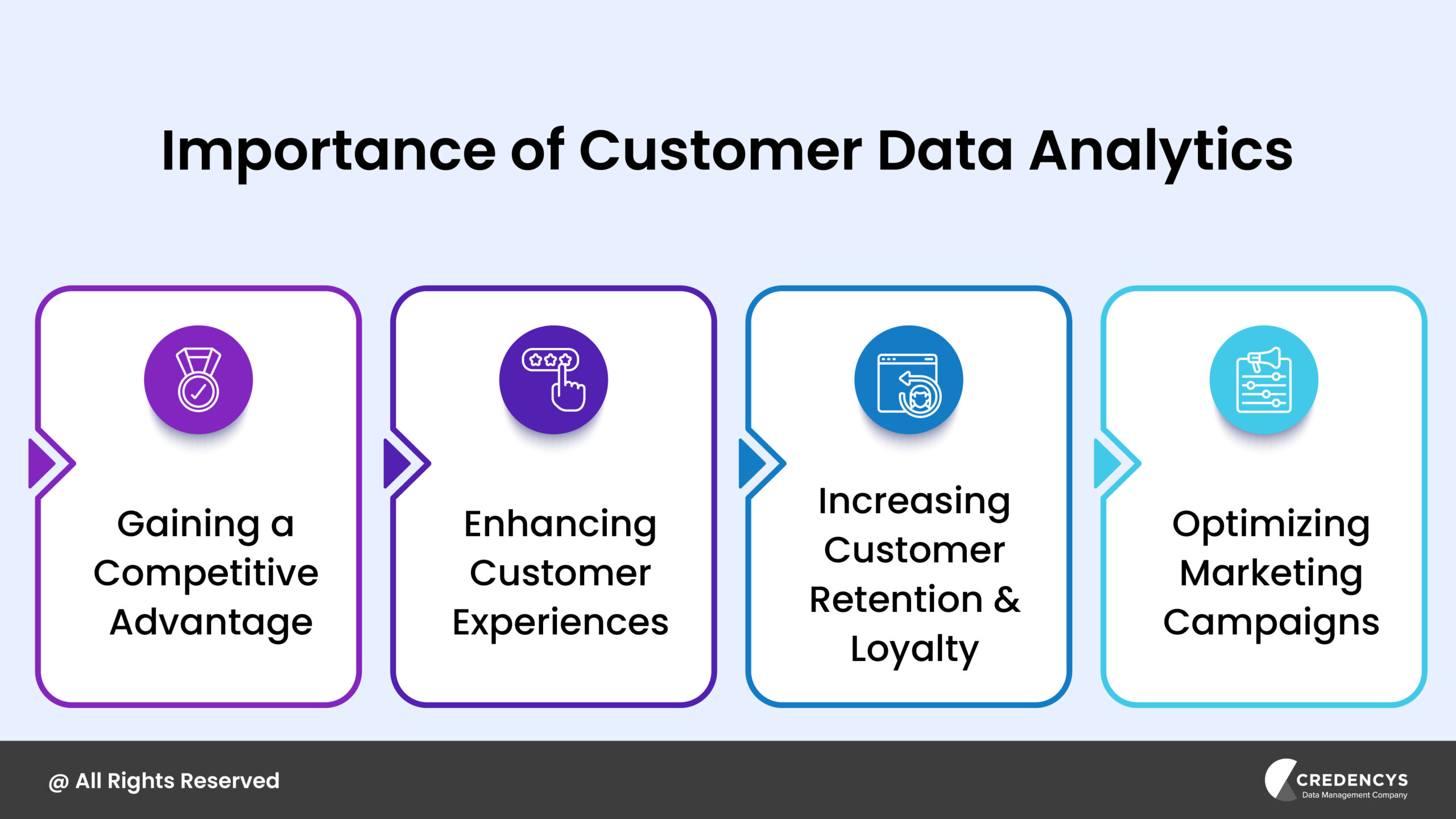
1. Gaining a Competitive Advantage
- Businesses that leverage analytics can identify emerging trends faster than competitors.
- Understanding customer needs in advance allows companies to refine products, services, and pricing strategies.
2. Enhancing Customer Experiences
- Analyzing customer interactions helps businesses personalize experiences, ensuring customers receive relevant product recommendations, content, and offers.
- Businesses can identify customer pain points and optimize their journey for a seamless experience.
3. Increasing Customer Retention & Loyalty
- By tracking customer behavior, companies can predict churn and take proactive measures to retain customers.
- Personalized engagement strategies, such as targeted promotions or loyalty programs, improve customer satisfaction and long-term relationships.
4. Optimizing Marketing Campaigns
- With data-driven insights, businesses can segment customers based on demographics, preferences, and purchasing history to deliver highly targeted marketing campaigns.
- It helps improve marketing ROI by reducing ad spend wastage and increasing conversion rates.

Unlock the Full Potential of your Customer Data to Drive Growth and Build Lasting Relationships. Start Leveraging Customer Data Analytics Today
How Customer Data Analytics Works
Customer data analytics follows a structured process to transform raw data into actionable insights. This involves multiple stages, from data collection to analysis and implementation.
Here’s a breakdown of how it works:
1. Data Identification
Before analyzing customer behavior, businesses must determine which data points are most relevant. Common types of customer data include:
- Demographic Data: Age, gender, location, income, etc.
- Behavioral Data: Website visits, purchase history, interactions with ads.
- Transactional Data: Order frequency, average order value, cart abandonment rate.
- Feedback Data: Customer reviews, survey responses, support queries.
2. Data Collection
Customer data is gathered from multiple sources, such as:
- Web & Mobile Analytics: Google Analytics, mobile app tracking.
- CRM Systems: Salesforce, HubSpot, or other customer relationship management platforms.
- Marketing Platforms: Email campaigns, social media interactions, and online ads.
- Customer Service Tools: Chatbots, support tickets, and call center logs.
3. Data Organization & Storage
Once collected, the data needs to be structured and stored for easy access. Businesses use:
- Customer Data Platforms: Unifying data from various sources into a single customer profile.
- Data Warehouses & Lakes: Centralized storage for large datasets, enabling deep analysis.
4. Data Analysis & Insights Generation
With the help of AI and machine learning, businesses can:
- Identify patterns and trends in customer behavior.
- Segment customers based on preferences and purchase habits.
- Predict future actions, such as churn risk or purchase likelihood.
5. Actionable Implementation
The final step is applying the insights gained to improve business strategies:
- Personalized marketing: Tailoring content, promotions, and ads to specific customer segments.
- Optimized customer service: Enhancing support channels based on customer interactions.
- Product development: Refining products or services based on customer feedback.
By following this structured approach, businesses can unlock the true potential of customer data analytics.
Types of Customer Data Analytics
Customer data analytics can be categorized into four main types, each serving a distinct purpose in understanding customer behavior and making data-driven decisions.
1. Descriptive Analytics – What Happened?
Descriptive analytics focuses on past customer behavior by analyzing historical data. It helps businesses identify trends and patterns, providing a clear picture of how customers have interacted with products, services, or marketing campaigns.
For instance, retailers can use descriptive analytics to track monthly revenue and customer engagement metrics, helping them recognize seasonal shopping trends and adjust their strategies accordingly.
2. Diagnostic Analytics – Why Did It Happen?
Diagnostic analytics goes a step further by examining the reasons behind specific customer behaviors. If an eCommerce platform experiences a sudden drop in website traffic, diagnostic analytics helps identify potential causes, such as a recent website update, slow loading speeds, or increased competition.
By understanding the underlying factors behind customer actions, businesses can refine their strategies to improve user experiences and minimize issues like shopping cart abandonment.
3. Predictive Analytics – What Might Happen?
Predictive analytics uses machine learning and statistical models to forecast future customer behaviors. Businesses can anticipate trends and take proactive actions based on insights from past data.
For example, a streaming service can analyze a user’s viewing history to predict which shows they are likely to watch next, enhancing content recommendations. Similarly, retailers leverage predictive analytics to estimate future demand for products, ensuring they have the right inventory levels to meet customer expectations.
Stay Ahead of Customer Needs with Predictive Analytics. Leverage Data-Driven Insights to Enhance Experiences and Optimize Business Strategies
4. Prescriptive Analytics – What Should Be Done?
Prescriptive analytics not only predicts future outcomes but also suggests the best course of action to achieve desired results. It uses AI and advanced algorithms to provide data-driven recommendations for decision-making.
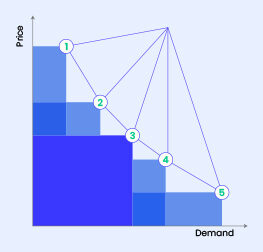
A ride-sharing company, for instance, might use prescriptive analytics to adjust pricing strategies based on demand, time of day, and weather conditions. Businesses can also use it to personalize marketing campaigns, offering targeted promotions that align with individual customer preferences and behavior.
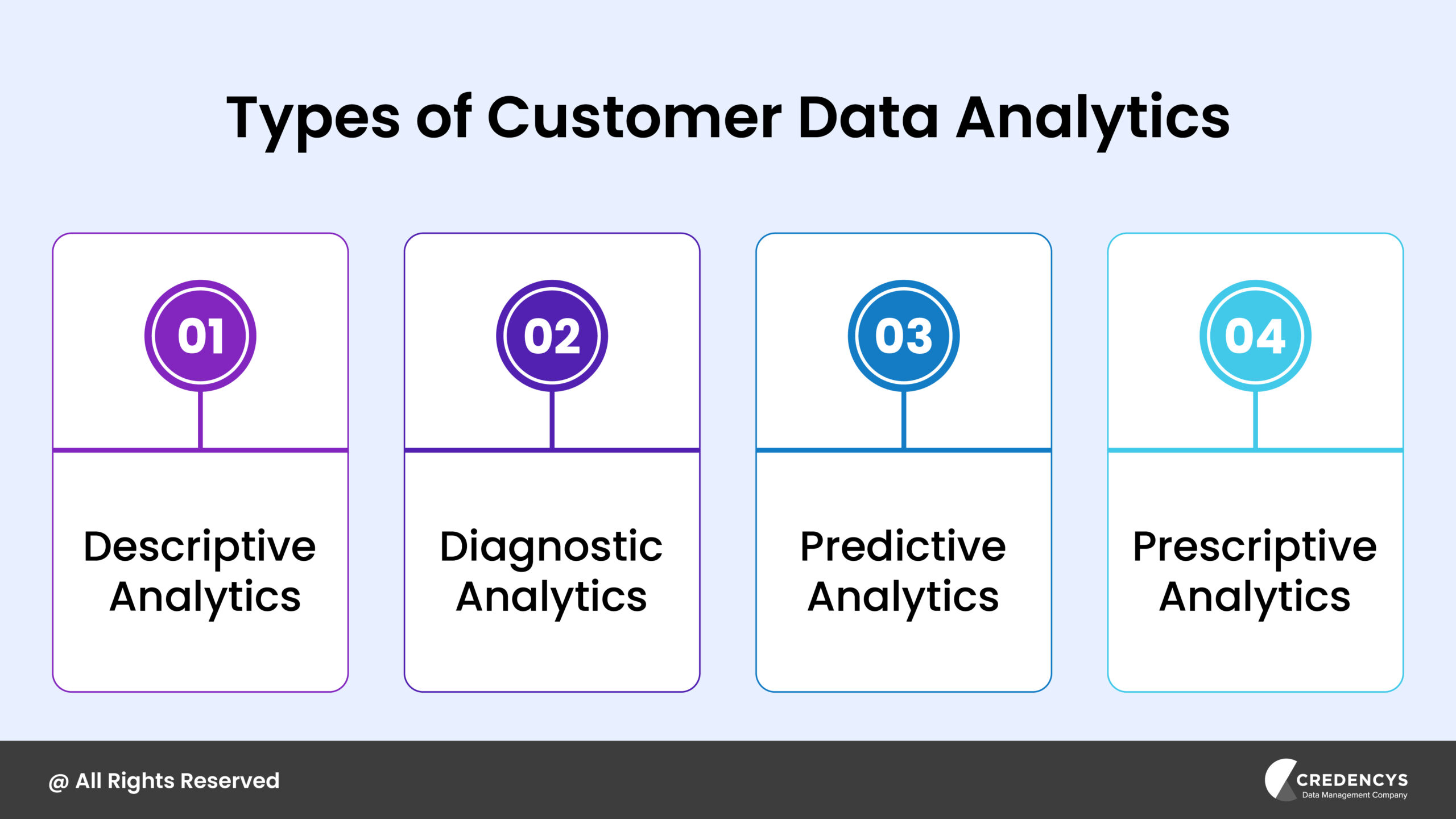
Each type of customer analytics plays a crucial role in helping businesses understand, predict, and optimize customer interactions. In the next section, we will explore the common challenges organizations face when implementing customer data analytics and strategies to overcome them.
Real-World Applications of Customer Data Analytics
Customer data analytics is transforming industries by enabling businesses to make data-driven decisions, enhance customer experiences, and improve operational efficiency. Here’s how it is being used across retail, manufacturing, grocery, and automotive sectors:
1. Automotive: Predictive Maintenance and Customer Experience Enhancement
Automotive companies use analytics to improve vehicle performance, enhance customer experience, and drive sales. By collecting data from connected cars, service history, and driving patterns, manufacturers can predict maintenance needs, reducing breakdown risks.
Dealerships leverage analytics to personalize offers and recommend financing options based on a customer’s purchase history and preferences.
2. Grocery: Optimized Inventory Management and Personalized Offers
Grocery retailers use data analytics to track buying patterns, manage perishable goods, and optimize inventory levels. By analyzing point-of-sale data, online orders, and seasonal trends, stores can reduce food waste and improve stock availability.
Supermarkets also use customer segmentation to offer personalized discounts and loyalty rewards, encouraging repeat purchases and increasing sales.
3. Manufacturing: Supply Chain Optimization and Product Customization
In manufacturing, customer data analytics helps improve supply chain efficiency and product innovation. By analyzing customer demand trends and supplier performance, manufacturers can optimize inventory levels, reduce waste, and streamline production processes.
Additionally, businesses use customer feedback and IoT data from smart devices to design customized products that meet specific market needs.
4. Retail: Personalized Shopping Experiences and Demand Forecasting
Retailers use customer analytics to understand shopping behaviors, optimize pricing, and enhance marketing efforts. By analyzing purchase history, online browsing patterns, and loyalty program data, businesses can deliver personalized product recommendations and targeted promotions.
Leading retailers leverage predictive analytics to forecast demand and prevent stockouts, ensuring they always have the right inventory available.
By harnessing the power of customer data analytics, businesses in these sectors can optimize operations, enhance customer satisfaction, and boost profitability.
Leveraging the Power of Customer Data Analytics
Customer data analytics has become a critical tool for businesses looking to enhance customer experiences, optimize operations, and drive growth. By leveraging descriptive, diagnostic, predictive, and prescriptive analytics, companies can gain valuable insights into customer behavior, enabling data-driven decision-making.
To stay ahead in the data-driven business landscape, companies must invest in the right technologies, build a strong data strategy, and prioritize customer-centric decision-making. The future of customer data analytics is about turning insights into action to create meaningful, long-term customer relationships.
Harness the Power of Customer Data Analytics to Drive Growth, Enhance Personalization, and Make Smarter Business Decisions. Start Transforming your Data Today




Tags: