

How Much Does a PIM System Cost?
There is no single price for implementing a Product Information Management system. The total PIM investment depends on the platform you select, and the amount of work required to prepare your product data, configure the solution, migrate existing information, integrate enterprise systems, establish workflows, and launch the required channels.
A relatively straightforward implementation with clean data and limited integrations will require significantly less investment than an enterprise PIM program involving complex product models, multiple systems, global markets, advanced workflows, and large-scale migration. For that reason, PIM pricing should be evaluated based on your actual product-data environment rather than a generic software price. For a quick estimate for your own catalog, try our free PIM cost calculator.
Calculate My PIM Cost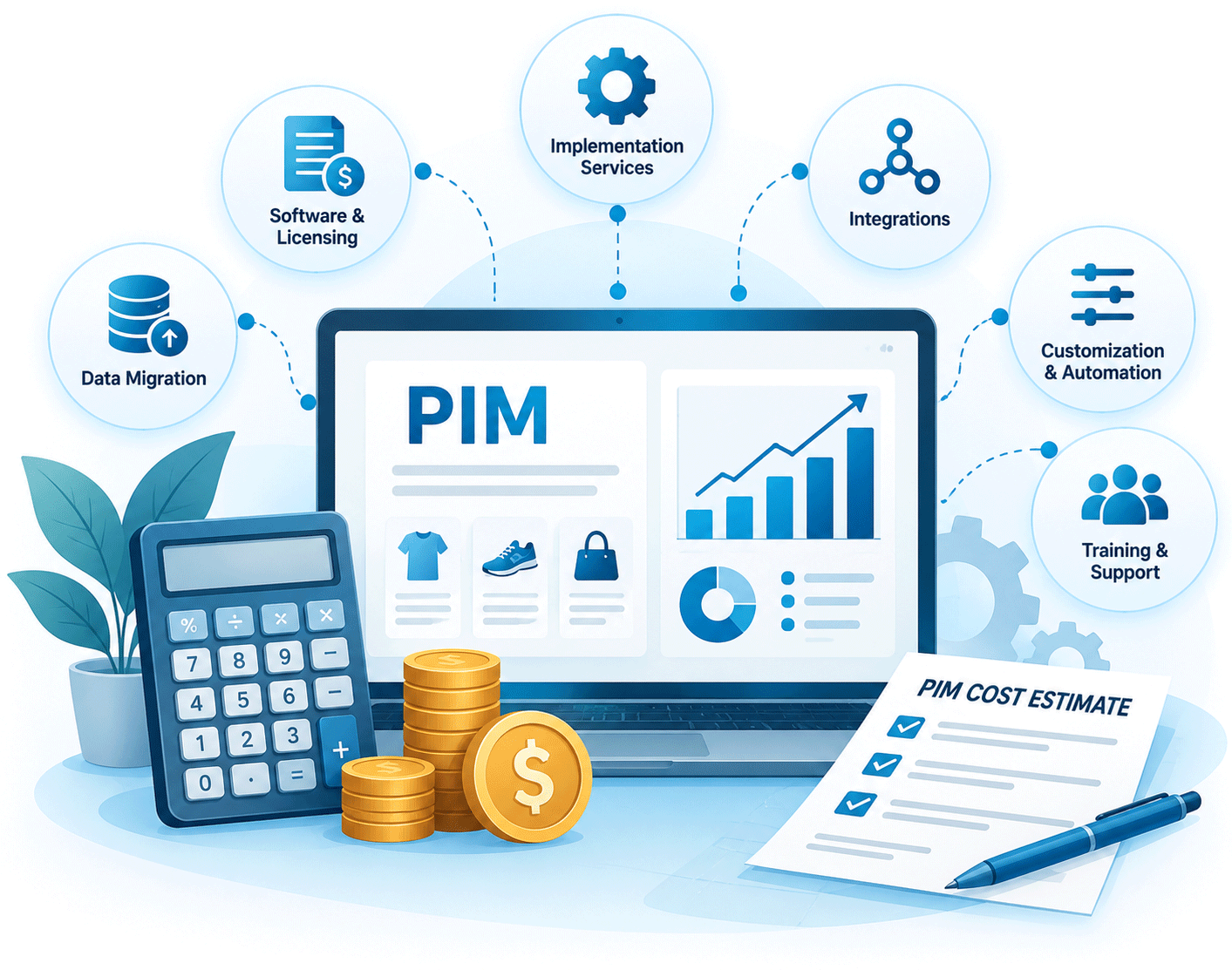
What Goes into the Cost of PIM?
PIM pricing becomes easier to understand when the investment is separated into the components required to build and operate the solution.
Pricing may be influenced by:
- Number of users
- Number of products or SKUs
- Product-data volume
- Digital assets
- Modules and capabilities
- Number of environments
- Markets and languages
- Syndication requirements
- Hosting model
- Support level
Software licensing is only one part of the total PIM investment.
Implementation may include:
- Business and technical discovery
- Solution architecture
- Product-data modeling
- Taxonomy design
- Attribute management
- Product relationships
- Roles and permissions
- Workflows and approvals
- Data-quality rules
- Channel configuration
- Testing
- Deployment
- User training
The more complex the organization, product catalog, and operating model, the greater the implementation effort.
Migration effort can include:
- Source-data assessment
- Data profiling
- Deduplication
- Attribute standardization
- Taxonomy mapping
- Unit normalization
- Data transformation
- Product-relationship mapping
- Validation
- Reconciliation
- Test migrations
- Production migration
Poorly structured legacy data can significantly increase implementation effort.
Common integrations include:
- ERP
- DAM
- PLM
- MDM
- eCommerce
- Marketplaces
- CMS
- CRM
- Supplier portals
- Search platforms
- Data warehouses
- Middleware
- Custom applications
Integration cost depends on API availability, data volumes, frequency, transformation requirements, business logic, error handling, and whether standard connectors can be used.
Others require specialized:
- Approval workflows
- Data-quality rules
- Supplier onboarding processes
- Product configuration
- Completeness logic
- Localization workflows
- Custom interfaces
- Dashboards
- Automation
- Channel transformation rules
- Business-specific integrations
The goal should not be to customize everything. A well-designed PIM implementation uses standard platform capabilities wherever possible and customizes only where it creates meaningful business value.
Ongoing investment may include:
- User training
- Production support
- Data-quality improvements
- New product categories
- Additional integrations
- New markets
- New languages
- New channels
- Workflow optimization
- Platform upgrades
- Performance improvements
These costs should be considered when calculating the long-term total cost of ownership.
Key Factors That Influence PIM Implementation Cost
No two PIM implementations have exactly the same scope. The final investment depends on the complexity of your product data, systems, integrations, workflows, channels, and operating model.
Number of Products & SKUs
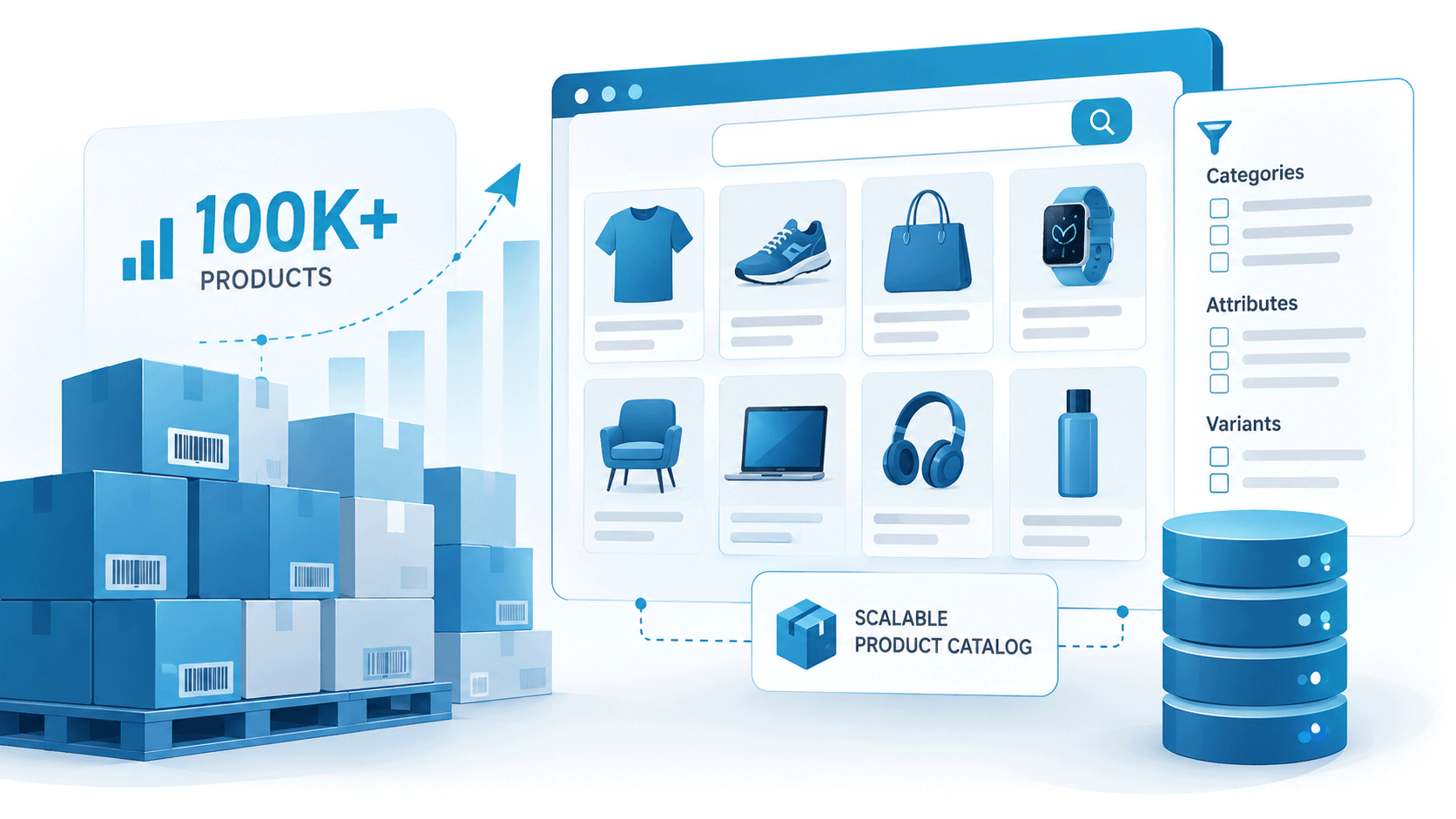
The size of your product catalog directly affects migration, enrichment, validation, testing, and performance requirements. Managing 20,000 relatively simple products requires a different level of effort than managing millions of SKUs, variants, and related product records.
Product Data Complexity
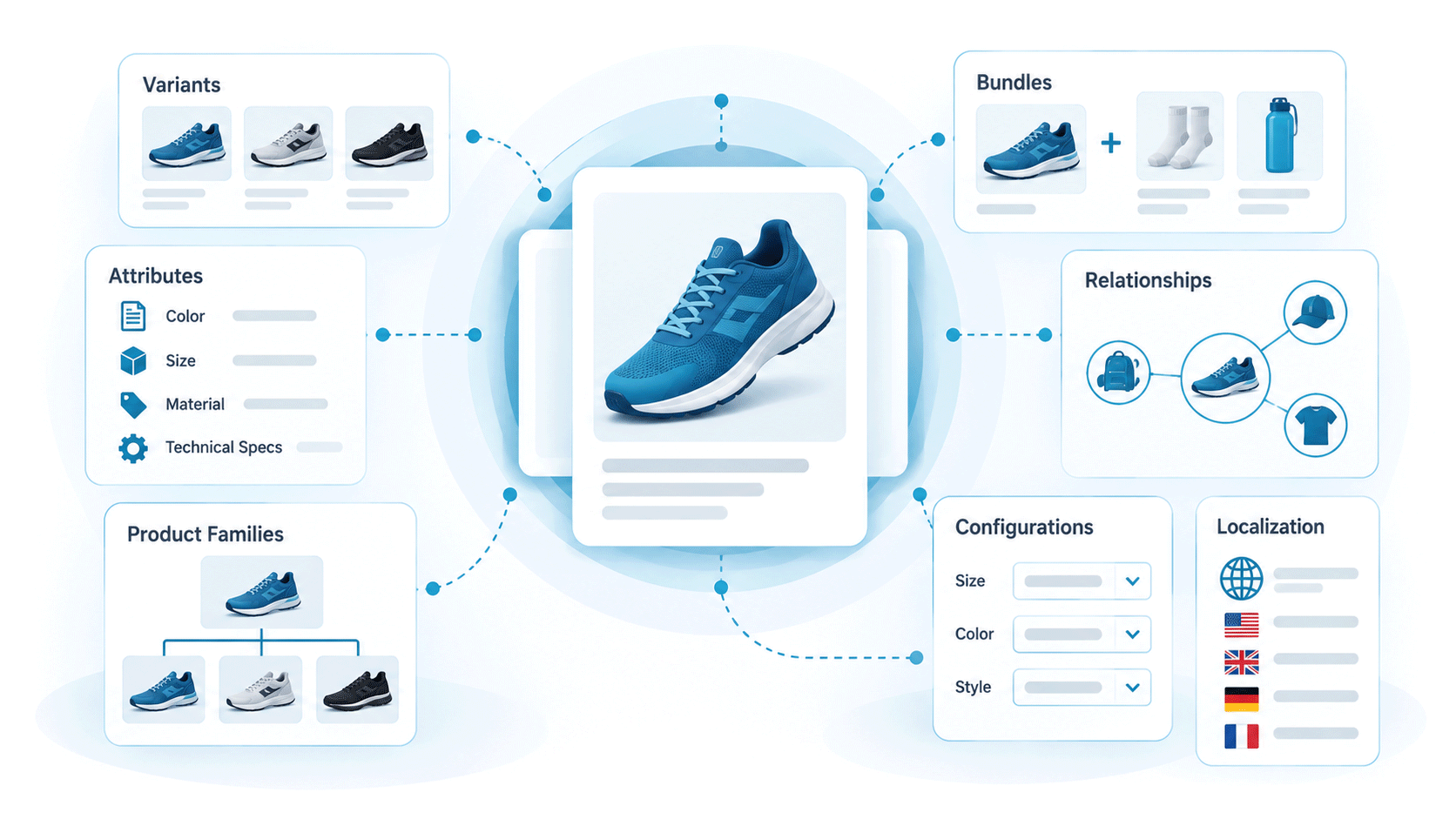
Implementation effort increases as product structures become more sophisticated. Product families, variants, bundles, configurable products, accessories, compatibility relationships, replacements, hierarchies, and technical specifications all require more detailed data modeling and governance.
Current Product Data Quality
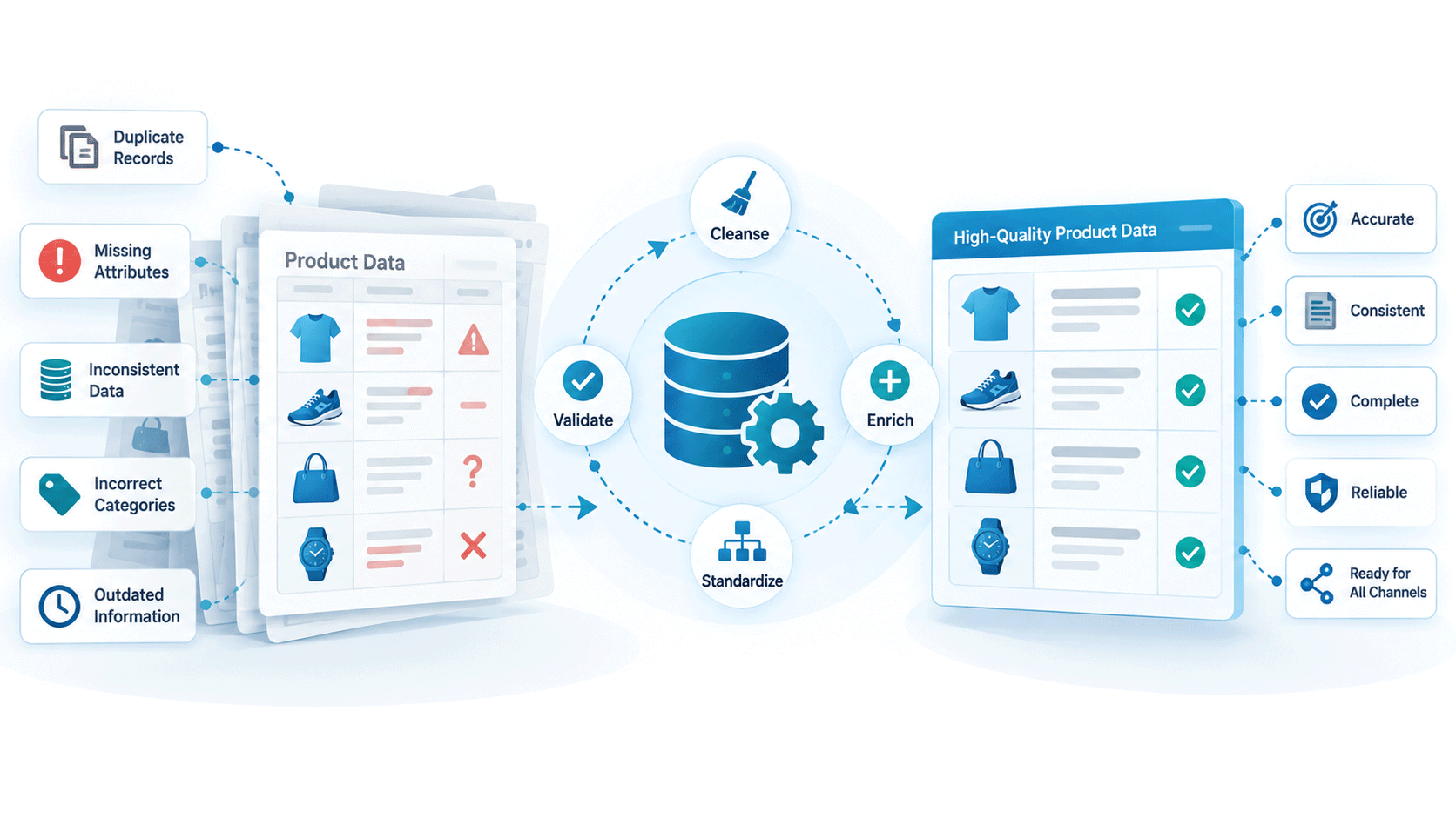
Clean and standardized product information is easier and less expensive to migrate. Duplicate records, missing attributes, conflicting values, inconsistent units, incorrect categories, incomplete relationships, and obsolete data increase the amount of cleansing, transformation, and validation required before migration.
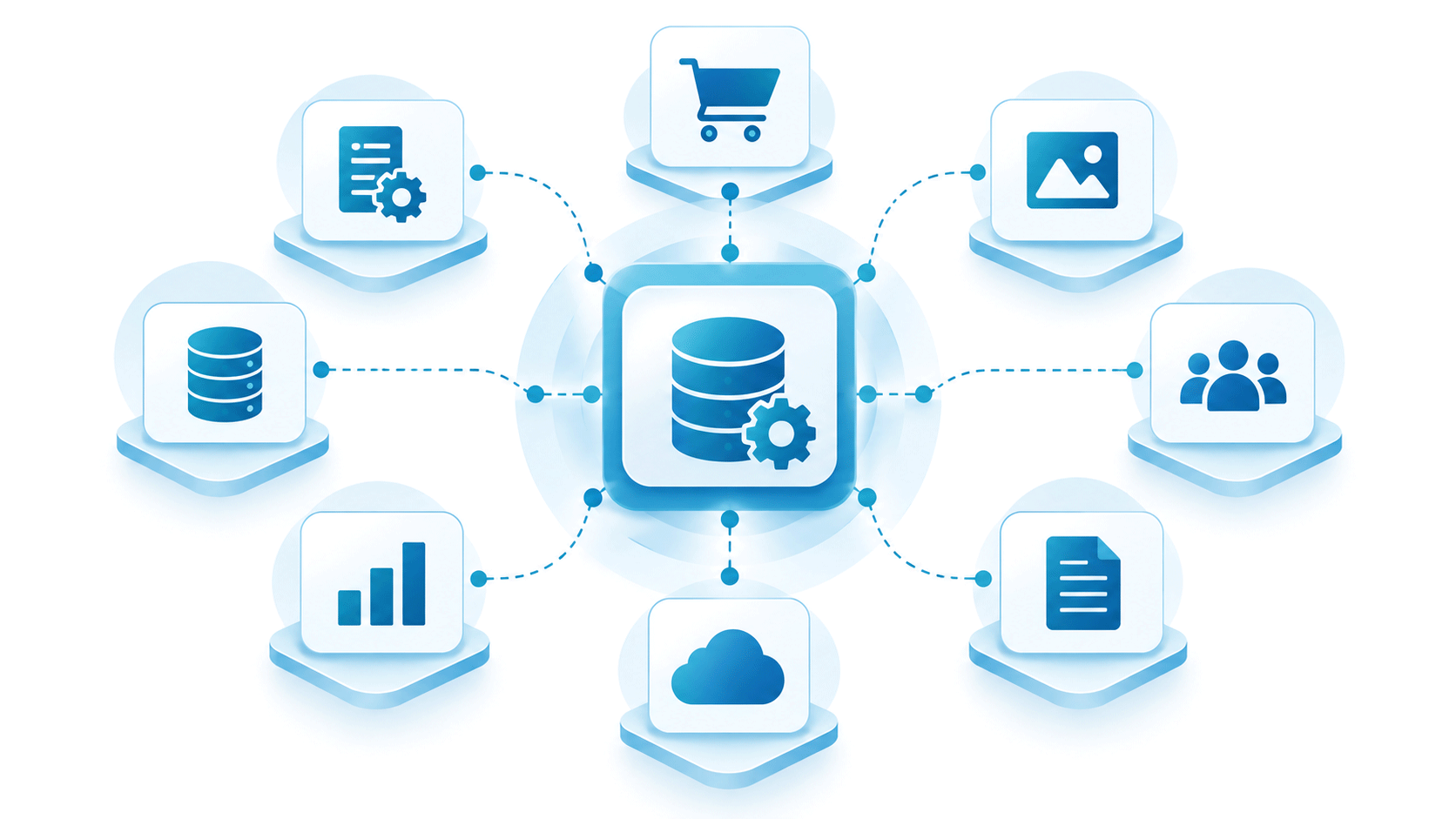
Number of Integrations
The more systems connected to PIM, the greater the architecture, development, mapping, testing, monitoring, and maintenance effort. Integrations with ERP, DAM, PLM, eCommerce, marketplaces, CMS, supplier systems, data warehouses, and other enterprise applications can significantly influence implementation cost.
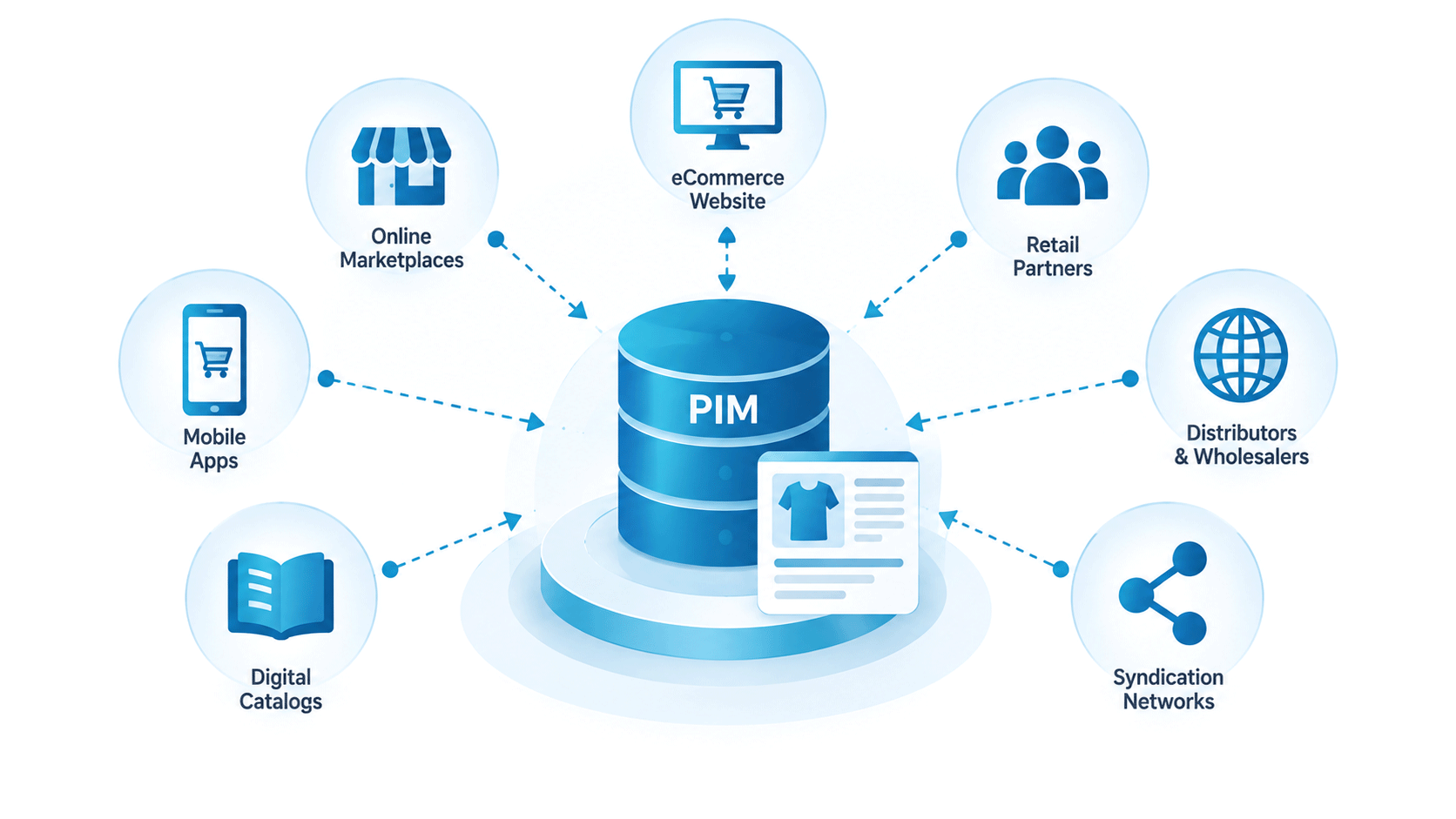
Number of Channels
Publishing product information to a single website is considerably simpler than supporting multiple eCommerce sites, marketplaces, retailers, distributors, B2B portals, regional websites, catalogs, and syndication networks. Each channel may require different taxonomies, attributes, formats, validation rules, and content.
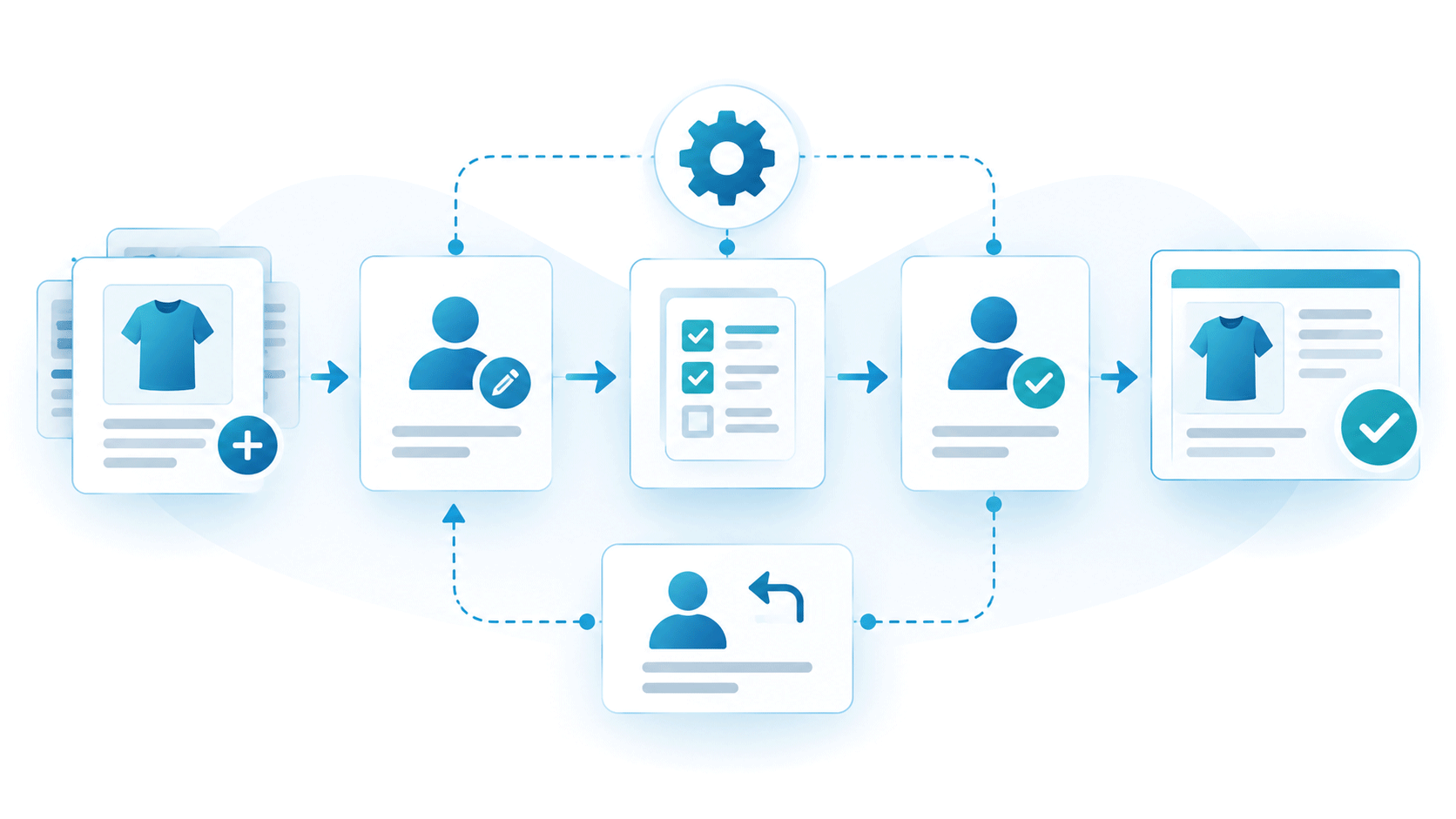
Business Workflows
Implementation cost depends on how product information moves through the organization. Simple enrichment and approval processes require less configuration than multi-stage workflows involving suppliers, product teams, marketing, regulatory teams, regional teams, eCommerce teams, and data-governance stakeholders.
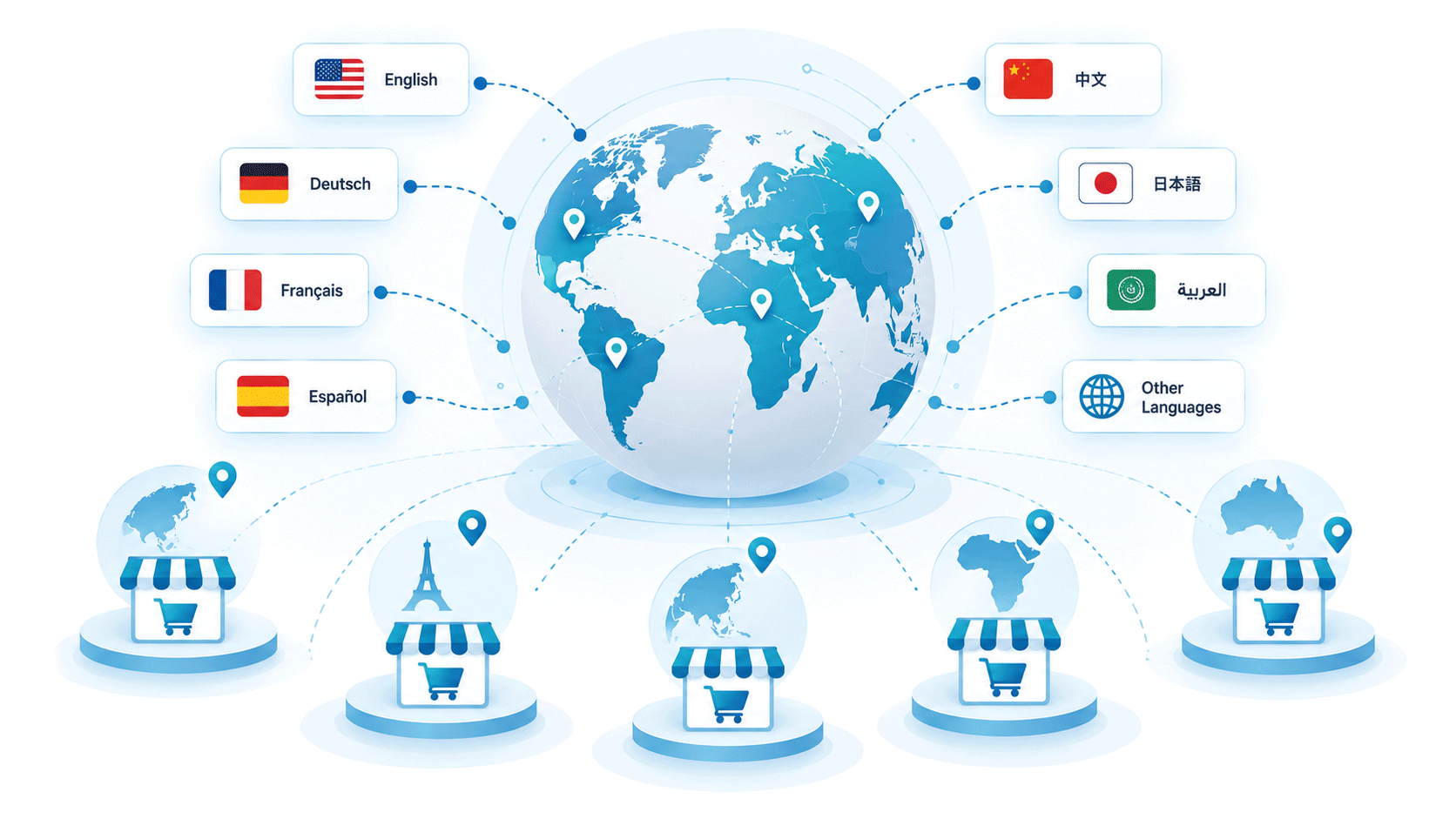
Markets & Languages
Global PIM implementations typically require additional capabilities for translations, localized content, regional assortments, market-specific attributes, regulatory information, units of measure, and country-specific product requirements. The number of markets and languages therefore affects both implementation effort and ongoing governance.
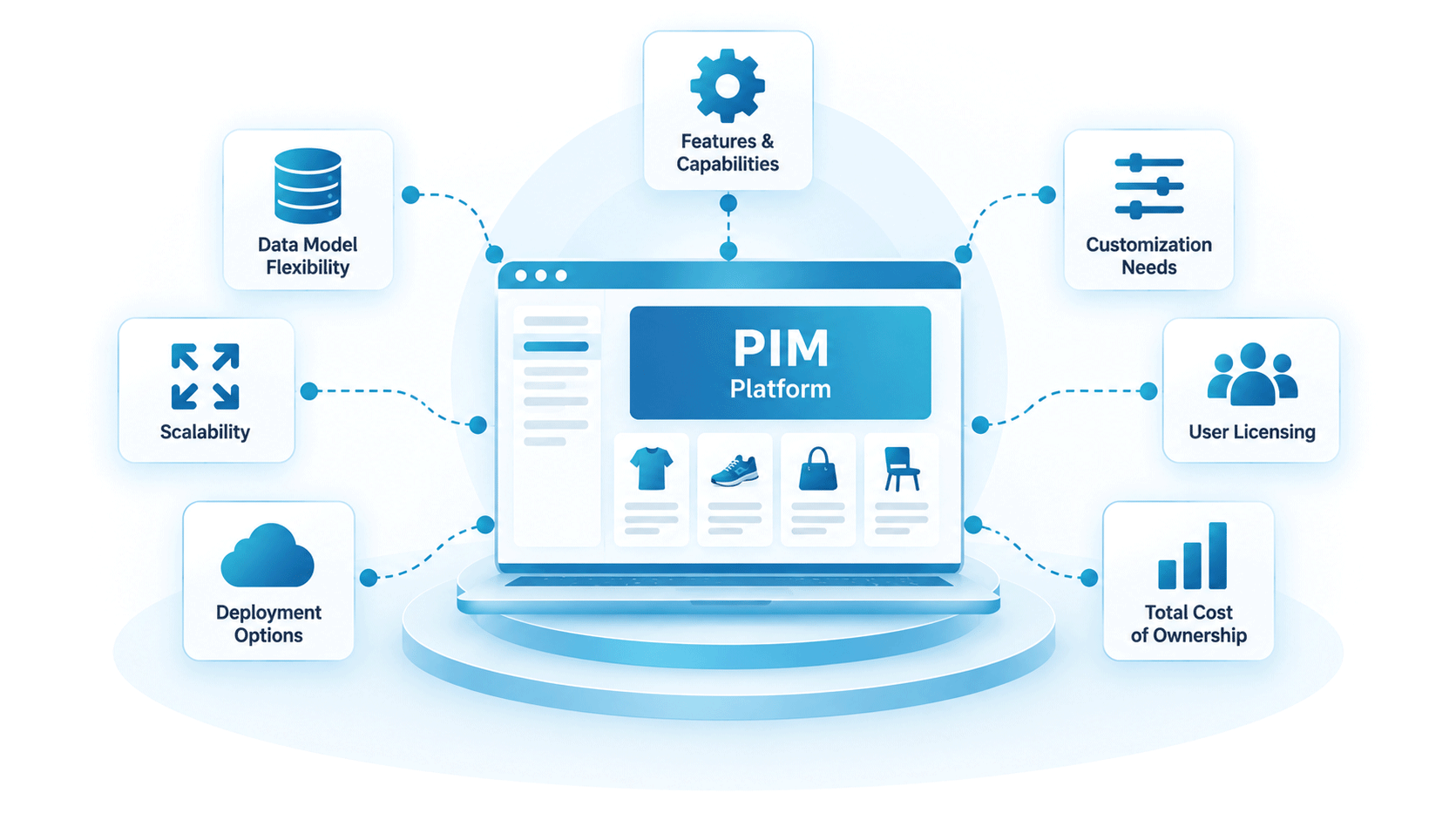
PIM Platform
Different PIM platforms have different licensing models, configuration capabilities, integration frameworks, modules, hosting options, and customization requirements. The right platform should therefore be evaluated based on overall business fit and total cost of ownership rather than software price alone. For one worked example, see Pimcore pricing explained edition by edition.
PIM Implementation Cost by Project Complexity
The easiest way to understand PIM implementation cost is to consider the complexity of the environment being implemented.
Requirement
Focused PIM Implementation
Multi-System PIM Implementation
Enterprise PIM Transformation
Product catalog
Limited to moderate
Large or complex
Enterprise-scale
Data sources
Few
Multiple
Multiple global systems
Product relationships
Basic
Moderate/complex
Highly complex
Integrations
Limited
ERP + commerce + DAM, etc.
Multiple enterprise platforms
Channels
Few
Multiple
Omnichannel/global
Markets
Usually limited
Multiple
Multi-region/global
Languages
Limited
Multiple
Large-scale localization
Workflows
Basic
Multi-team
Enterprise governance
Migration
Structured
Multiple sources
Legacy and complex
Customization
Limited
Moderate
Advanced
Cost profile
Lower
Moderate
Higher
This table should be used as a planning framework rather than a fixed price list. Two organizations with the same number of SKUs can have very different implementation costs if one has clean product data and three integrations while the other has fragmented legacy data, complex product relationships, ten systems, and multiple global channels.
Find Out Where Your Project FitsPIM Software Pricing vs. PIM Implementation Cost
Buying PIM software and implementing PIM are two different investments.
PIM Software Pricing
This is the cost associated with accessing and operating the selected platform. It may include:
License or subscription + hosting + modules + users + support
PIM Implementation Cost
This is the investment required to configure the platform around your organization. It can include:
Discovery + architecture + data model + migration + integrations + workflows + testing + deployment + training See what our PIM implementation services cover.
Understanding the Total Cost of PIM Ownership
PIM budgeting should look beyond the initial implementation.

Your first-year investment may include:
- Software licensing
- Discovery and consulting
- Implementation
- Data migration
- Integrations
- Customization
- Testing
- Training
- Deployment

After launch, organizations may continue investing in:
- Software subscription or support
- Production support
- New integrations
- New channels
- New markets
- Product-data governance
- Platform upgrades
- Enhancements
- Automation
- Optimization
Evaluating both layers gives stakeholders a more realistic view of PIM total cost of ownership. If you want help building the business case, our PIM services team can scope it with you.
How Credencys Helps Control PIM Implementation Cost and Risk
A cost-effective PIM implementation is not necessarily the cheapest implementation. It is one that delivers the required capabilities without unnecessary architecture, customization, or operational complexity.
Scope Before Development
We assess business requirements, data sources, product complexity, integrations, channels, workflows, and governance needs before defining the implementation approach.
Right-Sized Architecture
We design the PIM around actual product-data and business requirements rather than implementing capabilities that provide little operational value.
Data Quality Before Migration
We identify duplicate, incomplete, and inconsistent data before production migration to reduce downstream remediation.
Phased PIM Implementation
Where appropriate, implementation can be structured around priority product categories, systems, channels, markets, or business units. This helps organizations deliver value earlier without introducing unnecessary big-bang complexity.
Integration Planning
We define system ownership, data flows, interfaces, transformation logic, and synchronization requirements before building integrations.
Automation-First Workflows
Validation, completeness checks, bulk operations, enrichment workflows, integrations, and AI-assisted processes can reduce repetitive product-data work where appropriate.
Our PIM Cost Estimation Framework
Credencys evaluates the complete product-data environment before recommending implementation effort.
Discovery
Understand business objectives, product catalog, data challenges, existing systems, markets, channels, users, and implementation priorities.
Product Data Assessment
Evaluate product structure, attributes, taxonomies, relationships, data quality, migration sources, and governance requirements.
Solution Architecture
Define the PIM architecture, product model, integrations, workflows, channel requirements, and deployment approach.
Effort & Cost Estimate
Estimate the implementation effort based on identified scope, technical complexity, migration requirements, integrations, and delivery model.
Implementation Roadmap
Prioritize implementation phases, dependencies, business outcomes, and rollout milestones.
Estimate Your PIM Implementation Cost
Generic pricing tables can only tell you so much. Your actual PIM investment depends on your catalog, data environment, integrations, channels, users, and implementation requirements.
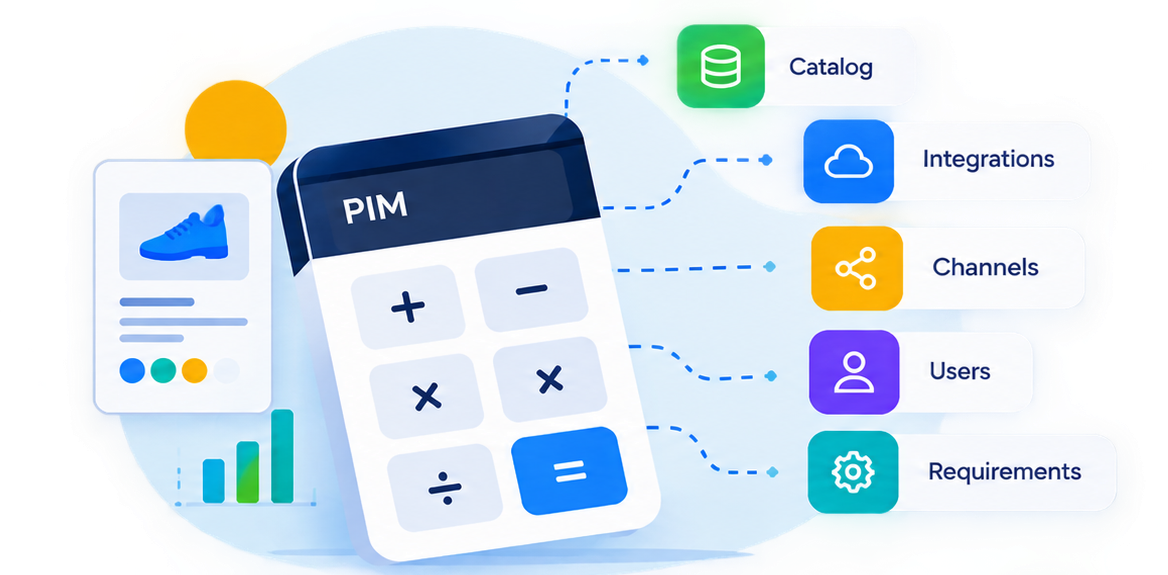
Use the Credencys PIM Cost Calculator to provide your project details and receive a customized recommendation based on your requirements.

Step 1
Share Your
Requirements
Answer a few questions about your PIM initiative.

Step 2
Get a Tailored
Assessment
Our experts review the information and determine the solution requirements.

Step 3
Receive Your
Recommendation
Receive a customized solution plan based on your PIM needs.
How to Evaluate the ROI of PIM
PIM investment should be evaluated against the operational and commercial problems it is expected to solve. Potential sources of return include:
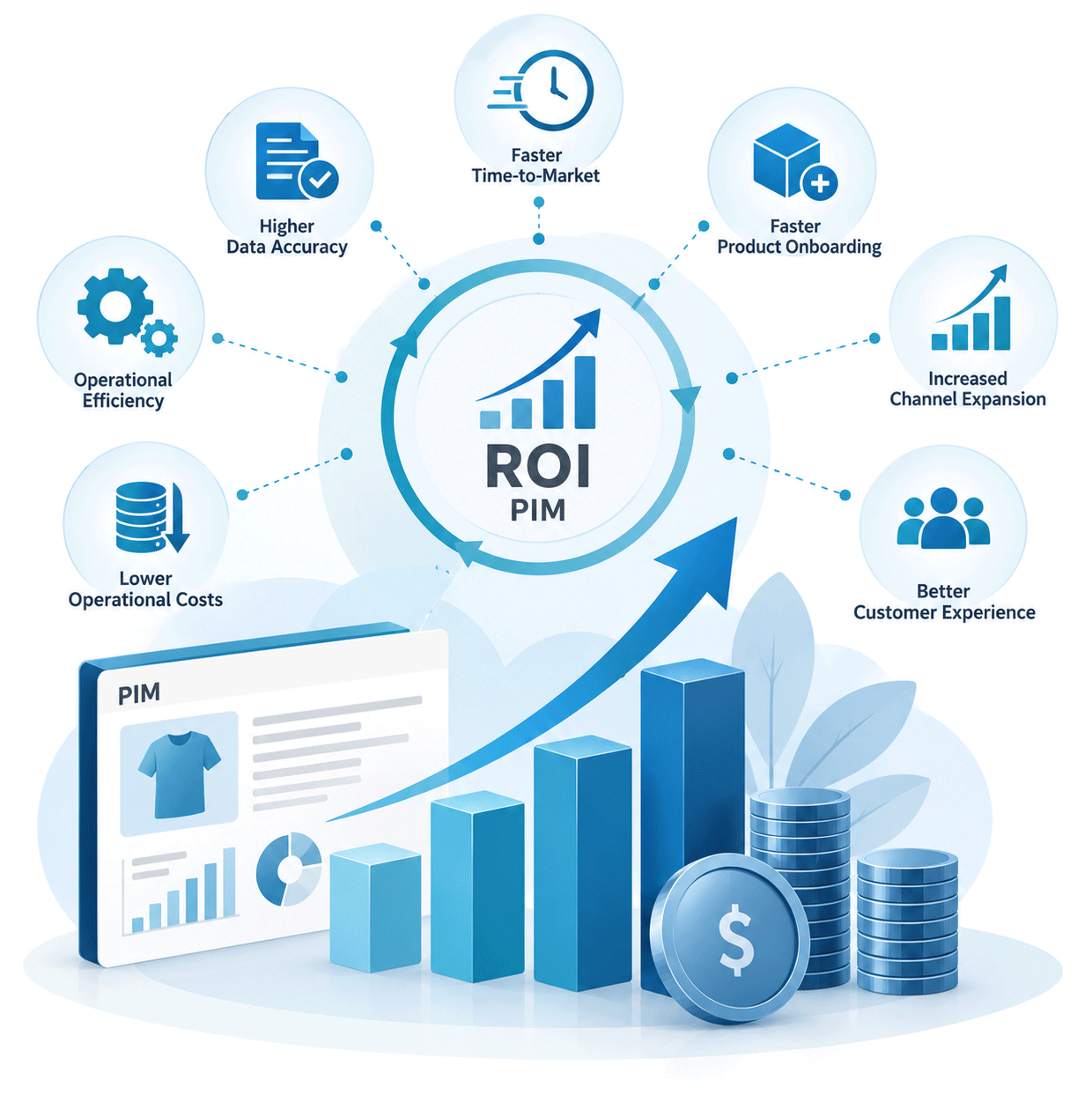
Lower Product Data Management Cost
Reduce repetitive manual enrichment, spreadsheet maintenance, reformatting, and duplicate product-data work.
Faster Product Onboarding
Shorten the time required to collect, validate, enrich, approve, and publish new products.
Faster Time-to-Market
Launch products, categories, channels, and markets with less manual preparation.
Fewer Product Data Errors
Use validation and governance to reduce downstream corrections, rejected feeds, and inconsistent product information.
Lower Catalog Maintenance Effort
Maintain product information centrally rather than managing separate records for every destination.
Faster Channel Expansion
Reuse governed product information when adding marketplaces, retailers, websites, or B2B channels.
Better Product Data Completeness
Give commerce, sales, marketplaces, and customers more complete product information.
A Simple PIM ROI Framework
PIM ROI = Operational Savings + Commercial Impact + Avoided Data Costs − Total PIM Investment
The financial model should be based on measurable baseline metrics from your current product-data operations.
Real Business Impact from PIM Implementation
Custom Bathroom Products Manufacturer
55%
Reduction in Overhead Costs
Credencys implemented a centralized PIM solution to replace spreadsheet-driven product-data management, establish complex compatibility relationships, automate catalog creation, and syndicate governed product information to a customer-facing product visualizer.
Read MoreLeading Automotive Aftermarket Retailer
50%
Improvement in Data Compliance
Credencys implemented a centralized PIM solution to consolidate fragmented product information, automate ACES and PIES validation, improve taxonomy management, and streamline product-data syndication to distributors and trading partners.
Read MoreLeading Omni-Channel Retail Enterprise
80%
Reduction in Pricing Update Time
Credencys implemented an enterprise product-data environment to improve product lifecycle management, data validation, access control, channel synchronization, and operational efficiency across physical and digital retail operations.
Read MoreFrequently Asked Questions
PIM cost varies based on the software platform, product volume, users, data complexity, integrations, migration requirements, channels, workflows, customization, and support model. A useful PIM budget should therefore include both software pricing and the cost of implementing and operating the solution.
There is no universal PIM implementation price. A focused implementation with clean product data and few integrations requires significantly less effort than an enterprise program involving millions of products, complex relationships, legacy migration, global markets, multiple workflows, and numerous enterprise integrations.
A scope assessment is the most reliable way to determine implementation cost.
For a first range in two minutes, try our free PIM cost calculator, or book a free PIM assessment for an estimate based on your actual scope.
PIM implementation can include discovery, architecture, product-data modeling, taxonomy design, configuration, migration, integrations, workflows, validation rules, testing, deployment, training, and post-launch support. The exact scope depends on the organization’s requirements.
The most important cost drivers typically include:
- PIM platform
- Product and SKU volume
- Product-data complexity
- Current data quality
- Migration complexity
- Number of integrations
- Number of channels
- Markets and languages
- Workflow complexity
- Customization
- Users
- Support requirements
It depends on the PIM vendor. Some platforms price according to users, products, records, modules, usage, storage, channels, or a combination of factors.
Software pricing should therefore be evaluated separately from implementation cost.
Get a PIM Cost Estimate Based on Your Requirements
Tell us about your products, systems, integrations, channels, workflows, and implementation goals. Our experts will assess the requirements and help you determine the right PIM approach and expected level of investment.
Calculate My PIM CostTrusted by Best
Choosing Credencys means partnering with a team that’s deeply committed to unlocking the true value of your data. Here’s why industry leaders trust us:
Our Valued Clientele


Send us a Message
