Selfie App Development: 5 Features of Best Selfie Apps to Implement!

Nowadays, the majority of people are obsessed with clicking selfies everywhere they go.

In fact, you’ll be surprised to know that there are 4 million selfies are taken by people in just an hour.

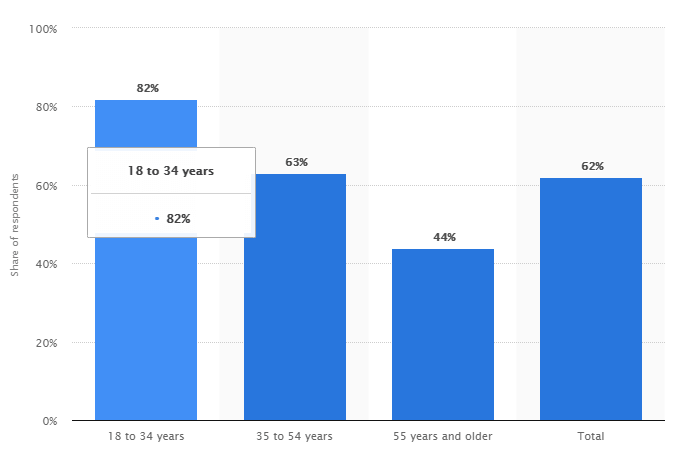
According to a survey conducted by statista.com, 82% of U.S. adults aged 18 to 34 years had taken a photograph of themselves and uploaded it to a social media website.
selfie-app

These data from surveys around the world prove that selfie apps are in huge demand.

So, if you’re still wondering whether or not to go for selfie app development in 2022, we think that you definitely should.

Selfie apps are all rage right now. From taking beautiful selfies to photo-editing and photo enhancement, there are lots of selfie apps with unique features out in the market.

Below, we’ve listed some of the best selfie apps that are insanely popular in the market right now.

List of Top Selfie Apps for Android

Candy Camera – Selfie, Beauty Camera, Photo Editor

Candy camera is one of the most well-known selfie android application, offering real-time filters with swipe-enabled filter options to make your selfies more attractive. This selfie application comes with numerous beauty functions like lipstick, blush, slimming, concealer to beautify your selfie.

candy

In this application, you will find the coolest collection of stickers and collage along with some creative filters like EveryDay, SweetCandy, FreshFace, Rainyday and so on. It also allows you to add frames to your snapshots to make it more beautiful.

YouCam Perfect

YouCam is considered as a perfect selfie beauty application, having amazing editing tools for enhancing the person’s natural beauty. This application has 6 beautification levels to make snap beautify after clicking it.

YouCam Perfect Selfie Photo Editor – Apps on Google Play

As per businesswire.com, more than 30 million selfies are taken daily and over 800 million minutes spent every month taking photos with YouCam Apps. This application has real-time skin beautifying effects in beauty camera & video selfies that create selfie with short videos. It also uses coolest filters for better Vine videos.

InstaBeauty

InstaBeauty is another popular selfie photo editor for Instagram, Snapchat, Twitter and Facebook. This application comes with 100+ beautiful makeup styles and filters that help you to remove pimples, whiteheads, blackheads, and rosacea to give you a beautiful selfie.

InstaBeauty Makeup Selfie Cam Apps on Google Play

Used by more than 50 million users, InstaBeauty has grid filters, teeth whitening, selfie filters, zoom in the eyes, stylish collage, and many interesting features that the professional selfie app has. Its Quicksnap feature enables you to take lots of self-snapshots and allows you to review each beautified shot to choose the best one.

B612 – Beauty & Filter Camera

B612 is recognized as an ultimate selfie app, having over 1,500 diverse stickers, including facial recognition stickers that twist your face or turn you into a cute animal. This application will choose a filter for you automatically, remember filter choices and make it as smarter suggestions.

B612 Beauty Filter Camera Apps on Google Play

Having a ‘tilt-shift effect‘, this B612 app helps in feigning a shallow depth image. As this app supports the camera’s autofocus technology, it enables users to get sharper images in challenging conditions such as high movement, low light, and so on. B612 also has a collage feature with dozens of options to create 3D pictures.

BestMe Selfie Camera

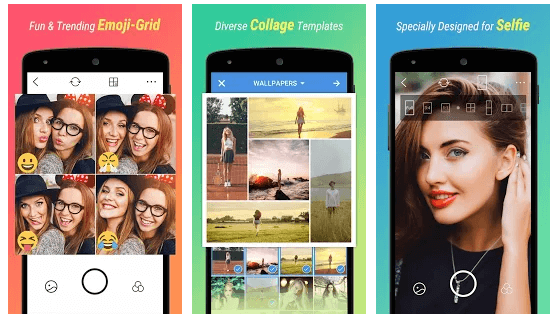
BestMe app comes with amazing 125 real-time filters like halo, mirror, filtergrid, etc. and other 100+ filters and stickers to make snap more attractive. This application has capabilities like face recognition and unique filters like World, Maggie, and Debby that enable users to click awesome selfies.
BestMe Selfie Camera Apps on Google Play

BestMe Selfie Camera app allows users to create real-time collage and users can able to share those collages on social media networks through a wide range of sharing options. Other than this, it has a lot of features and filters like excellent blur effects, vignette options, emoji stickers and more.

So, these are some of the best selfie camera apps for smartphones.

Now, if you want to join the ranks of these best selfie apps, then you also need to build your selfie app with as powerful features as these popular selfie camera apps have.

In this blog, we’ve shared the 5 best features of top selfie apps that you can implement in your selfie app development.

With that being said, let’s dive right in!

Selfie App Development: 5 Must-Have Features

Add Trendy Filters & Stickers

If you’re developing a selfie app, then adding some of the unique and trendy filters in your selfie app is a must. There are many filters like PIP Style, Artistic Filters, Magazine Style, Augmented Reality filters and Live Filters to touch up your selfies in real-time.

stickers YouCam Perfect Best Selfie Photo Editor Apps on Google Play

Image credit: YouCam Perfect

Adding different types of stickers for every occasion, trend, season, etc. enable users to decorate their selfie. It’s best to add the latest and cute stickers and make them resizable and moveable with a multi-touch gesture.

Social Media Integration

Social Media integration is one of the most important features to add in selfie application. Whenever users click a snap, they are looking at different social media platforms like Facebook, Instagram, Snapchat, WhatsApp, VK, LINE, KAKAO, Wechat, or more to share it among their friends.

social integration Sweet Selfie selfie cam beauty cam photo edit Apps on Google Play

Image credit – Sweet Selfie

Having social sharing features enable users to share their snap with just one-two steps on their favorite social networks.

Different Camera Lenses

Not only simple selfie, but also capturing snaps with different camera lenses with loved ones are popular these days. People are capturing the different style of selfies with various camera lenses like Divided lenses, FishEye, Lomo and more.

cameralens - Cymera Camera Collage Selfie Camera Pic Editor Apps on Google Play

Image: cymera

Don’t forget to add some of the important options like anti-shake, timer, touch shooting, out-focusing to make your selfie app stand out from other apps. So, another important feature is to have different camera lenses integrated.

Real-Time Live Videos and GIFs

Do users are looking for a simple selfie app? No. Now, they are looking for an app that captures beautiful selfies and can also capture live videos.

live - video

Image Credit – Retrica

You can create your own selfie app by integrating GIF mode that turns your own created video or collage into a GIF-able moment.

Editing and Filters in Real-time

Another important feature is real-time filters and editing tools. This feature enables user to make a perfect selfie by editing their capture snap, apply whitening, concealer, lipstick, blush, eyeliner, mascara and other beauty tools.

filterPhoto Editor Square Fit Snap Collage Maker Lidow Apps on Google Play

Image credit – Lidow

In addition, you can also add multiple filter options like lens flare, halo, limo, light leak, retro, etc. to enable user to add stylish layers to coat their selfies.

Easy Collage Maker

The last not the least, collage maker feature allows to create cool collage from the user’s gallery. Integrate collage maker feature with rotate, resize photos with simple touch gestures to create the best collages within 10 seconds.

collageYouCam Perfect Best Selfie Photo Editor Apps on Google Play

Image credit – Youcam

Concluding Thoughts…

In this blog, we have listed some of the best selfie applications and their unique features that you can add in your selfie app development.

In addition to these listed features, you can also add features like Object Remover and CutOut, Silent camera, beautify features, and so on to make your app outstanding from others.

Lastly, if you’re searching for the best mobile app development company that can bring your selfie app idea into reality, Contact Credencys.

We have a team of top-notch mobile app developers with a decade long experience in developing 50+ photo and video applications.

If you found this blog helpful, take five minutes to browse our other blogs.

General FAQs on Selfie App Development:

Q:1 – What is the best selfie app?

Ans – There are many selfie apps that are considered best by their users. Specifically, B612, YouCam Perfect, and Candy Camera on top right now.

Q:2 – How do you make selfies look better?

Ans – There are lots of ways to click better selfies such as moving the camera farther away, finding the best angle, turning off the flashlight and setting the white balance and exposure right.

Q:3 – What apps make you look pretty?

Ans – If you’re looking for apps that help you look pretty in pictures, you should try B612, Beauty Booth, and Beauty Plus. They all work wonderfully.

Q:4 – What is the best beauty app?

Ans – Like the best selfie app, there are many beauty apps that are considered best. But we had to choose, then we would recommend, YouCam, The Glam App, and MakeupPlus.


How to Develop an App Like Progressive Insurance App: Top 6 Features to Consider

Do you own an insurance company?

Ever thought of creating an app for your business?

Mobile apps have become an essential element of every business, including the insurance sector. They have transformed the way insurance companies used to operate.

An appropriate mobile solution can help insurance companies by increasing their operational efficiency, improving their business processes, and boosting employee efficacy.

Insurance firms are partnering with insurance app development companies to deliver rich user experience via insurance apps and win their customers.

According to mobile payments today, in 2018, insurance mobile app investment reached $ 1.7 billion.

About Progressive Group

Founded in the year 1937, the Progressive Group of Companies is one of the oldest and most popular insurance companies in the USA. They provide insurance to all kinds of vehicles.

They have also been one of the first insurance companies to adapt to modern technology and created the “Progressive Insurance App.” They were also one of the firsts to introduce low rates for low-risk drivers and introduce an insurance shopping experience for their online customers.

Matt Lehman, their web experience director, said that they saw a steep 30% increase in visits to their mobile websites by Android users soon after the introduction of the Android app. Moreover, the app helped them to win more customers than ever.

Top 6 features to consider for developing an app like Progressive insurance app

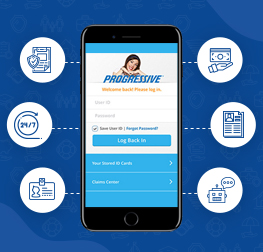
The main aim behind creating an app like Progressive Insurance App is to make the insurance claiming process as simple as possible for customers.

#1 View Policy Information

The mobile app should be able to show all the relevant information regarding the policy taken by customers upon entering the policy number.

Here customers should be able to view the total amount of coverage that a person will get along with the proper distribution of vehicle body parts.

#2 Report and Check Claim Status

There should be a “claim center” that should allow users to report a claim at any time from anywhere. They should be able to take photos from their smartphones and upload them directly to the app as proof.

Moreover, a customer must also be able to check the real-time status of their insurance claim in the app itself.

#3 Pay Bills

To build an app like the Progressive insurance app, it must have a built-in payment gateway through which customers can make direct payments of their policy installments. Providing an auto policy payment can be an icing on the cake.

#4 Roadside Assistance

In case of an accident, the app should have a feature of roadside assistance that would support them during stressful situations.

#5 Save ID Cards

A customer should be able to save the digital copy of their insurance identity card using the app. You can fetch the ID of a customer from their policy number and NAIC number.

#6 Marketing of Other Products

Since your ultimate aim is to generate revenue, you should provide a section in the app that shows all your products, policies, schemes, and more. Moreover, you can also send push notifications to users about discounts, offers, and the latest policy changes.

Bonus Feature: Chatbot

In an era where Artificial Intelligence is taking over human call center executives, Chatbots have become a must-have in every mobile app or website.

Chatbots will replace the requirement of a policy agent by up to 50%. It will help users to get instant answers for their simplest to most complex problems. However, you can still provide an option to talk to an agent in the Chatbot itself.

Benefits of Insurance Apps

  • View policy details, coverages, and ID Cards for your vehicle.
  • Report a claim, take and upload your pictures to it.
  • Contact your policy agents and claim reps.
  • Pay your bill automatically by debit card, credit card, or checking account.
  • View current and upcoming billing information/payment schedule.
  • Monitor your claim progress in real-time.
  • Make policy changes instantly, without human interventions.
  • Access your policy documents on-the-go.
  • Get 24/7 roadside assistance, at the time when you need it the most.
  • Obtain an instant insurance quote for your vehicle.
  • Manage end-to-end vehicle repairs by finding the nearest service center.

Conclusion

Developing an app like Progressive Insurance App has a plethora of benefits. It can eliminate your requirement for agents to some extent, deliver fantastic customer experience, and increase your business opportunities.

If you have any query related to how you’ll develop an insurance app, or how much will it cost you, or how will you monetize your insurance app idea, fill out our contact form and our experts will get in touch with you in 48 hours.

General FAQs on App like Progressive Insurance App:

1) How much does it cost to develop an app like progressive insurance app?

To develop an app like progressive insurance app for iOS and Android platforms takes approximately $30,000 to $50,000. It will mostly depend on the amount and types of features you define.

2) How to develop an app like progressive insurance app?

Below are the steps to develop an app like progressive insurance app:

  • Identify the problem in the insurance industry
  • Perform market research
  • Think of customer problems before listing down features
  • Create a development team
  • Develop and test every feature, one at a time
  • Make relevant changes based on test results
  • Deploy the final product

3) Which products can be managed through proressive insurance app?

The progressive insurance app provides self-service support for vehicles such as RV/Trailer, Boat, ATV, Motorcycle, snowmobile, and mobile home with some limited features for commercial lines sole proprietor policies.

4) Which payment options should I consider while developing an app like progressive insurance app?

You should consider payment options such as debit card, credit card, Google Pay, Apple Pay, checking account, and PayPal if you want to develop an app like progressive insurance app.


Fleet Management App Development – 3 Critical Features to Consider for Your Business

Uber, with its arrival, disrupted the taxi industry. But, when Uber applied the same strategy in the fleet industry, they failed miserably.

Turns out, both carriers and suppliers need more than just a truck’s location and the vehicle’s characteristics in their fleet management solution.

If you own a transport business, then chances are that you already know how difficult it is to optimize business performance.

Nowadays, especially, it is difficult to run a profitable transport business without an appropriate fleet management software system in place.

This is mainly because cargo transport businesses often require complex functionalities such as driver management, tracking, maintenance scheduling, registration, operation costs, and a lot more to manage their daily operations.

In this blog, we’ll understand what a fleet management app solution is and what are the three critical features that every cargo delivery business must consider.

What is a Fleet Management App Solution?

A Fleet management app can basically help businesses organize, manage, and coordinate their fleet from their central data platform.

In simple words, the goal of a fleet management application is to keep business run smoothly by enhancing performance, reducing operational costs, and comply with government regulations.

In fact, since mobile apps have become ubiquitous, it’s no surprise that they’re already being used heavily in the fleet management industry.

For example, there are many famous fleet management apps out there such as ClearPathGPS, Fleet Manager, Fleetio, and more that are making a big difference.

Now, whether you’re looking to use any of the readymade solutions or planning to build one from scratch, there are three critical features you must consider to maximize the profits.

Below, we have shared the three most critical features you need to consider building your fleet management app and why are they important.

3 Critical Features to Build in Your Custom Fleet Management App

Fleet management app development concept has gained an impressive surge and it’s likely to grow in the near future as well.

That being said, let’s look at the 3 critical features that every business should consider building in their fleet management app.

1 – Fuel Consumption Monitoring

Ignoring fuel consumption or not monitoring the fuel consumption of your fleet might create one of the biggest mistakes for your business.

You see, many times drivers take a different route for their own personal purposes, and this ultimately leads to unwanted wastage of fuel.

Fuel consumption monitoring feature, on the other hand, can help you monitor fuel consumption automatically. As a result, it can prevent drivers from making mistakes, omissions, and cheating.

Simply put, if you’re building a fleet management app, the fuel consumption monitoring feature is something you can’t neglect as a business owner.

2 – Real-Time Vehicle Tracking

Real-time tracking has proved to be one of the most pivotal features for many types of mobile applications, including fleet management apps.

Real-time vehicle tracking, as you might already know, allows a business to stay up-to-date about the location and condition of its vehicles.

In simple words, with real-time vehicle tracking, you can know the location of your fleet in real-time conveniently.

Apart from this, real-time vehicle tracking also provides the following benefits:

  • Information about inappropriate and damage usage
  • Trace any stolen vehicle
  • Detect risky drivers by collecting data about each driver’s road behavior

3 – Route Optimization

Route optimization is a fairly new feature that the majority of fleet management apps have adopted recently.

The feature basically identifies the shortest and fastest route available to increase the profits for your business. This can help you avoid long routes and effectively manage your fleet and optimize profits.

Simply put, by adding the route optimization feature into your fleet management app, you can save fuel, money, and time.

Concluding Thoughts…

Fleet management app development is definitely the right move, whether you own a transport business or planning to start one.

A fleet management app can help you gain competitive advantage, optimize business performance, and solve any challenges that arise. That being said, if you have any plans to build a fleet management app and looking for a mobile app development company to help you with your project, we would be more than happy to provide a free consultation.

Fill out the contact form and our principle consultant will get in touch with you to understand your business, your goals, requirements, etc..

General FAQs on Fleet Management App Development

Q1 – What are the benefits of fleet management?

Ans – There are many business benefits of fleet management:

  • Manage fuel & maintenance costs
  • Improved driver safety
  • Increased driver satisfaction
  • Longer fleet life spans
  • Real-time visibility in fleet

Q2 – How can fleet management be improved?

Ans – You can easily improve your fleet management by building an app solution. A fleet management app solution allows you to:

  • Transfer to paperless modules
  • Perform preventive performance
  • Embrace telematics
  • Increase fuel management

Q3 – What is a fleet management app solution?

Ans – A fleet management app solution is basically a mobile app-based system that can help you optimize your fleet’s performance by capturing real-time data on all vehicles, fuel use, speed, and much more.

Q4 – How much does it cost to build a fleet management app solution?

Ans – The cost to develop a fleet management app solution largely depends on your unique business needs. In simple words, the complex & higher number of features, the more the development cost would be. However, you can always build an MVP, which allows you to develop only the core features and see how it helps your fleet business.


5 Service Industries that are Propelling the On-demand Economy (Why should you develop On-demand Apps?)

The On-demand economy is shifting the face of traditional business models faster than ever. On-demand apps are transforming the way businesses used to serve their customers.

The concept of “Uber for X” has not only fostered many business models but also opened up opportunities for mobile app development companies.

Ever since Uber disrupted the market by launching one of the first on-demand apps of its kind, it influenced to bring similar concepts in other industries as well.

Some of the popular apps that are driving the on-demand economy are Postmates (on-demand food delivery app), Drizly (on-demand alcohol delivery app), Handy (on-demand moving app), Lyft (on-demand cab booking app), InstaCart (on-demand grocery delivery app), and many more.

According to a survey by Burson-Marsteller, the Aspen Institute, and Time, around 42% or 86.5 million Americans have used at least one of the on-demand services.

Not only that, one of the primary reasons why on-demand apps are driving the economy is that it provides jobs to 22% or 45.3 million Americans.

This is the profound reason for VCs and Angel investors to invest in any startup that has the “on-demand” word attached to its business model.

Industries Disrupted by the On-demand Economy

According to RockBridge, Consumers in the US spent around $75.7 billion in 2017 compared to $48 billion in 2016. The sheer growth of 58% shows us how big the on-demand economy is going to get in the upcoming years.

On-Demand-Economy-Consumer-Spending

The growth on-demand services have inspired enterprises and startups across the globe to automate their services and increase their availability for consumers.

#1 Travel

Thanks to Uber, travel is the sector that is affected the most from the on-demand economy after the online market place.

Apart from this, the top 5 on-demand startups in the world have received more than 75% of the total funding, among which four startups belong to the travel and transportation industry.

If we look at the sheer size of success that Airbnb and Uber have received, they should be seen as an inspiration for the new startups rather than the competition.

The example of Didi, a cab booking app in China, tells us that nothing is impossible. It beat Uber in its own game and became the #1 cab booking app in China.

This is not the first time that Uber faced a setback. In India, Ola is giving a tough competition to Uber by providing similar yet one of a kind taxi on-demand taxi booking services.

#2 Food Delivery

On-demand food delivery apps have made their way through the on-demand economy. Food delivery has been half baked business until today.

People used to order food by calling the restaurant or food chain. It sometimes led to confusion regarding a delivery address, ordered items, quantity, etc.

But, with food delivery apps, that problem is solved since restaurants receive the orders in perfect order with precise written information regarding delivering an address and food items.

Today, people are using on-demand food delivery apps for their breakfast, lunch, dinner, and even for snacks. According to Statista, online food delivery business revenue in the USA reached $22,073 million in 2019 and is predicted to grow at a CAGR of 6.5% this year and reach up to $28,398 million in 2023 in revenue.

on-demand-apps-revenue

On-demand food delivery apps have become a boon for restaurants who didn’t offer home delivery. These food delivery players charge from both restaurants and their customers.

The market has already matured in countries like the US, UK, India. In contrast, it is still growing in countries like Saudi Arabia, South Korea, and Brazil.

#3 Healthcare

Healthcare is one such industry, which is in desperate need of on-demand services. Currently, patients are spending hours in line for their turn to come.

Moreover, there are only a few pharmacies in a certain city that is open 24/7. Therefore in case of an emergency, patients have to face many troubles.

On-demand services have changed the face of the healthcare industry. Now, patients can order medicines sitting at their homes at any time on their fingertips.

The app not only allows you to order medicines at your doorstep but also allows you to book appointments with your doctor and receive the medical reports as well.

Possibilities with On-demand Health Care Services:

  • Call a doctor at home (e.g., Doctor on Demand)
  • Talk to any doctor across the country or world (e.g., Healthtap)
  • Order medicine 24/7 (e.g., Pillpack)

#4 Field Services and Professional Services

Field and professional services are the sectors that underwent a massive transformation with the arrival of the on-demand economy. It was also one of the most rigid industries to enter into the on-demand economy.

After healthcare, this is another sector that was in a desperate need to enter the on-demand economy. Field and professional services have maximum potential since it covers all the professional services like machine repair, carpentry, pest control, electrician, babysitting, plumbing, household work, and more.

No app provides all the services under one roof. Different apps offer different services to customers. For example…

  • NuevaCare (On-demand home care services provider for elders)
  • Handy and Serviz (On-demand field services to contact electrician, plumber, and more)

#5 Transportation and Logistics

Transportation and logistics is a sensitive business. However, similar to other verticals, it also underwent a massive shift after entering the on-demand economy.

Today, because of on-demand moving apps like Postmates, Deliv, GetWagon, etc. logistics services has become efficient and smooth than ever.

On-demand apps have helped small players/independent movers and packers to expand their outreach to more customers. Mobile apps also helped to increase customer experience.

Earlier, transportation companies offered SMS based courier tracking. Now they’ve upgraded to a mobile app through which customers can track the courier in real-time via integrated maps.

Apart from these benefits, on-demand apps also regulated the messy price structure of the various transportation companies and individual transporters.

Conclusion

The industry or sectors mentioned above are the top 5 sectors affected by the on-demand economy. Apart from these, almost every industry is disrupted by on-demand services.

With technological advancements, the competition among various firms will increase. The firms that will not adapt to this change will be thrown away from the competition.

On-demand apps are going to be the future of every traditional industry. If you have a business idea in mind, try to mold it in a way that lets you thrive in the on-demand economy.

If you don’t know how to do it, come to us, and we’ll guide you to develop world-class on-demand apps that’ll help you to sustain in the fierce competition.

FAQs

1) How much does it cost to build an on-demand app?

The cost of an on-demand app depends on your service industry and requirements. Roughly, it takes around $90,000 to build an on-demand services app. The cost can range from $10,000 to $500,000.

2) How much does it cost to build an app like Uber?

To develop an app like Uber from scratch, it would take around $30,000 to $35,000 at an hourly rate of $50. However, if you wish to develop for both Android and iOS platforms, it would cost you $65,000 roughly.

3) Which platform to choose for on-demand app development?

While choosing the platform, demographics, and geography matters the most. However, if you’re targeting the global audience and have a tight budget, then you should go with Android since there are more Android users than iOS.

4) How much does it cost to build an app like Airbnb?

The average cost to build an app for the iOS platform would start from $40,000, whereas to build the clone for Android would at least cost you $50,000.


Cab Booking Apps: Top 10 Taxi Booking Apps [Updated List]

Who could have imagined that booking a cab would be so simple that you could call it with a single click? Well, it is no longer a fantasy.

Today, there are so many cab booking apps that anyone can get confused as to which one they should install. It is quite challenging to identify the best taxi booking app.

Top 10 Cab Booking Apps (Taxi Booking Apps)

Below is the list of top 10 cab booking apps. They have been judged based on their features, ease of access, speed, and ratings.

  • Uber
  • Lyft
  • Grab
  • Gett
  • Ola
  • Didi
  • Cabify
  • LeCab
  • Curb
  • GoCatch

#1 Uber

Based out of San Francisco, this silicon valley startup has changed the definition of on-demand cab booking apps across the world. Today, Uber is active in 700+ cities and 65+ countries.

Uber has become popular because of reasons like simple user interface, availability of drivers and cars, easy payment options, ride safety features, country-specific features, different cab rental models, and more.

#2 Lyft

Lyft is another San Francisco based unicorn, which has its presence in the USA and Canada in over 640 cities. Lyft is well-known for its safety and trustworthiness.

Lyft is one of the biggest competitors of Uber in the USA. Similar to Uber, it provides ratings to its drivers based on the rating provided by riders. Based on the number of riders, it provides three options to users, which are Lyft, Lyft Plus, and Lyft Line.

#3 Grab

Founded in the year 2012, Grab is a Malaysian firm that offers transportation, food delivery, finance, and insurance services in Southeast Asia. Grab operates in 500+ cities of 8 countries, which makes it one of the largest ride-hailing services providers in Southeast Asia.

Grab in an all in one mobile app solution for food delivery, taxi booking, and making payments. GrabTaxi offers features such as ride tracking, pre-screening of drivers, and more.

#4 Gett

Headquartered in Israel, Gett is one of the largest and most popular cab booking apps. It operates in 120+ cities of 4 countries, i.e., USA, UK, Israel, Russia.

One of the best features of Gett is that one can book a cab in advance (2 weeks). Recently Gett acquired Juno, which is the USA’s leading ride-hailing services provider, for $200 million, to revolutionize taxi booking in NYC.

Despite showing almost no price surge in taxi bookings, it had been one of the fastest-growing companies according to Forbs. Other popular publications like Business Insider, Mashable, TechCrunch, etc. have also recognized Gett.

#5 Ola

Ola is one of the fastest expanding taxi booking apps in India. It is operative in 100+ cities across India. It is known for its unbelievably easy-to-use user interface.

One can book Ola for daily commutes and one-way trips to the outstation. One can also rent an Ola on an hourly basis. Ola provides verified drivers, safety, cleanliness, and comfort trip to its riders.

Ola offers the widest variety of fleets in India. From bikes to cars, from SUVs to LUX (luxury ride), from autorickshaws to local taxi drivers, Ola offers transportation services in multiple forms.

#6 Didi

Didi is China’s one of the largest transportation services providers. Today, along with China, Didi operates in countries like Australia, Brazil, Japan, and Mexico.

Using Didi, you can hire cars, taxis, buses, luxury cars, bike, e-bike, and more. You can also book cars from Didi for self-driving. It covers 300+ cities across China alone. The app is available for both Android and iOS platforms.

#7 Cabify

Cabify is one of Spain’s leading taxi booking apps. Today, Cabify is available in 12 countries and 90+ cities across Europe and South America.

Cabify has one of the most transparent pricing models ever. It offers fixed pricing without any hidden charges. It is believed to be an ideal cab booking services provider for corporate traveling.

It offers features such as invoices, multiple account support, account manager, multiple payment options, booking cab for someone else, and more.

#8 LeCab

Established in 2012, LeCab is one of France’s leading cab booking apps. Majorly, it serves the fashion capital of the world, Paris. It is also France’s fastest-growing taxi booking apps with 100,000+ downloads.

One can book a LeCab in three different ways, i.e., application, telephone, and website. It also offers priority cab booking for its loyal customers.

#9 Curb

Boasting over 50,000 taxis, Curb is one of the USA’s leading taxi booking apps. Curb is operable in NYC, Boston, Chicago, Philly, Las Vagas, Los Angeles, Washington D.C., and Miami.

Curb offers three riding options to its users: Ride Now, Ride Later, and Pair & Pay. Customers of Curb recommended it for its fast service because of the high volume of taxis.

#10 GoCatch

GoCatch is Australia’s one of the best cab booking apps. One amazing feature of the app is that you can book a cab as early as one year!

GoCatch allows its users to choose from economy, taxi, premium, premium taxi, and maxi. It is an affordable, quick, easy, and secure way to commute.

GoCatch allows you to collect GoCoins, which you can redeem at GoCatch Rewards Shop. Apart from this, the app also offers special services to its VIP customers.

Conclusion

A majority of the cab booking apps mentioned above are a clone of Uber since it was one of the first successful ride-hailing services providers. Every country has its ride-hailing services providers.

If you want to become a successful ride-hailing services provider in your country or you just want to build an app like Uber, Contact our mobile app development experts to get a free consultation.

General FAQs for Cab Booking Apps:

1) What app is like Uber?

In the USA, you have apps like Lyft, Gett, and Curb. In India, you have Ola. In China, you have Didi. In Europe, you have apps like LeCab, Cabify, Gett, etc.

2) Is Uber cheaper than a taxi in Barcelona?

According to Uber, its prices are almost 15-20% lower than the local taxis of Barcelona. Hence, Uber is a better option in Europe.

3) Is Uber better than Ola?

Both the ride-hailing services providers have their USPs. Uber has a better user interface whereas, Ola provides more options to its users to ride. For example, Bikes, Rickshaws, Cars, SUVs, and more.

4) Who offers the best ridesharing services?

Among the cab booking apps mentioned in this article, Uber, Lyft, Gett, and Curb offer the best ridesharing services in the world.


5 Key Elements of Lean Transportation Management in Logistic

Do you think running your logistics and supply chain process offline will be profitable for you anymore?

Of course, they won’t.

With the evolution of advanced digital technologies, logistic businesses become more competitive and entrepreneurs become tech-savvy. To streamline and automate business operations, companies are using the Transportation Management Systems (TMS) that are based on Lean thinking.

Today, leaner versions of a traditional TMS help many logistics companies improve efficiency, speed, and scalability, in addition to lowering operating costs. With software-as-a-service (SaaS) becoming the norm for technological advancements in every field, your TMS may just need an overhaul!

What is Lean Transportation Management in Logistic?

A lean TMS is specialized software for transportation and logistics management, designed according to SaaS models. These contemporary systems combine various platforms and workflows into one easy-to-use solution, offering users easy access to the latest technology as well as ongoing improvements in the field.

Many lean TMS solutions are customizable, depending on the specific requirements of the client. They offer greater visibility and transparency across the transportation network, in addition to greater cost savings, centralized control, and real-time data management.

Lean TMS Solutions: 5 Major Components to Consider

While lean transportation may not seem very different from traditional software at first glance, there are some key components that set it apart from its “ancestors”. Like all SaaS solutions, there’s a greater focus on usability, flexibility, and scalability for transportation management software in the market today.

1. Process Discipline

For any logistic management strategy, transportation processes need to be planned, executed and monitored on an ongoing basis. With a focus on process discipline, infrastructure, technology, and personnel training solutions can be designed to help reduce waste and boost problem-solving capabilities. This is where a lean transportation management system differs from traditional systems.

2. Increased Transparency

Logistics companies may not be able to identify and visualize all flows across a transportation network on their own, but lean transportation management software is designed to enhance transparency. Modern systems are equipped to create and evaluate multiple scenarios, to improve the standardized reporting of major KPIs (key performance indicators) across the network.

3. Change Management

Depending on a company’s requirements, infrastructure, processes and goals, integrated transportation management may or may not be a core area of focus for them. Lean TMS solutions need to be adaptable to different scenarios, taking into account the availability of trained personnel, cost concerns, supply chain control, and monitoring needs, etc.

4. Better Connectivity

Transportation management systems are heavily dependent on data exchanged between external trading partners (suppliers, logistics service providers, carriers, etc.). With traditional solutions, network connectivity needs to be established and maintained by the firms using them, but lean TMS takes a majority of that burden on itself.

5. Constant Evolution

Lean transportation management systems are designed to evolve in line with new technological advancements across the supply chain. Whether it’s a new innovation in truck scales, industrial weighing systems, advanced freight auditing or shipping practices, etc., a lean TMS can adapt to changes in equipment, techniques, and processes.

Closing Lines

There have been many innovations in transportation management over the last decade or so, and logistics trends have been quick to keep up with them. Companies looking to streamline their business processes could enjoy immense benefits from the latest technology, so perhaps it’s time for you to start exploring lean TMS solutions!

Credencys has proven experience and expertise to build a next-generation lean transportation management software by considering the custom business needs of the client. We have helped many logistics companies to automate their operations by offering them end-to-end mobile app development services. Considering lean thinking for the TMS, companies can stand out from the crowd as a strategic differentiator.

Frequently Asked Question Lean Transportation Management in Logistic

What are the key elements to manage the transport of goods?

There are five elements that has to be taken care of for the effective transportation of goods. 1) shipment management for the real-time visibility of transportation 2) multi-model shipment for optimized carrier selection and planning 3) freight accounting to mitigate the financial risk 4) rule-based management and automation & 5) communication and collaboration with trading partners and stakeholders.

What are the five major components of logistics?

The logistics domain contains several elements for the effective transportation of goods. However, if we consider highly essential components, then they are transportation, customer services, inventory management, information processing, and production planning. Rest of the componants are demand forecasting, packaging, purchasing, facility location and more.

What are the basic elements of logistics?

The key elements of the logistics support system are personnel, training, equipment design, PHST (packaging, handling, storing, transportation), facilities, supplies, maintenance, computer resources, support equipment, and more.

What are the logistics management activities?

While considering logistics management, you have to manage varies activities such as warehousing, outbound & inbound transportation management, order fulfillment, fleet management, inventory control, demand/supply planning, material handling, logistics network design, and more.


16 Best Push Notification Tools to Monetize your Mobile App

Nowadays, push notifications have become an essential part of mobile app development. Businesses are utilizing push notifications to engage with their customers and communicate with them more effectively. It is a great way to retain customers. The retention rate is 2x if a customer has opted-in for receiving push notifications.

However, customer retention also depends on the display and content of a particular push notification. It is the UI/UX and content of your push notification which decides whether or not the customer will be engaged. Below is a list of best push notification tools that will help you to get in touch with your target audience quickly and effectively.

Best Push Notification Tools

1. OneSignal

onesignal

It is free to use push notification tool. Companies like Skyscanner, Conde Nast, Adobe, Uber, etc. use its service. Using this tool, you can send in-app notifications, web notifications, mobile notifications, and email notifications as well. The reason why it is one of the best push notification tools is that you can easily integrate it with your website as well as a mobile app.

2. Urban Airship

urban airship

Urban Airship is a combination of push notifications, mobile analytics, and engagement strategies. Using it, you can also integrate various wallets such as Google Wallet and Apple Passbook. It can also be used for A/B testing as it offers user categorization options based on their local history, device information, user preferences, in-app behaviors, etc. It has a stunning messaging center and a web editor to review the notification before sending it to customers.

3. Google Firebase

firebase

Google Firebase is one of the leading free to use push notification tools. It works only for mobile apps. Hence, it has limited features compared to other push notification tools. It helps you send in-app message notifications. It also provides the facility to integrate it with analytics.

4. WebEngage

WebEngage

WebEngage helps in turning users into active and loyal customers by sending them smart and automatic push messages, wherever they are. It offers personalised, triggered and contextual mobile push notifications to ensure better engagement, conversion and retention. Through WebEngage, companies can create complex lifecycle push campaigns in seconds using the Journey Designer and can even A/B test messages for effective communication.

5. Push Woosh

pushalert

Push Woosh is an excellent push notification tool for startups as they are going to increase in size in the upcoming years. It is a highly scalable push notification tool which works on almost every platform including Android, iOS, Windows, and even Blackberry. It offers features such as advanced reporting, multi-lingual support, remote API, code review, analytics support, notification scheduling, location-based tagging, and more.

6. LeanPlum

leanplum

LeanPlum is a paid push notification tool which offers a complete toolkit that will help you layout a successful push notification strategy. It offers a wide spectrum of communication channels such as app inbox messaging, email marketing, mobile notifications, and more. Apart from that, it provides push notification personalization, A/B testing, and other features that will help you increase customer retention.

7. Mixpanel

mixpanel

Mixpanel allows you to track the activity of your user, which will help you identify what type of push notifications will engage customers more effectively. It provides features such as retroactive funnel report, real-time data analytics, event tracking, A/B testing, precision segmentation, and more.

8. PushBots


pushbots

PushBots is a paid push notifications services provider. If you’re looking for highly automated service, then Pushbots is your way to go. It has features such as retargeting, engagement campaigns, dynamic push notifications, and more. It helps you to target your audience based on the parameters such as geographical location, devices, username, etc. and broadcast personalized messages.

9. Sailthru

sailthru

Sailthru is a paid push notification tool that can help you scale your business based on monthly or quarterly active users. It helps you to run various push notification campaigns at the same time. Some of its core features include audience segmentation, time zone settings, user behavior analysis, in-app messaging, message automation, and more.

10. PushCrew

pushcrew

PushCrew offers both paid as well as free options to its users to use its service. It is a focused tool, which focuses on only mobile and web push notifications. It allows you to set notification triggers based on user behaviors or actions.

11. Swrve

swrve

Swrve claims themselves to be one of the most sophisticated and comprehensive mobile app marketing platforms. It works only with mobile app notifications. Some of its core features are marketing automation, messaging, and in-app campaigns. It is one of the best push notification tools for A/B testing and platform optimization for mobile apps.

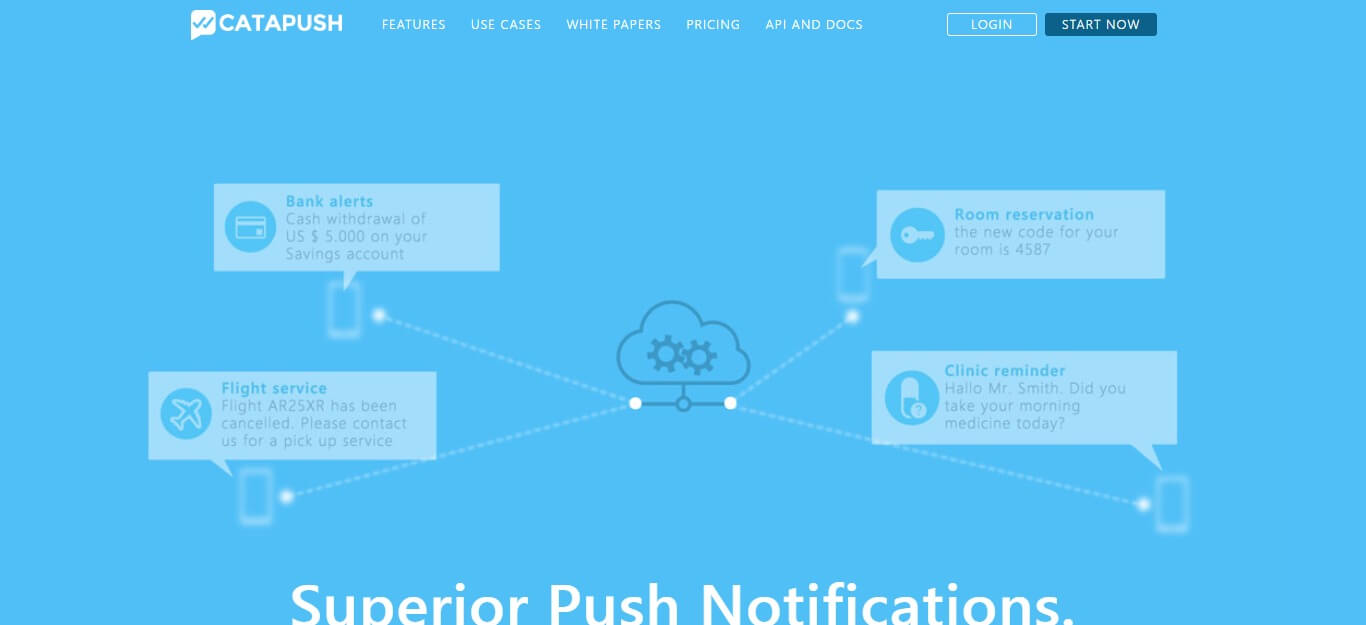
12. CataPush

catapush

CataPush offers both free as well as paid push notification services to its customers. It is known for its simple delivery API, which is ideal for sending transactional and data-driven push notifications to your customers based on their activity on your website or mobile app. Unlike many push notification tools, CataPush offers 2-way communication facility to your customers where your customers can interact with you via push notifications. It is a great way to collect feedback from your customers on your service.

13. Kahuna

kahuna

Kahuna is a fantastic tool for cross-platform marketing. It offers excellent ways for enterprises to understand their customers through its ability in marketing, analyzing, and reporting. It also allows you to segment customers based on several parameters. You can handle up to eight push notification campaigns using Kahuna. It has features such as ghost push to measure the number of uninstalls, smart delivery time, built-in analytics, person-centric data layer, automatic selection of best push notifications, and more.

14. PushAlert

pushalert

PushAlert is a dedicated WordPress plugin. It’s a bit more advanced tool to send push notifications to mobiles and desktop apps. It offers both paid as well as free services to its customers. One of the coolest features it offers is the audience creator. It helps you with A/B testing and sending specific push notifications to the selected customer group.

15. Sinch

sinch

Reaching out to your customers via push messaging is super easy with Sinch. It offers 2-way communication feature which helps your customers to communicate with you directly and help you to keep track of that communication based on segments. So that you can plan your future campaigns accordingly. It has features such as long message support, multiple formats of messages, data-driven campaigns, and more.

16. QuickBlox

quickblox

QuickBlox is a feature-rich push notification tool. It offers services such as automated reception of news, updates, alerts, reminders, scores, and call-to-actions. Some of its core features are messaging tools, customized calling, and scheduling.

Verdict

All the push notification tools mentioned above offer excellent services to their customers. However, before choosing the right push notification tool, you need to decide on what devices/platforms/operating systems, your customers are available the most. Then you need to define your push notification strategy and a few target numbers as to how many customers do you want to engage per month, how many click-through-rates are you expecting on spending a certain amount in push notification tools, etc.

Once you have it all, we at Crednecys will help you choose the right push notification tools for your web and mobile application.

FAQs

1) Is Firebase push notification free?

Yes, Firebase push notification is a free service provided by Google. It enables user notifications for Android and iOS devices.

2) How do you send app notifications?

When manually sending out push notifications, you can choose to send alert all users or select iOS or Android devices. You’ll see a count of registered devices.

3) Can I send push notifications without an app?

Yes, you can. Pushover is a tool that allows you to send push notifications without actually developing your mobile app. You can send push notifications to Android, iOS, and Desktop users.

4) Can a website send push notifications?

Web push notifications can be given to your mobile phones or desktops, even when the user is not on your website. It can only be sent to users who have opted-in to receive these notifications.


On-demand Taxi Apps Address The Challenges Of Offline Cab Business

The transportation industry is getting extremely competitive across the globe due to the emergence of on-demand taxi service providers like Uber, Lyft, Hailo, etc. These market leaders have developed robust on-demand taxi apps that allow passengers to book cabs using the handy devices.

Conventional taxi businesses are not entertained by customers anymore! Most of the passengers hire cabs from on-demand taxi service providers like Uber who promise for reliable pick-up and drop services. They also provide assurance about the safety and security of the riders. Are you still running a conventional taxi business? It seems like you are not interested to increase your business bottom line.

Search out a driver’s contact number and give him a call to book a taxi that is too old-fashioned. The on-demand taxi service providers have made the cab booking simpler by connecting passengers and drivers in real-time through next-generation mobile applications.

If you really want to explore why your taxi business is not gaining a competitive edge, then don’t miss to read this blog.

Challenges Addressed by On-demand Taxi Apps

Lack of Productivity

Through an extinct taxi booking business, you cannot have a clear idea about what your drivers are up to. You cannot measure the efficiency and productivity of the drivers. So, there are chances that the business suffers from under-utilized resources. Eventually, it affects negatively on the ROI.

With the GPS integration in your on-demand taxi booking apps. You can track the location of drivers at any point in time.

Manual Processes In Place

Taxi booking via phone calls is a manual process that requires staff to maintain back-end processes. Here, you may face challenges with effective resource planning. On the other hand, adopting the latest mobile technologies, the contestants constantly move ahead to win the competition. If you ignore the importance of technology advancements, you will not survive in the race for a long time.

A taxi booking app connects customers with the driver by allowing them to make a call to the driver using the app. Thus, it helps you to save costs to set up any backend staff to manage the calls and data of the customers.

Adoption of Obsolete Taxi Booking Technique

Today, we have tech-savvy customers who don’t like to book a taxi by making calls. Secondarily, they are not sure about the kind of service you are delivering. The passenger makes a call, then you confirm the booking and there goes your cab. The entire process takes a few minutes to book a cab. Why will customers take the pain to wait till long when they can hire a taxi in a few seconds? This way you can keep losing the passengers every time.

Developing an on-demand taxi booking application, you can allow customers to book the cab in seconds that not only help you in delivering quick scan services but also maximize your revenue through maximum utilization of resources.

No Connectivity Amongst Drivers and Passengers

You may have a reliable staff of professional drivers, but if passengers are not aware of it, then what’s the benefit of offering good services. If you have not listed your on-demand taxi service on online platforms, the rider will not come to know that your drivers are available to pick up them from various locations. Here, you can miss several opportunities to win the customer’s trust.

Allow customers to experience your quality services by enabling them with feature-rich taxi app solutions. Help them in reaching their intended destination by booking the ride in a few seconds by offering safe and on-time pick-up and drop services.

Poor Customer Experience

Cab booking via phone calls eventually becomes unreliable. It contains manual processes that are very time-consuming. Passengers need an instant response in terms of booking confirmation and on-time pick-up. If you cannot match these criteria, you may lose the customers forever.

If you offer an on-demand taxi service, then your drivers can receive the customer requests in real-time and respond to those requests on an immediate basis.

Lack of Reliability

If you are not available on online platforms, customers cannot check out the reviews and ratings of your cab drivers and services. It creates discomfort in the mind of passengers if they hire your service. There are chances that the journey leads to a bad experience that hurts the reputation of your company.

In the app, customers who have taken a ride with your driver can share their experiences in the form of reviews and provide ratings to your services. It creates a trust for your services and company across the other customers.

On-demand Taxi Services Requires to Build Three Cab Booking Apps

Passenger Application

Passenger can download and install the app from Apple’s App Store and Google’s Play Store. To access the app, they have to register and sign up. Once they enter into the app, they can see drivers available at nearby locations. It requires just one touch to book a taxi.

The app also enables passengers with the interactive Google Map where they can continuously track the current location of their cab. Additionally, customers can make a payment from the app itself using a credit card. So, no need for cash exchange and tips.

Driver Application

Drivers need to register and sign up with the app. They can receive the booking requests on the go from the passengers located at nearby places. The passengers get the confirmation for pick-up within almost 40 seconds. When drivers receive pick-up requests, they can either accept or reject the requests according to their availability.

Well, the solution also allows customers to pre-schedule a ride for a particular date, time, and city. The app will send the reminder to drivers as well as passengers in advance in case of pre-booking.

Web-based Application

It’s a master admin panel that is designed for the cab business owners where they can manage drivers and their taxi fleet. App owners can view and track the drivers in real-time and manage them more efficiently. Apart from it, they can check out drivers’ rating, reviews, history, etc.

How Does On-demand Taxi Booking Application Add Value to Your Business?

  • Overhead cost-cutting
  • Streamlined and automated business operations
  • Increased driver productivity
  • Greater better revenue and profitability
  • Enhanced customer experience by offering quick on-demand taxi services

The taxi apps solutions are completely customizable as per the tailored requirements of clients. Develop custom mobile applications for both iOS and Android platforms that help you in business enlargement in the most cost-effective manner.

Verdict

Developing a robust taxi booking solution, you can easily beat the competition, attract new customers, and retain old buyers by facilitating them with WOW experience. If you are already using a taxi booking application, then share your experience and insights in the below comment box.

Frequently Asked Questions

How much does it cost to build an on-demand taxi app?

The cost of a taxi booking app relies on the number of functions and features you want to consider in the app. However, roughly a simple cab booking app with basic features costs you around $10000 -$18000 while if you want to build an app with advanced features then it can costs you more than $100000.

How long does it take to develop a taxi booking app?

The development time of a taxi app solution is based on the features you want to incorporate into the app. The more features and functionality you want to add in the app, the development time will exceed. A simple cab booking app can be developed within 6-7 months. While an app with all the advanced features takes up to 1 year.

How do taxi booking apps make money?

To monetize your taxi booking app, you can charge registration fees from drivers, you can run paid advertisements and enable customers with in-app purchases.

How do the taxi app solutions work?

The taxi booking application will be a platform that connects cab drivers with the customers. The riders can set the pickup and drop location with help of GPS system. They can see the charge and pay it online. Drivers can use the Driver App where they can see the customers’ requests for the ride. They can accept or reject the ride requests as per their availability.


Sports Apps Development: 10 Unavoidable Features to Consider

Sports connects people. It helps us to develop a “sportsman spirit.” Some people enjoy playing sports, and some people enjoy watching sports.

Since the inception of the sports industry, hardcore sports fans are worshiping it like a God. Sports apps have been a boon to sports lovers, sportspersons, and spectators.

Sports apps help these sports lovers to connect to their favorite game anytime from anywhere. Moreover, it also connects them with other like-minded sports lovers.

Sports App Market: Statistics and Facts

If you’re still not sure whether you should go with sports apps development or not, then here are a few statistics that’ll make you rethink your decision.

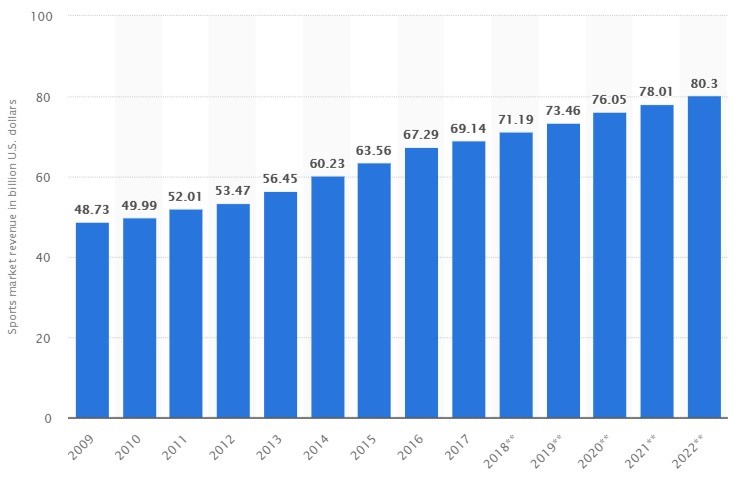
The North American sports market is booming every year with a different growth rate. According to Statista, it is expected to touch $80.3 billion in 2022.

Statista

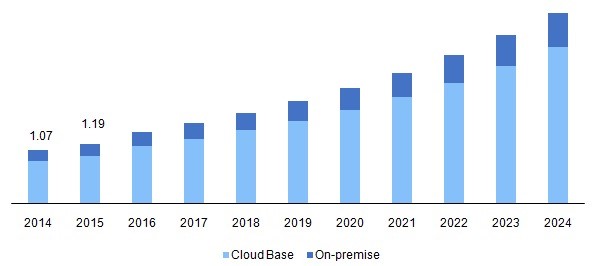
Moreover, according to Hexa Research, Sports software market is expected to reach over $10 billion by 2024. Also, it has been a growing market ever since its inception.

Hexa Research

By this time you must have figured out that if you want to expand your business in the sports industry, you require software. It can be a website or a mobile app or both.

With proper business planning, strategy, and management, you can achieve high profits with sports apps development.

Before you start building your sports app, you must be aware of the features that are mandatory to make your sports app go viral. Read further to know the features that’ll make your app withstand in the cutthroat competition.

10 Unavoidable Features to Consider for Sports Apps Development

1) User Account

This feature is very crucial for delivering a personalized user experience. The user account will enable a user to customize the app based on his/her preference and interests.

For example, a user can add his/her favorite sports team or sportsperson. Moreover, if you decide to put in-app purchases, this is the place where users could manage their payment and banking information.

2) Payment Gateway

If you’re thinking to launch a free app, then one of the ways you can earn from the app would be through in-app purchases.

And to implement in-app purchases, you need to plan your sports apps development accordingly and add a secure payment gateway to the app.

If you want, you can create your payment gateway to alleviate your brand. However, it is recommended that you use default payment gateways to avoid any anomalies in the payments.

3) Ticket Sales

A die-hard sports fan would never want to miss a game that he/she is following and it is in his/her town as well. So, now that you’ve integrated a secure payment gateway to the app, you can include a ticket booking feature without any hesitation.

You can also include the ticket price tracking facility if you don’t want to include ticket booking in your app. You can create a feature where users can compare the prices of tickets from different vendors like vividseats, seatgeek, tickpick, and more.

4) Brand Store

Sports teams often make profits by selling their branded merchandise such as T-Shirts, Jerseys, Caps, and more. So, if you are a sports team owner and you wish to build an app to promote your team, then you should think of creating an in-app store.

Even though you don’t own a sports team, you can always partner with other sports teams to sell their merchandise on your platform. You can do partnership on multiple terms and conditions.

For example, either you can partner based on profit sharing, or you can simply ask for some extra transactional amount.

5) Offline Mode

Although the app has a majority of online features, you must keep a few features that are even accessible offline. It will increase the convenience of the users.

6) Social Media Integration

In the age of social media, if you want to create an impact and increase engagement, you must integrate social media platforms while doing sports apps development.

This feature will help users to put their viewpoints about their favorite sports team or person on various social media platforms. For example, if you integrate Twitter into the app, a user can directly send tweets or retweet one of the news using the app itself.

Moreover, integrating social media will also help you on-board your users faster. Now, instead of filling login forms, a user can log in through a single click.

7) Sports Person/Sports Team Catalog

It is one of the most crucial features of the app. Since you’re building an app for sports fans, you don’t want your users to miss any new updates from their favorite sports person.

8) News Feed

News Feed is a great way to engage users. A true sports fan would never miss the news. If you want to increase your engagement further, then you can also send push notifications whenever any interesting news is uploaded.

Apart from the news, you can also share the scoreboard of the matches and games that interests users. If you’re planning to develop an app for specific teams, then including a match-day center is a good idea.

For users who like to follow tournaments, you must include an information hub , while planning for sports apps development that would contain all the necessary information such as score, highlights, and more.

9) Calendar

Integrating popular calendar apps like Google’s or Apple’s can help users to notify about upcoming matches or tournaments. It will help them to plan their free time and book tickets accordingly.

10) Live Streaming

Now that you’ve included all the necessary features starting from sports news to book tickets, providing a live streaming feature in the app will be the icing on the cake.

Moreover, you can allow users to record and watch the game offline. Including this feature will make this app the one-stop destination for everything related to sports.

Conclusion

Sports applications are changing the sports industry from inside out. If you want to know more about how much time does it take to build an app like Cricbuzz, or how much does it cost to build an app like Onefootball or ESPN, then contact our sports apps development experts.

General FAQs for Sports Apps Development

1) What is the importance of a sports app?

Sports apps help sports fans to catch up with the world of sports, which includes, live streaming of an app, covering the day-to-day lives of sportspersons, forum/community, and more.

2) What are the best free sports apps?

Some of the best free sports apps on Playstore and Appstore are YipTV, Uktvnow, La Liga TV, FlashScore, CBS Sports, LiveScore, SuperSport, ESPN, and more.

3) What is the best streaming service for sports?

Some fantastic apps to stream sports live Hulu, fuboTV, ESPN+, Sony PlayStation Vue, Amazon Prime Video, CBS All Access, Sling TV, YouTube TV, and more.

4) What are the different types of sports apps?

There are mainly two types of sports apps: aggregated apps and dedicated apps. ESPN, TheScore, THUUZ, and CBS Sports are the example of aggregated apps, whereas, FC Barcelona and Manchester United are examples of dedicated apps.


How to Build Video Streaming App Like Netflix? [A Complete Guide]

In a world where the “on-demand economy” is taking over, the traditional televisions are dying. Video streaming apps are taking the place of TVs that we used to watch as a child.

Starting from its inception in the 1920s to the late 2000s, traditional cable TV has been one of the primary sources of entertainment of people.

However, today, that has been replaced by on-demand video streaming apps like Netflix, Hulu, Amazon Prime Video, HBO Now, Apple TV, Twitch, and more.

According to Fast Company, the cable service providers faced its biggest loss in terms of the number of subscribers, loosing around 762,000 subscribers.

Hence, the rise of video streaming apps is evidential. Many factors affected the fall of cable TV.

Why do people love video streaming apps? (Benefits of a video streaming app)

A video streaming app like Hulu and HBO Now offers a handful of benefits because of which people love them.

Easy to Multitask: Video streaming apps allow users to finish other essential tasks in the background while watching their favorite Movies or TV Shows.

Entertainment on-the-go: Since almost 2/3rd of the world has access to the Internet, users can get entertained at any time and from anywhere, on-the-go.

Multiple video quality: While streaming a video, users get multiple resolution options to choose from. They can select the appropriate resolution based on their device.

Fantastic user experience: Video streaming apps provide seamless user experience to its users because of its user interface. The UI is so simple that anyone starting from a 5-year-old to a 75-year-old can use it.

Subscription: One of the best features of video streaming apps is that you can subscribe to your favorite genre, actor, director, etc. and it will show you the content based on that.

In-app downloads: Almost every video streaming app offers the facility to download your favorite shows, which allows you to enjoy them offline.

Compatability with casting devices: A majority of these apps are compatible with most of the famous casting devices such as Google’s Chrome Cast, Amazon FireTV Stick, etc. It allows you to view the movies and TV shows from your smartphones to TV. The good part is that you can do other work on your smartphone while it is casting.

Live video sharing: In traditional cable TV, governments have the right to stop the on-going show and broadcast his/her message in case of an emergency. Now, using video streaming apps, they can do a live broadcast whenever they wish.

How to Make a Video Streaming App? (Essential Features)

Although every video streaming app is more or less similar, they have some features different than one another.

The reason for this change is that they are at different stages of their success and customer acceptance. You can include more features and charge more for it once your brand is built.

User Registration

It is one of the first and one of the most crucial features to consider while developing video streaming apps. You can allow users to register via email and social networking channels.

Design

Simple design and easy-to-use interface is the key to win your customers. Users don’t like complicated user interfaces. If you don’t provide a great user experience, it is less likely that a user will ever return.

Therefore if you’re planning to build an app like Netflix, make sure to keep the user interface as simple and straightforward as possible.

Platform

While creating the MVP, it is recommended that you choose either of the two platforms, i.e., Android and iOS. It will help you to reduce the initial cost of development.

However, if you wish to cover more user base and you have the budget for the same, then you can go ahead for creating an app for both the platforms.

Payment Gateway

Similar to other video streaming apps, you must be planning to offer full or partial content for a price. For that, you’ll need to integrate payment gateway into your app. You can also put Google Pay and Apple Pay as alternative payment options in the respective native apps.

User Profile

If you’re developing an app like Netflix, this is a must-have feature. This section allows users to add “much-liked” videos here and share it with other users.

Block Screenshots

The app should have a functionality that prevents a user from taking screenshots or recording screen. Your content is precious, and you must protect it from piracy.

Comments and Chat

This feature is currently available in limited video streaming apps. However, this feature can bring significant value to your app. Allow your users to communicate with one another via integrated chat, which also allows them to create groups. You can also add a comments section to increase engagement.

Push Notifications

Push notifications is a must-have feature in your video streaming app as it allows users to get notified whenever you release new content.

Multi-lingual Support

If you’re looking forward to building an app like Netflix, you must think of offering your content in more than one language. It will bring a fantastic impact on non-native users.

Search

Users should be able to search the content directly using the search bar/button. You can also provide various search filters like genre, language, ratings, etc.

Settings

Users should be able to select subtitles, play/pause the video, change audio tracks, rewind, fast forward, control volume, and more via settings pane.

Monetization

joker-quotes

You don’t want to create an app for nothing, do you? Since you’re spending so much time and money in building a video streaming app, it should drive revenue.

Subscription

The first thing that you should do to attract new users is to give them an optional free trial. Once they get an idea about what kind of content you produce, they’ll decide whether they want to pay for your service or not.

For the ones who opt for paying the price, you should give them a flexible subscription system, i.e., monthly or yearly.

Advertisement

You can sell ad-spaces to potential advertisers once your app goes viral. You must only apply this tactic if you wish to provide your content free for the lifetime.

If you apply this tactic, make sure that the ads you show are relevant to your business domain and adds value to your users. Later you can offer a premium subscription for add-free entertainment at a specific price.

Paid Access to Archived Content

If your app has a live broadcasting feature, then you can offer free live broadcasting to users and then ask for a price for the archived content. You can also ask for a premium price if a user wants to save/record the live content.

Third-Party Content Creators

You can ask third-party content creators to publish video content on your platform at a fix or variable cost. You can also set pricing models on a monthly, quarterly, or yearly basis to post content on your platform.

Conclusion

Once you have all your requirements clear for developing a video streaming app, you must contact a mobile app development company and discuss your requirements.

At Credencys, we’ll help you to identify and solve the critical pain points of building a video streaming app with our Discovery Workshop program.

FAQs

1) What is the best video streaming app?

Some of the leading online video streaming apps in 2019 are Netflix, Hulu, Amazon Prime, Twitch, Crunchyroll, YouTube, HBO Now, etc.

2) How much does it cost to develop an app like Netflix?

Roughly it takes around $30,000 to $40,000 to develop a video streaming app. However, the exact cost depends upon the features you want to include in the app.

3) How do I start the streaming business?

  • Follow the right strategy to build an app like Netflix
  • Create your business model
  • Use appropriate technology stack
  • Build the initial skeleton by adding MVP features
  • Consider a few key requirements
  • Keep up with all the necessary hints to make your service successful

4) How viable is it to develop a free video streaming app?

There are plenty of free video streaming apps on the App Store and Play Store. All of them earn money via ads or through premium subscriptions.